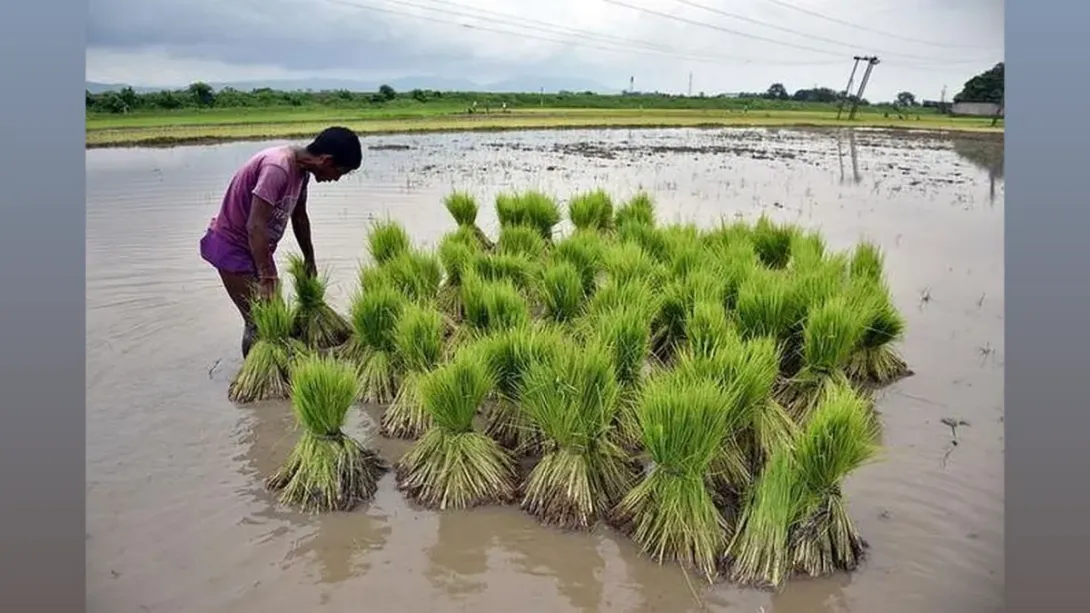
Punjab Chief Minister has assured farmers of a smooth and timely paddy procurement process, aimed at supporting agricultural incomes and maintaining market stability. With this year’s bumper harvest, authorities have streamlined procurement logistics, ensuring that farmers receive fair prices under the Minimum Support Price (MSP) framework. The government has deployed additional manpower, digital tracking systems, and storage infrastructure to prevent delays and reduce wastage. Analysts note that efficient procurement not only safeguards farmers’ earnings but also stabilizes rice supply chains nationally. The initiative reflects Punjab’s commitment to farmer welfare, food security, and agricultural efficiency.
Procurement Framework and Logistics
The Punjab government has strengthened procurement operations at mandis across the state, prioritizing high-yield districts and peak harvesting periods. Digital platforms allow farmers to track deliveries, payments, and stock availability in real time.
Authorities have also ensured:
- Adequate storage and warehousing capacity
- Sufficient labor and machinery for unloading and processing
- Streamlined payment disbursal to minimize delays
This proactive approach seeks to reduce bottlenecks, prevent post-harvest losses, and guarantee timely compensation to cultivators.
Support for Farmers and MSP Enforcement
Punjab’s administration emphasizes strict adherence to MSP rates, protecting farmers from market volatility. The Chief Minister reiterated that no farmer would be compelled to sell below MSP, signaling the government’s commitment to income security.
Experts highlight that consistent MSP enforcement encourages cultivation of staple crops like paddy, ensuring food security while sustaining rural livelihoods.
Technological Integration and Efficiency
Digital solutions, including mobile apps and online reporting systems, are being leveraged to monitor procurement volumes, payments, and quality control. Analysts note that technology integration minimizes errors, enhances transparency, and fosters trust between farmers and government agencies.
This modernization is expected to optimize supply chains, reduce administrative inefficiencies, and improve overall procurement outcomes.
Economic and Social Implications
Efficient paddy procurement ensures stable rice availability for domestic and export markets, supporting India’s strategic food reserves. For farmers, timely payments and fair pricing boost household incomes and reduce financial stress.
Agricultural economists emphasize that smooth procurement cycles are critical to sustaining rural economies, preventing distress sales, and maintaining confidence in state-led support mechanisms.
Conclusion: A Model of Agricultural Governance
Punjab’s emphasis on smooth, timely, and technologically supported paddy procurement reflects a broader commitment to farmer welfare and food security. By combining infrastructure readiness, digital monitoring, and strict MSP enforcement, the state demonstrates a model for efficient agricultural governance.
The initiative ensures that farmers reap the benefits of a record harvest while strengthening the reliability and resilience of India’s rice supply chain.
Comments