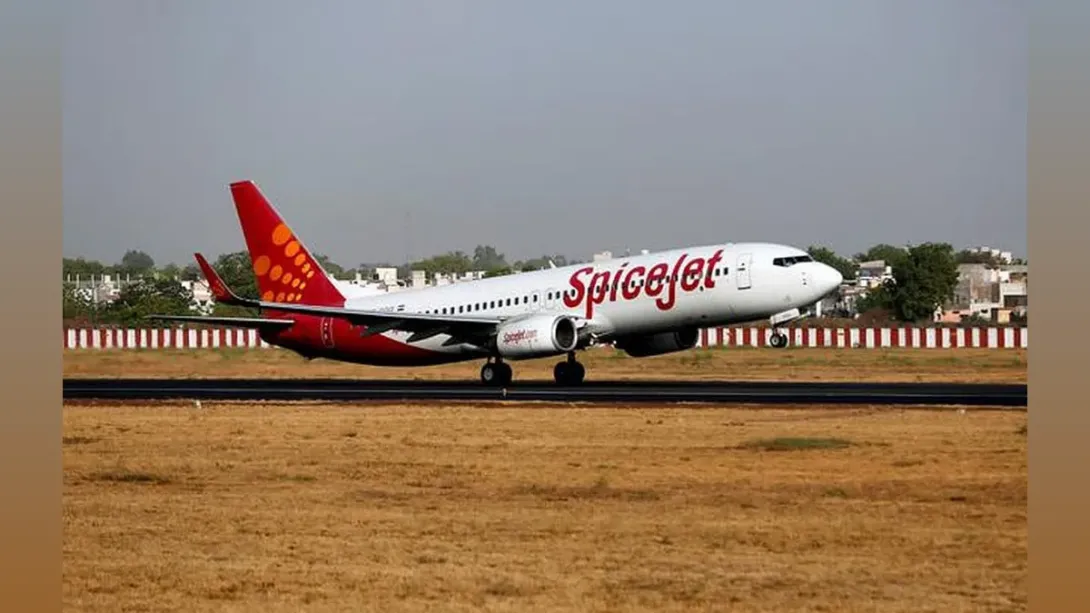
In a strategic bid to boost operational efficiency and expand its network, SpiceJet has finalized a lease agreement for five Boeing 737 aircraft. The move comes as the low-cost carrier seeks to regain market share, reduce operational disruptions, and address capacity shortfalls amid a gradually recovering aviation sector. With domestic and international air travel demand stabilizing, the additional aircraft are expected to enhance route reliability, improve on-time performance, and increase flight frequency across key sectors. This expansion signals the airline’s intent to restore stability, regain passenger trust, and position itself more competitively in India’s volatile aviation market.
Fleet Augmentation as a Turnaround Strategy
SpiceJet’s decision to induct five Boeing 737 aircraft marks a pivotal step in the airline’s efforts to stabilize operations after a challenging period marked by regulatory scrutiny, flight cancellations, and financial headwinds. These narrow-body jets, known for their fuel efficiency and short-haul versatility, will be deployed primarily on domestic routes with high passenger loads and select international corridors.
Industry experts see this fleet expansion as part of a broader recalibration strategy aimed at enhancing capacity utilization, curbing flight delays, and offering greater schedule consistency—areas where the airline has faced criticism in recent quarters.
Meeting Rising Demand and Network Expansion
With aviation demand in India showing signs of sustained recovery, driven by rising passenger confidence and festive season travel, the timing of this lease is both pragmatic and strategic. By increasing aircraft availability, SpiceJet aims to tap into underserved or high-density routes while also reducing turnaround times and avoiding last-minute cancellations that have impacted customer satisfaction.
The additional Boeing 737s will also help the airline expand point-to-point connectivity, particularly in Tier-II and Tier-III cities, aligning with government initiatives to improve regional air access under the UDAN scheme.
Competitive Pressures and Operational Efficiency
India’s aviation sector has witnessed aggressive competition from both legacy carriers and newer entrants, making fleet availability a crucial determinant of market relevance. By augmenting its fleet, SpiceJet strengthens its capacity to respond to competitive pressures from rivals such as IndiGo and Air India, both of which are investing heavily in fleet modernization and service expansion.
The leased 737s are expected to bring down per-seat operating costs through improved fuel economy and optimized crew scheduling. Operational resilience is particularly critical as the airline navigates fuel price volatility and an unpredictable global macroeconomic environment.
Financial Considerations and Leasing Strategy
Given the capital-intensive nature of aviation, leasing offers SpiceJet a financially viable route to fleet expansion without the burden of outright aircraft purchases. The decision reflects a pragmatic capital allocation strategy, allowing the airline to scale its fleet flexibly while preserving liquidity.
Leasing also provides the carrier room to evaluate long-term fleet composition needs without committing to a large order backlog, thereby keeping debt levels manageable. The terms of the lease, though undisclosed, are expected to include maintenance and operational support, reducing strain on the airline’s internal resources.
Navigating Regulatory and Infrastructure Challenges
While the new additions are a welcome boost, their integration into daily operations will require careful coordination with regulators and airport authorities. Airspace congestion, limited airport slots at metro hubs, and staffing challenges in air traffic control could present initial hurdles to optimal deployment.
Moreover, regulatory compliance and safety performance remain under close watch. The Directorate General of Civil Aviation (DGCA) has previously flagged inconsistencies in the airline’s performance, and any expansion will likely be scrutinized for its adherence to aviation safety standards and passenger service obligations.
Outlook: A Step Toward Resilience
The lease of five Boeing 737 aircraft signals a cautiously optimistic phase for SpiceJet, reflecting its attempt to pivot from crisis management to proactive market engagement. While challenges persist—from financial restructuring to regulatory compliance—the move reflects a strategic mindset focused on long-term viability.
If executed efficiently, this expansion could serve as a stepping stone in restoring investor confidence, enhancing brand reputation, and reestablishing the airline’s footprint in a highly dynamic aviation landscape. The success of this strategy, however, will depend on disciplined execution, sustained demand, and prudent cost control in a sector known for thin margins and high volatility.
Comments