Garuda Aerospace has inaugurated a landmark Agri-Drone Indigenisation facility in Thalambur, near Chennai, marking a major stride in India’s push for technological self-reliance under the 'Atmanirbhar Bharat' initiative. The 35,000-square-foot unit will manufacture key drone subsystems and components, strengthening the country's domestic UAV production capabilities. The facility’s launch was complemented by the unveiling of 300 Centres of Excellence across India and a nationwide Train-the-Trainer program aimed at nurturing drone expertise. These developments position Garuda Aerospace as a leading force in the Indian drone sector, with ambitions to scale innovation and expand its global presence.
Advancing Domestic Drone Manufacturing
Garuda Aerospace has launched its latest manufacturing milestone—a state-of-the-art Agri-Drone Indigenisation facility near Chennai—geared toward bolstering India’s unmanned aerial vehicle (UAV) ecosystem. Strategically located in Thalambur, the 35,000-square-foot facility is designed to produce 33 vital drone components and 7 core subsystems, representing a significant leap forward for domestic drone manufacturing.
The facility was inaugurated by Union Minister of State for Rural Development Kamlesh Paswan, underscoring the Centre’s endorsement of advanced drone innovation as part of its broader 'Atmanirbhar Bharat' (self-reliant India) campaign. This initiative is not only expected to reduce dependency on imports but also to establish India as a global hub for drone manufacturing.
Building Capacity: Training and Innovation Infrastructure
In conjunction with the launch, Garuda Aerospace announced the establishment of 300 Centres of Excellence across the country. Developed in collaboration with academic institutions and industry stakeholders, these centres aim to catalyze research, skill development, and applied innovation in drone technology.
Further strengthening the ecosystem, the company introduced a Train-the-Trainer program intended to upskill professionals and educators in drone operations. This educational initiative is critical to cultivating a skilled workforce capable of supporting the rising demand for UAVs in sectors like agriculture, logistics, disaster management, and surveillance.
Strategic Vision for Atmanirbhar Bharat
Speaking on the occasion, Agnishwar Jayaprakash, Founder and CEO of Garuda Aerospace, emphasized the company’s dedication to self-reliance. “Our new facility is equipped to manufacture over 33 critical parts and 7 subsystems. This is a defining step in reinforcing our commitment to Atmanirbhar Bharat and positioning India as a key player in drone technology,” he noted.
The company's emphasis on localization not only aligns with national policy objectives but also reduces exposure to international supply chain volatility, ensuring more cost-effective and timely production cycles.
Demonstration of Technological Capability
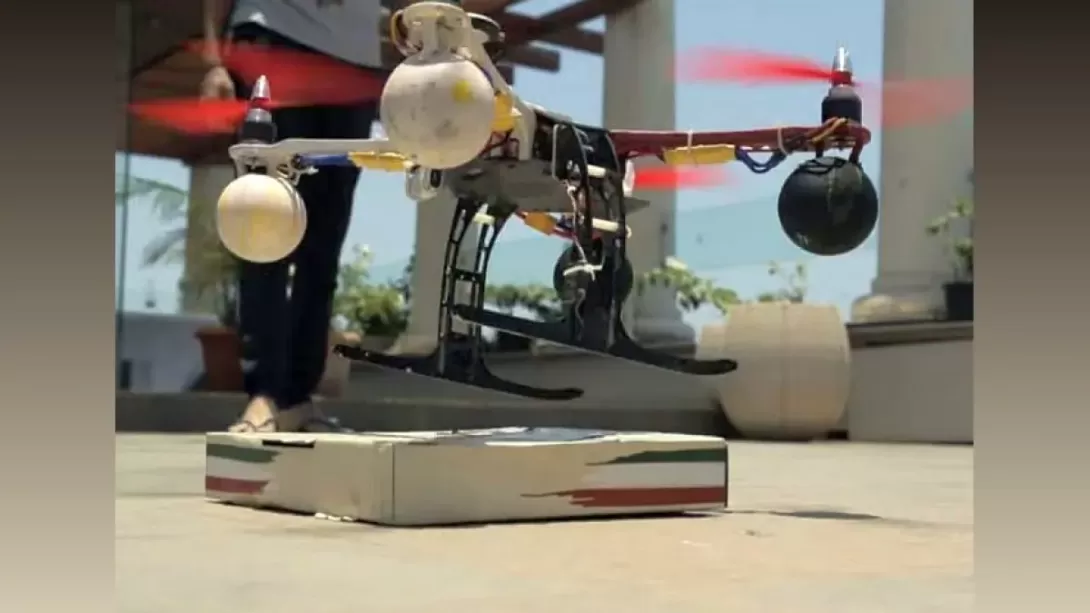
The inauguration was marked by a live demonstration of Garuda’s Agri-Drones, showcasing their precision capabilities and applications in modern agriculture. These drones are designed to optimize crop spraying, monitoring, and yield assessments—functions that could revolutionize traditional farming practices, especially in rural India.
The demonstration served as a tangible example of how indigenous technology can transform sectors by increasing efficiency, reducing operational costs, and minimizing environmental impact.
Market Position and Global Outlook
Garuda Aerospace is rapidly emerging as one of India’s most valuable drone startups, thanks to its innovation-driven approach and scalable manufacturing model. With global interest in drones surging, the company is well-positioned to tap into international markets, exporting both hardware and training expertise.
Its growing global footprint, backed by government support and strategic investments in R&D, signals Garuda’s aspiration to be not just a national leader, but a globally recognized player in drone technology.
Conclusion: A Flight Toward Technological Sovereignty
Garuda Aerospace’s indigenisation initiative is more than a manufacturing milestone—it is a blueprint for how India can lead the next wave of industrial transformation through high-tech, homegrown innovation. By pairing infrastructure development with skill-building and strategic vision, the company is contributing decisively to India’s goal of technological sovereignty while preparing to take flight on the global stage.
Comments