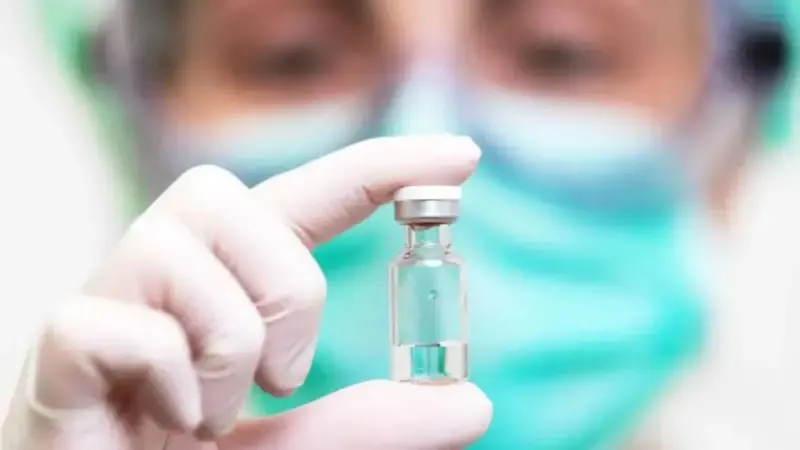
In a landmark achievement for global public health, the Maldives has become the first nation to secure the ‘triple elimination’ of mother-to-child transmission of HIV, syphilis, and hepatitis B. This milestone underscores the country’s sustained commitment to maternal and child health, comprehensive prenatal screening, and robust vaccination and treatment programs. By effectively integrating healthcare services, the Maldives demonstrates that even small nations can achieve world-class health outcomes. This accomplishment not only reflects exceptional governmental planning and international collaboration but also sets a precedent for other countries striving to eliminate preventable diseases and improve maternal and neonatal well-being.
Maldives Sets a Global Health Benchmark
The Maldives’ recent recognition for triple elimination marks a historic moment in the fight against infectious diseases. By eradicating the risk of mother-to-child transmission of HIV, syphilis, and hepatitis B, the island nation has positioned itself as a model for public health initiatives worldwide. This achievement highlights the effectiveness of comprehensive prenatal care, early detection programs, and consistent treatment protocols, proving that coordinated healthcare strategies can deliver tangible results in disease prevention.
Integrated Maternal and Child Health Strategies
Central to this success is the Maldives’ integrated approach to maternal and child health. Expectant mothers receive routine screenings for HIV, syphilis, and hepatitis B, alongside access to targeted interventions such as antiretroviral therapy and vaccinations. Health authorities have prioritized early identification and treatment of infections, ensuring that transmission to newborns is minimized. These efforts reflect not only meticulous planning but also the ability to mobilize resources efficiently across all islands.
Vaccination and Preventive Care at the Forefront
Vaccination programs have played a pivotal role in the Maldives’ success. Hepatitis B immunization, administered promptly after birth, forms a cornerstone of the prevention strategy. Complemented by public health education campaigns, these measures ensure that mothers and families understand the importance of prenatal care, early testing, and follow-up treatment. This proactive framework has elevated the Maldives to international recognition in maternal and neonatal health.
Implications for Global Public Health
The Maldives’ achievement carries significant implications for other nations, particularly those with similar population sizes or resource constraints. It demonstrates that sustained political commitment, evidence-based healthcare policies, and community engagement can collectively achieve elimination targets previously thought challenging. Furthermore, it provides a blueprint for scaling up interventions, improving maternal and child outcomes, and reducing the global burden of preventable infections.
Looking Ahead
While the triple elimination milestone is a remarkable feat, maintaining these gains will require continuous vigilance. Ongoing monitoring, healthcare workforce training, and robust supply chains for medications and vaccines will be critical. Nevertheless, the Maldives has set a high standard, proving that strategic investment in healthcare can produce world-leading results and inspire nations across the globe to aim for similar achievements.
Comments