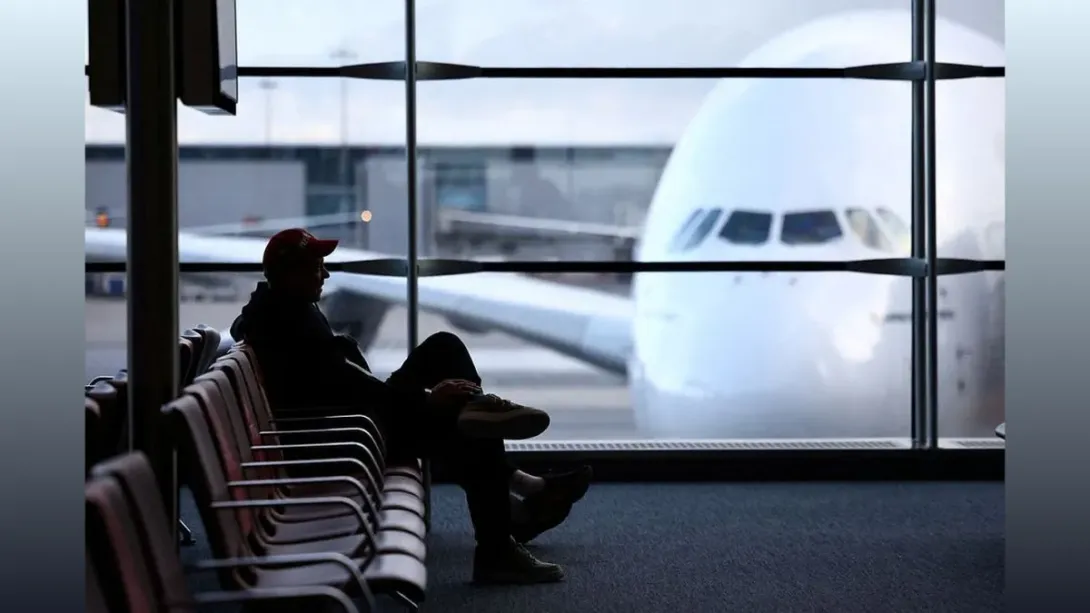
An IndiGo flight scheduled to depart from Indore to Bhubaneswar with 140 passengers onboard was delayed by over an hour on Monday morning due to a minor technical issue detected just before takeoff. The flight, designated 6E 6332, was preparing for departure when the pilots identified the issue and returned the aircraft to the apron. Engineers promptly addressed the glitch, allowing the plane to resume operations and take off at 10:16 a.m., nearly an hour past its scheduled departure. Passengers remained onboard during the inspection and repair, and the flight continued safely to its destination.
Technical Snag Identified During Taxiing
The incident occurred at Indore’s Devi Ahilyabai Holkar Airport, where flight 6E 6332 was scheduled to depart at 9:00 a.m. While taxiing toward the runway, the flight crew observed what was described as a "minor technical snag." Airport Director Vipin Kant Seth confirmed that the pilots made the decision to return the aircraft to the apron area—a designated space where aircraft are parked, refueled, and serviced—to ensure proper inspection and maintenance.
Swift Response and Ground Repair
Upon return to the apron, maintenance engineers examined and rectified the fault. Though the specific nature of the issue was not disclosed, officials characterized it as non-critical and minor in scope. During the repair process, passengers were not required to disembark, minimizing disruption and facilitating a quicker resolution.
The flight eventually departed for Bhubaneswar at 10:16 a.m., with no further complications reported.
Safety Protocols and Airline Response
Airports and airlines follow stringent safety protocols when dealing with mid-preparation technical anomalies. IndiGo’s adherence to procedure—promptly halting the flight and ensuring thorough technical checks—demonstrates a standard industry approach prioritizing passenger safety over schedule adherence.
Such minor snags, while inconvenient, are not uncommon in aviation and are typically resolved on the ground by airline maintenance teams. Ensuring safe travel remains paramount, and the delay reflects the airline’s commitment to due diligence.
Conclusion: A Reminder of Safety-First Aviation Standards
The incident serves as a reminder of the complex nature of modern air travel and the critical importance of safety checks before takeoff. While passengers experienced a brief delay, the prompt response by the flight crew and ground engineers ensured a secure journey. In an industry where precision is paramount, even minor glitches are treated with seriousness, reinforcing passenger confidence in the system’s reliability.
Comments