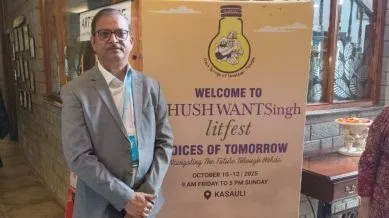
Sociologist Santosh K Singh has emphasized that the proliferation of Deras in Punjab should be understood as a manifestation of Dalit communities’ pursuit of dignity, identity, and social empowerment, rather than as a societal crisis. Deras—religious and social congregations—serve as platforms for marginalized groups to assert cultural identity, foster social cohesion, and negotiate political influence. Singh’s analysis underscores the complex interplay between religion, caste, and politics in Punjab, highlighting how these institutions provide both spiritual guidance and avenues for socio-economic upliftment. Understanding their significance is critical for policymakers, social scientists, and civil society actors navigating the dynamics of caste and community empowerment.
---
Deras as Platforms for Dalit Empowerment
Deras in Punjab are primarily led by spiritual leaders who offer guidance, education, and support to Dalit communities. Far from being mere religious congregations, they serve as spaces where marginalized groups can assert social identity and gain a sense of dignity.
These institutions often provide vocational training, community welfare programs, and educational initiatives, bridging gaps left by traditional social structures. Singh notes that Deras are crucial in enabling Dalits to challenge historical hierarchies and assert their presence in public life.
---
Socio-Political Dimensions
Deras also play an important role in local and regional politics. They mobilize communities, influence voting patterns, and act as advocacy platforms for marginalized groups. Singh highlights that recognizing this political dimension is essential to understand the broader societal impact of Deras, particularly in regions with significant caste-based disparities.
Rather than a crisis, Deras reflect an ongoing negotiation of identity, power, and rights within Punjab’s socio-political landscape, underscoring the agency of Dalit communities in shaping their future.
---
Cultural and Spiritual Significance
Beyond political and social functions, Deras provide spiritual guidance, social cohesion, and a sense of belonging. They create communal spaces where marginalized populations can celebrate cultural practices, participate in collective rituals, and foster solidarity.
These spiritual and cultural functions contribute to emotional resilience, community identity, and intergenerational continuity of traditions, reinforcing Deras as critical institutions in Dalit social life.
---
Policy and Social Implications
Understanding Deras as expressions of Dalit dignity rather than as societal disruptions has important implications for policymakers and civil society. Initiatives aimed at community development, education, and social equity can benefit from engagement with these institutions, which already serve as trusted intermediaries in marginalized communities.
Singh’s analysis suggests that supporting Deras in their social and developmental roles can enhance empowerment, reduce social exclusion, and strengthen inclusive governance models in Punjab.
---
Conclusion: Reframing the Narrative
The discourse surrounding Deras should shift from crisis-driven narratives to recognition of their role in Dalit empowerment. By acknowledging the cultural, social, and political significance of these institutions, society can better appreciate their contribution to dignity, cohesion, and social transformation.
Santosh K Singh’s perspective underscores the importance of nuanced understanding in addressing caste-based inequalities and highlights Deras as vital instruments in the ongoing quest for social justice in Punjab.
Comments