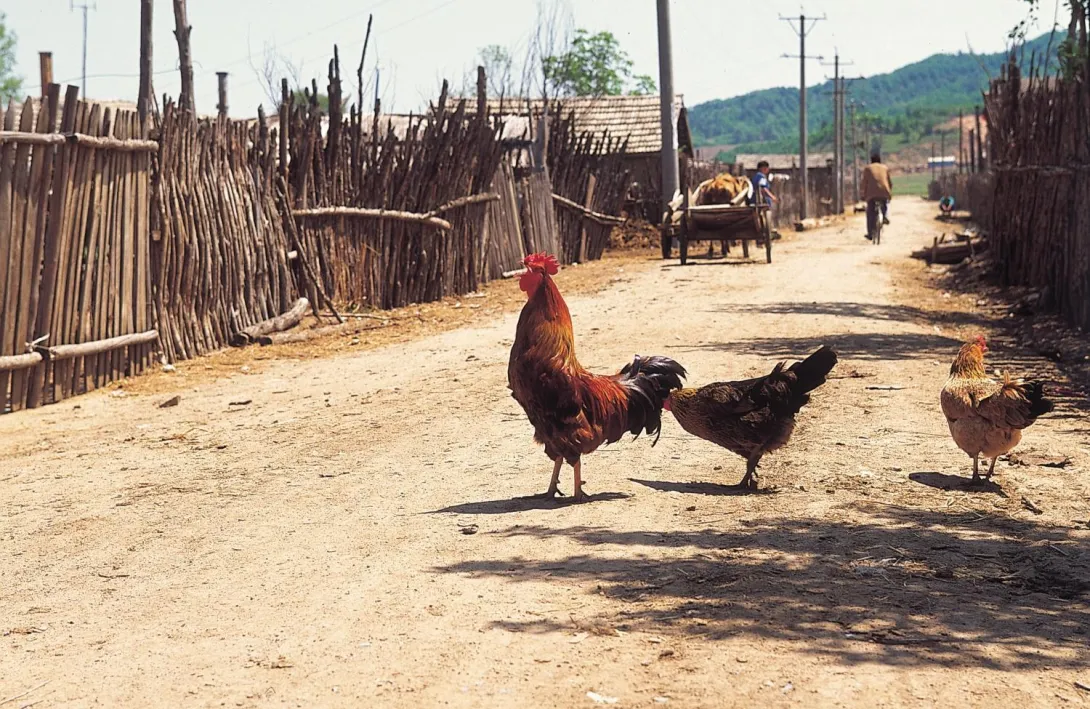
Cambodia is grappling with a significant resurgence of human H5N1 avian influenza cases, reporting 16 infections in 2025, including six fatalities. The majority of these cases involve children under 18, with exposure to sick or deceased poultry being the common link. Genetic analyses indicate that the virus strains belong to clade 2.3.2.1e, which has been circulating in the region for years. Despite the alarming rise in cases, the World Health Organization assesses the risk to the general population as low, as no human-to-human transmission has been reported.
Surge in Human H5N1 Cases
In 2025, Cambodia reported 16 human infections of H5N1 avian influenza, with six resulting in death. This uptick follows a concerning trend from 2024, which saw 14 cases and eight deaths. The majority of the 2025 cases involved children, highlighting a potential vulnerability in younger populations. All confirmed cases had direct or indirect exposure to sick or deceased poultry, underscoring the critical role of poultry handling in transmission.
Genetic Characteristics of the Virus
The H5N1 strains identified in these human cases belong to clade 2.3.2.1e, a lineage that has been endemic in Southeast Asia for several years. Genetic sequencing of the virus samples indicates a reassortant nature, incorporating internal genes from clade 2.3.4.4b, a globally circulating strain. This genetic shift may influence the virus's transmissibility and virulence, warranting close monitoring by health authorities.
Implications for Public Health
The resurgence of H5N1 infections in Cambodia underscores the importance of stringent biosecurity measures and public health surveillance. While the World Health Organization currently assesses the risk to the general population as low, the situation remains fluid, and ongoing vigilance is essential. Health authorities continue to monitor the situation closely, providing updates as new information becomes available.
Comments