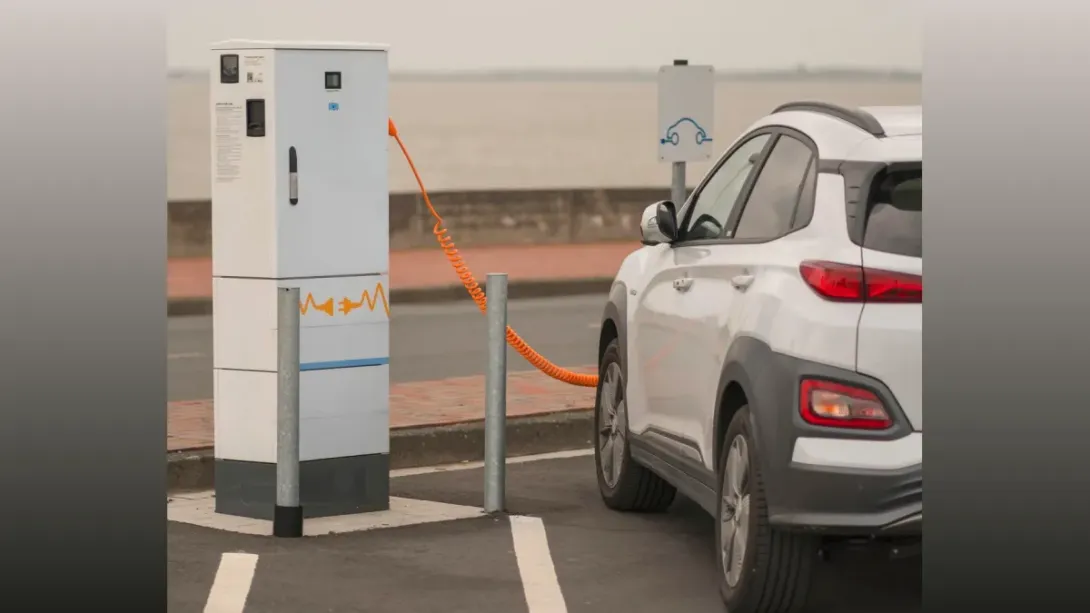
Volvo Cars has inaugurated a state-of-the-art ultra-fast electric vehicle (EV) charging station, marking a significant milestone in India’s sustainable mobility landscape. The facility is designed to reduce charging time substantially, enhancing convenience for EV owners and promoting wider adoption of electric mobility. Analysts highlight that such infrastructure investments are critical to addressing range anxiety, supporting government EV policies, and fostering confidence in the transition to clean transportation. Volvo’s initiative also signals automakers’ increasing commitment to ecosystem development, pairing vehicle sales with accessible, efficient charging solutions to drive growth in India’s burgeoning EV market.
Advancing EV Infrastructure
Volvo’s ultra-fast charging station is engineered to deliver high-capacity power, enabling EVs to recharge significantly faster than conventional chargers. This development addresses a key barrier to EV adoption—charging convenience—and encourages more consumers to consider electric alternatives.
The facility demonstrates Volvo’s proactive role in building a robust EV ecosystem, ensuring that vehicle technology advancements are matched by accessible infrastructure.
Strategic Implications for EV Adoption
Experts note that investments in ultra-fast charging stations can accelerate consumer confidence and adoption rates. Faster, reliable charging reduces downtime, supports long-distance travel, and positions EVs as viable alternatives to internal combustion engine vehicles in urban and intercity contexts.
By establishing cutting-edge infrastructure, Volvo aligns with India’s National Electric Mobility Mission objectives and promotes public-private collaboration in sustainable transportation.
Economic and Environmental Benefits
Expanding EV charging infrastructure has broader economic and environmental implications. Efficient charging networks can stimulate local employment, attract technology investments, and enhance the commercial viability of EV fleets.
Environmentally, wider adoption of electric vehicles supported by ultra-fast charging reduces carbon emissions, lowers urban pollution, and contributes to India’s climate action commitments under global accords.
Industry Significance
Volvo’s initiative sets a benchmark for automakers integrating vehicle sales with supporting infrastructure. Analysts suggest that the move reflects an emerging trend in the automotive industry—where manufacturers are increasingly responsible for facilitating end-to-end customer experiences, from vehicle purchase to charging solutions.
This holistic approach not only strengthens brand loyalty but also accelerates market transformation toward sustainable mobility.
Outlook: Building a Sustainable EV Ecosystem
The inauguration of the ultra-fast charging station represents a tangible step in India’s transition toward electrified transportation. By combining advanced EV technology with accessible charging infrastructure, Volvo is helping to overcome adoption barriers and create a seamless user experience.
As more automakers and private enterprises invest in similar initiatives, India’s EV market is poised for accelerated growth, reducing dependency on fossil fuels and supporting the country’s sustainability and energy security objectives.
Comments