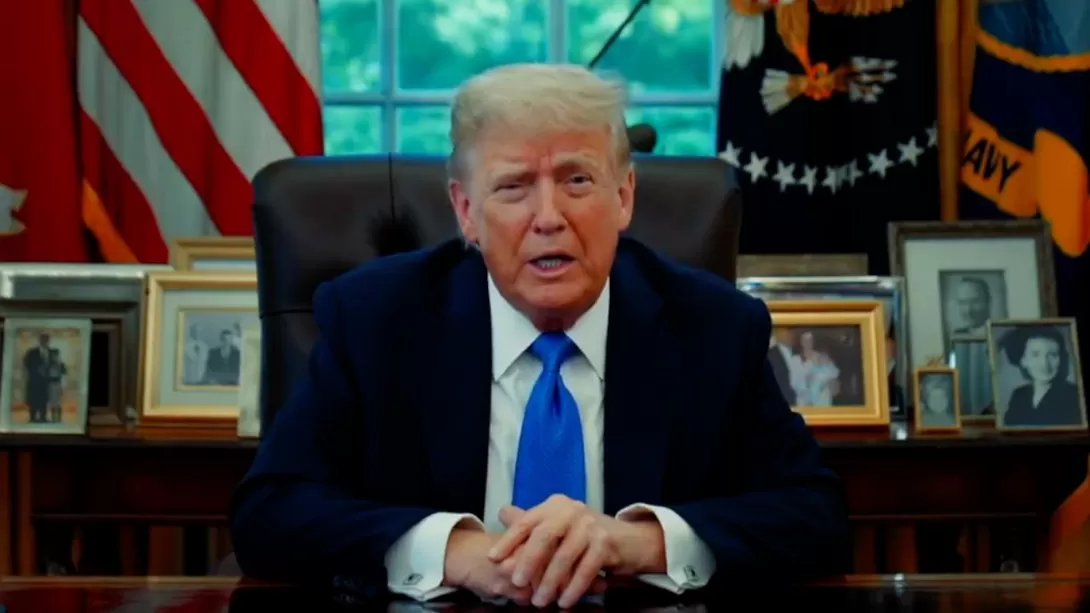
As the United States prepares to host two of the world’s most prestigious sporting events—the 2026 FIFA World Cup and the 2028 Summer Olympics—concerns have emerged regarding the potential impact of the travel ban instituted by President Donald Trump. This policy restricts entry from several countries citing security concerns but includes exemptions for international sports participants. Organizers of the Los Angeles 2028 Olympics have expressed strong confidence that the ban will not hinder the event or its preparations, signaling collaboration between federal authorities and sports governing bodies to ensure smooth execution.
U.S. Set to Host Major Global Sporting Events
The United States is poised to welcome millions of visitors for the 2026 FIFA World Cup and the 2028 Olympic Games, both of which promise significant economic and cultural benefits. These events typically attract a diverse international audience, including athletes, officials, and fans, from around the globe. Hosting such global spectacles not only highlights America’s capacity to organize large-scale events but also drives considerable tourism revenue and international engagement.
Overview of the Travel Ban Policy
In an effort to tighten national security, the Trump administration enacted a travel ban imposing stringent entry restrictions on citizens from 12 countries, alongside partial constraints on seven others. These measures are part of a broader immigration enforcement strategy aimed at mitigating perceived security threats. The policy, however, has sparked international debate due to its broad scope and impact on global mobility.
Exemptions for International Sports Participants
Recognizing the unique nature of global sporting events, the travel ban includes specific exemptions for athletes, officials, and participants involved in international competitions such as the FIFA World Cup and the Olympic Games. This carve-out ensures that essential personnel required for these events can enter the United States without hindrance, preserving the integrity and inclusivity of the tournaments.
Confidence from Olympic Organizers
The LA28 Olympic Organizing Committee has voiced strong assurance that the travel restrictions will not disrupt the Games or their preparatory activities. After discussions with the International Olympic Committee’s coordination commission, LA28 Chair and President Casey Wasserman acknowledged the federal government’s explicit commitment to accommodating the Olympics. He stated, “It was very clear in the directive that the Olympics require special consideration… we have great confidence that this will only continue.”
Broader Impact on International Sport
While the exemptions mitigate direct effects on major events hosted in the U.S., the broader travel ban policy may influence international sports through restrictions on athletes and delegations from affected countries participating in other competitions or training camps. Governing bodies and federations may need to navigate these complexities carefully to ensure fair access and uphold the spirit of global sportsmanship.
Conclusion
The successful hosting of the 2026 FIFA World Cup and the 2028 Olympics hinges not only on infrastructure and organization but also on smooth international participation. The U.S. government’s recognition of these events’ significance, reflected in the exemptions within the travel ban, demonstrates a pragmatic approach to balancing security concerns with global sporting commitments. As these events draw closer, continued cooperation between government agencies and sports authorities will be crucial to delivering seamless and inclusive global sporting spectacles.
Comments