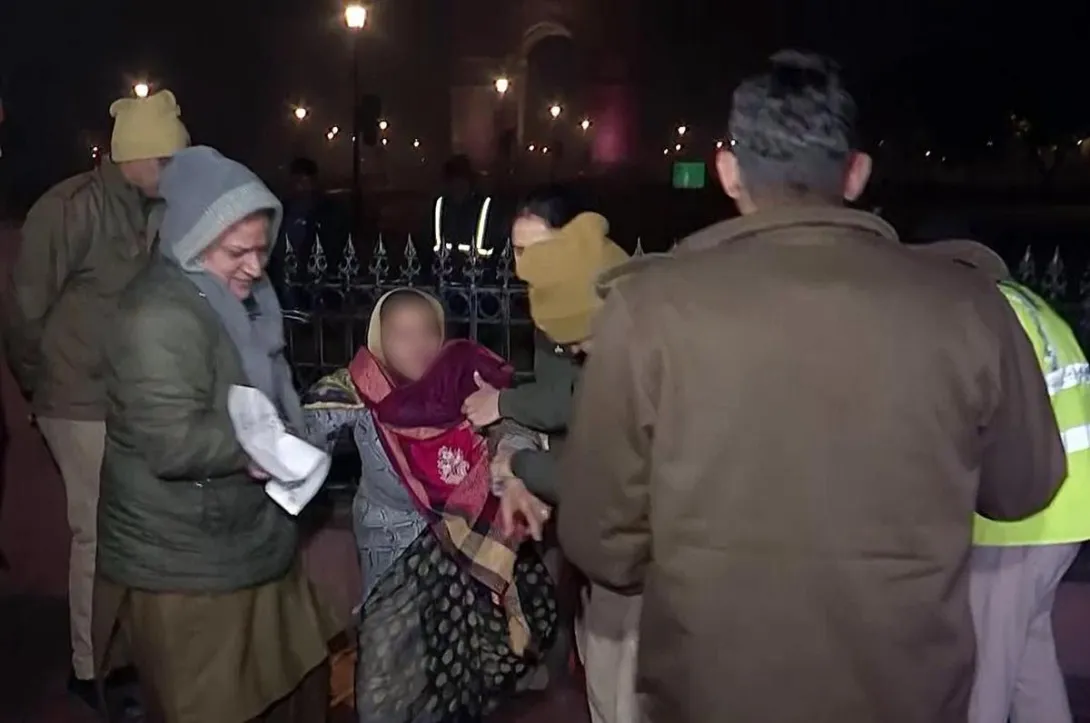
In a troubling development highlighting the challenges faced by victims’ families seeking justice, the mother of an Unnao rape survivor was reportedly manhandled and barred from participating in a protest in Delhi. The protest, aimed at demanding swift legal action and stricter protection measures for survivors, faced administrative resistance from authorities citing security concerns. Activists and legal experts have expressed concern over the incident, emphasizing the importance of safeguarding the rights of victims and their families. The episode underscores ongoing societal and systemic obstacles in ensuring justice for sexual assault survivors, raising questions about accountability, law enforcement, and public advocacy in India.
Incident Overview
The incident occurred as the survivor’s mother attempted to join a peaceful demonstration in Delhi, intended to press for urgent judicial intervention and policy reforms. Authorities reportedly intervened to prevent her participation, citing crowd management and security protocols, but witnesses claim she was physically restrained during the process.
Civil rights organizations condemned the handling of the situation, emphasizing that such measures risk undermining the voices of victims and their families, who are already navigating a complex legal and social landscape.
Advocacy and Legal Concerns
Legal experts and activists argue that the event highlights deeper systemic challenges, including gaps in law enforcement accountability and the protection of individuals advocating for justice. They stress that survivors and their families should be able to voice concerns safely and without fear of harassment.
The case has reignited debates over the responsiveness of authorities to sexual assault cases, and the balance between maintaining public order and upholding fundamental rights for peaceful protestors.
Societal Implications
The incident has prompted calls for greater sensitivity toward victims’ families and for stricter enforcement of protective laws. Experts note that obstructing participation in advocacy events not only diminishes public trust but also risks deterring other survivors from seeking justice or speaking out.
Public discussions have increasingly focused on the need for legal reforms, improved police training, and the creation of safe channels for victims and families to participate in civic and legal advocacy without fear of reprisal.
Conclusion
The reported manhandling of the Unnao survivor’s mother in Delhi serves as a stark reminder of the hurdles faced by victims of sexual assault and their families. Ensuring their protection, supporting their right to protest, and strengthening systemic accountability remain critical steps toward fostering justice, public trust, and a more equitable legal framework in India.
Comments