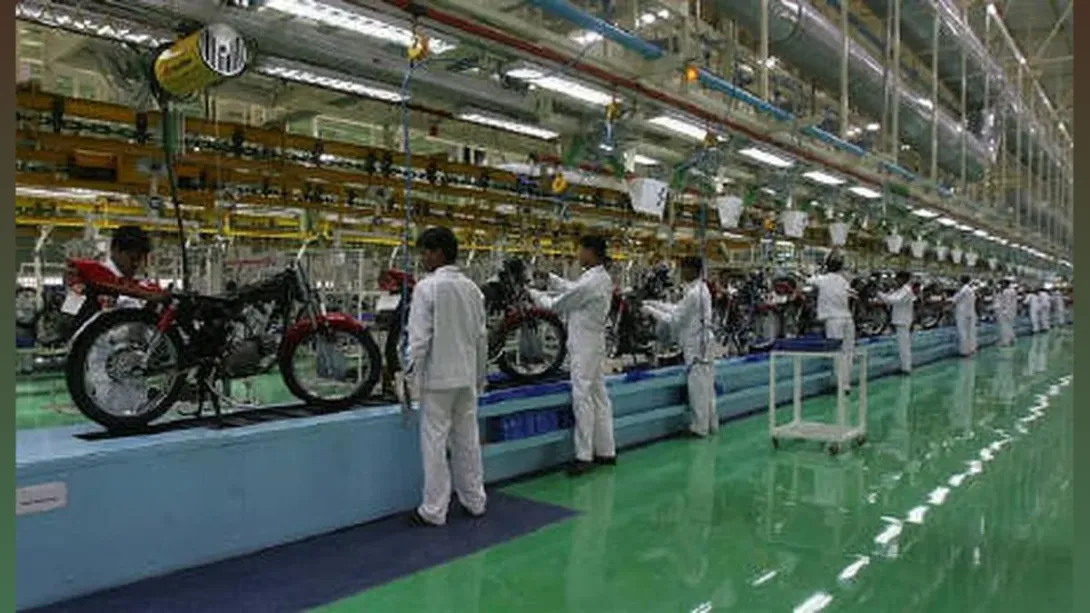
India’s two-wheeler industry is entering a phase of measured yet resilient expansion, with analysts projecting a compound annual growth rate (CAGR) of 8–9% over the medium term. The outlook reflects a gradual recovery in rural demand, improving affordability, and sustained urban mobility needs. Structural factors such as rising income levels, replacement demand, and expanding credit availability are expected to support volumes, while premium motorcycles and electric scooters emerge as key growth drivers. Despite challenges including regulatory costs and input price volatility, the sector’s fundamentals remain strong, reinforcing its role as a cornerstone of the country’s automotive ecosystem.
Industry Outlook Signals Sustainable Expansion
The two-wheeler segment is forecast to grow at a healthy 8–9% CAGR, signaling stability after years marked by pandemic disruptions and inflationary pressures. Market analysts attribute this outlook to normalized supply chains, easing commodity costs, and a return of consumer confidence, particularly in semi-urban and rural markets.
Two-wheelers continue to be the most affordable mode of personal transportation, a factor that underpins consistent demand even during periods of broader economic uncertainty.
Demand Drivers: Rural Recovery and Urban Mobility
A key pillar of the projected growth is the gradual revival of rural consumption, supported by improving farm incomes and government-led infrastructure spending. Entry-level motorcycles and scooters are expected to benefit most from this trend.
In urban centers, congestion and rising fuel costs are reinforcing the relevance of two-wheelers as efficient mobility solutions. At the same time, consumers are increasingly gravitating toward feature-rich and higher-displacement models, boosting average realizations for manufacturers.
Premiumization and Electric Shift Gain Momentum
The industry’s growth trajectory is also being reshaped by premiumization. Buyers are showing a willingness to pay more for performance, safety features, and brand differentiation, particularly in the motorcycle segment.
Parallelly, electric two-wheelers are carving out a larger share of incremental demand. While still a fraction of total volumes, the electric segment is expanding at a faster pace, aided by policy incentives, improving charging infrastructure, and declining battery costs.
Cost Pressures and Regulatory Landscape
Despite the positive outlook, the sector faces persistent challenges. Compliance with emission norms, safety regulations, and fluctuating input prices continues to exert pressure on margins. Manufacturers are responding through selective price increases, cost optimization, and platform sharing to protect profitability.
Analysts note that companies with strong balance sheets and diversified product portfolios are better positioned to navigate these headwinds.
Strategic Importance for India’s Auto Economy
The two-wheeler industry remains a critical pillar of India’s automotive value chain, supporting extensive employment across manufacturing, dealerships, and ancillary industries. Its projected 8–9% CAGR underscores both the sector’s resilience and its adaptability to evolving consumer and regulatory dynamics.
Outlook
Looking ahead, steady economic growth, favorable demographics, and technological shifts are expected to sustain momentum in the two-wheeler market. While short-term fluctuations are inevitable, the industry’s medium-term prospects remain firmly positive, reinforcing its status as a bellwether of consumer sentiment and mobility trends in India.
Comments