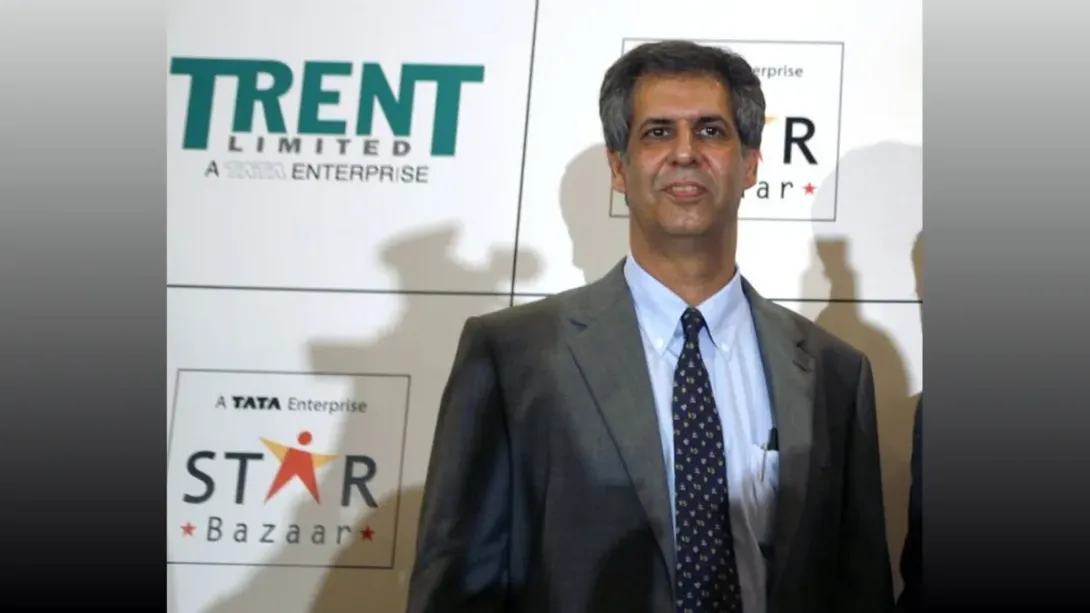
Tata Sons has deferred a decision regarding the reappointment of N. Chandrasekaran as chairman, introducing an element of uncertainty at the apex of India’s largest conglomerate. The move comes as the group navigates an ambitious expansion agenda spanning aviation, semiconductors, renewable energy and digital services. While no immediate leadership vacuum has emerged, the postponement has prompted close scrutiny from investors and corporate governance observers. Analysts suggest the delay may reflect procedural considerations rather than strategic discord. Nonetheless, leadership continuity at Tata Sons remains critical, given the scale, capital commitments and structural transformation underway across group companies.
Board-Level Decision Deferred
Tata Sons has postponed a formal decision on the reappointment of N. Chandrasekaran as chairman, according to sources familiar with the development. Chandrasekaran, who has led the conglomerate since 2017, has overseen a period marked by consolidation, digital transformation and renewed global expansion.
The deferment does not immediately alter the leadership structure, but it places focus on governance processes within one of India’s most influential corporate groups. Market participants are monitoring developments closely, given Tata Sons’ strategic importance across multiple sectors.
Leadership During a Transformational Phase
Under Chandrasekaran’s tenure, the Tata Group has accelerated investments in high-growth and strategic sectors. The conglomerate has expanded aggressively into aviation, electronics manufacturing, electric mobility and renewable energy infrastructure.
The group’s airline business consolidation, semiconductor manufacturing initiatives and electric vehicle investments signal a long-term commitment to industrial modernization. These ventures require substantial capital allocation and multi-year execution discipline.
Industry analysts argue that leadership continuity is particularly vital at a time when the group is deploying billions of rupees in forward-looking projects that may reshape India’s industrial landscape.
Governance Considerations and Strategic Timing
Corporate governance experts suggest that the deferral could stem from procedural, regulatory or internal review considerations rather than dissatisfaction with performance. In large conglomerates with complex ownership structures, board decisions often involve layered consultations and stakeholder alignment.
Tata Sons functions as the principal investment holding entity of the Tata Group, controlling significant stakes in listed entities across steel, information technology, automotive and consumer sectors. Any leadership transition, therefore, carries implications far beyond the holding company itself.
Observers emphasize that measured decision-making in succession planning often strengthens institutional credibility, particularly for legacy-driven conglomerates.
Market and Investor Perspective
Although Tata Sons is privately held, its strategic decisions influence sentiment surrounding listed group companies. Investors generally favor stability at the top, particularly amid macroeconomic volatility and shifting global trade dynamics.
Chandrasekaran is widely credited with streamlining operations, reducing legacy debt burdens and sharpening capital allocation frameworks. His background in technology and digital services has also informed the group’s push into emerging sectors.
Market analysts caution against overinterpreting the postponement, noting that leadership renewals in large conglomerates frequently involve extended deliberation.
The Road Ahead
The Tata Group stands at a pivotal juncture, balancing legacy businesses with next-generation investments. From green energy commitments to semiconductor fabrication ambitions, the group’s strategic roadmap requires cohesive oversight and sustained execution.
Whether the board ultimately reappoints Chandrasekaran or signals a future transition, clarity will be essential to maintain investor confidence and operational momentum.
For now, the deferral underscores the importance of governance rigor within India’s most storied corporate house—where leadership decisions reverberate across industries and, by extension, the broader economy.
Comments