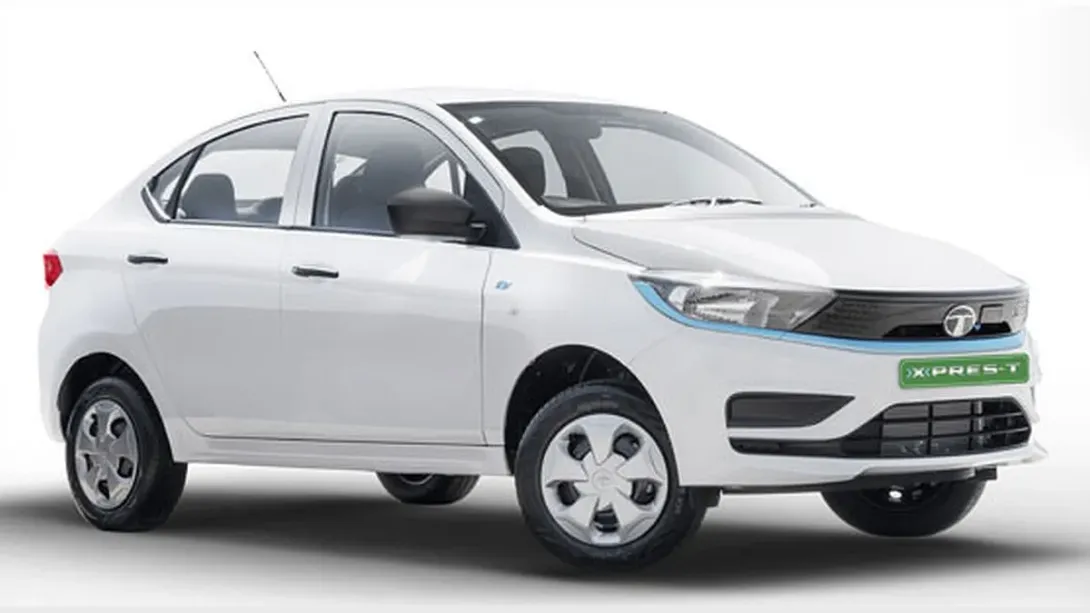
The debut of the Tata Punch EV marks a decisive shift in India’s electric vehicle narrative, moving EV adoption from aspiration to accessibility. By entering the entry-level segment, Tata Motors is challenging the long-held assumption that electric cars are inherently expensive or niche. The compact electric SUV blends cost discipline with practical range, contemporary design and essential technology, making it relevant for urban and first-time buyers. More broadly, the Punch EV reflects a strategic recalibration of India’s auto industry, where scale, affordability and sustainability are converging to reshape consumer behavior and long-term mobility economics.
A Calculated Move Into the Mass Market
With the launch of the Tata Punch EV, Tata Motors has taken a deliberate step toward mass electrification. Until now, most electric offerings in India have skewed toward premium pricing, limiting volumes and slowing adoption. The Punch EV changes that equation by targeting the most competitive segment of the passenger vehicle market, where affordability often outweighs brand aspiration.
This move is not merely incremental. It reflects a broader strategic intent to normalize electric mobility rather than treat it as a parallel or experimental category.
Affordability Without Diluting Utility
The Punch EV’s core appeal lies in its value proposition. By optimizing local sourcing, leveraging modular platforms and tightening cost controls, Tata Motors has positioned the vehicle within reach of cost-conscious consumers. The compact SUV format, already popular in India, offers a balance of maneuverability and road presence, while maintaining the durability expected from vehicles designed for varied driving conditions.
Importantly, affordability has not come at the expense of safety or basic comfort, reinforcing the idea that entry-level no longer means bare-bones.
Technology, Range and Everyday Relevance
Range and reliability remain decisive factors in EV purchase decisions. The Punch EV is engineered to meet daily commuting needs with sufficient buffer, addressing concerns around range anxiety for urban users. Features such as regenerative braking, efficient battery management and connected systems enhance usability while improving energy efficiency.
Equally significant is Tata Motors’ expanding charging ecosystem, which reduces friction for new EV owners and strengthens confidence in electric mobility as a practical, everyday solution.
Business Impact and Industry Implications
From a financial and industrial standpoint, the Punch EV underscores the importance of volume-led growth in reducing EV costs. Higher adoption rates support economies of scale, encourage supplier investment and gradually lower battery expenses. Over time, this dynamic narrows the total cost of ownership gap between electric and internal combustion vehicles, even as subsidies moderate.
For the broader industry, the model raises competitive pressure, compelling rivals to rethink pricing strategies and accelerate their own entry-level EV plans.
A Step Toward Mainstream Electrification
The Tata Punch EV represents more than a product launch; it signals a structural shift in India’s automotive market. By bringing electric mobility to a wider audience, Tata Motors is helping redefine consumer expectations and market economics. If sustained by infrastructure growth and policy stability, this approach could transform EVs from a transitional technology into the default choice for the next generation of car buyers.
Comments