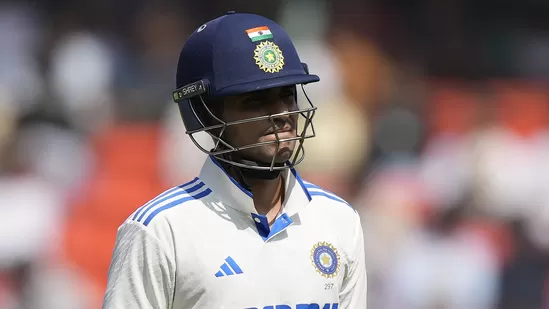
As Shubman Gill prepares to lead India into the first Test against England at Headingley, scrutiny over his overseas batting record looms large. The 25-year-old’s transition from prodigy to captain comes with the burden of performance, particularly in foreign conditions where his red-ball returns have been underwhelming. Gill averages just 25.40 outside Asia and has yet to score a century abroad in Test cricket. His past outings in England are especially concerning. As experts dissect his technique and offer guarded assessments, this series offers Gill a decisive opportunity to reframe his narrative on the international stage.
Leadership Transition Under Pressure
India’s decision to appoint Shubman Gill as Test captain marks a significant generational shift. Taking over from Rohit Sharma, the young opener now shoulders the dual responsibility of leading the side and delivering with the bat. While his performances in Indian conditions and the Indian Premier League have earned him accolades, red-ball cricket abroad has been a different story.
Gill’s overseas Test numbers present a sobering picture: 559 runs in 13 matches at an average of 25.40, with no centuries to date. In England alone, he has scored a mere 88 runs in three Tests, averaging just 14.66—figures that raise legitimate concerns about his ability to adapt to seam-friendly conditions.
Technical Flaws Exposed by Experts
Former England batter and commentator Nick Knight offered a candid appraisal of Gill’s batting technique in the lead-up to the England series. Speaking from his observations during the Indian Premier League, Knight identified a recurring issue: Gill’s tendency to overcommit with his front leg, especially when low on confidence.
“Sometimes, the front foot pushes too far across the crease, which compromises the rotation of the body and limits shot access,” Knight explained. This flaw, he added, is less visible when Gill is in form but can become glaringly problematic in testing conditions—such as those expected in England.
Knight also cautioned against the specific threat posed by left-arm pacers operating over the wicket and angling deliveries into Gill’s pads. Such bowlers can exploit his front-leg alignment and create LBW or bowled opportunities, particularly with the movement generated by the Dukes ball.
The English Test Challenge: More Than Just Technique
Success in England demands more than mechanical precision. The combination of overcast conditions, moisture-retentive pitches, and the lateral movement offered by the Dukes ball make it one of the most challenging environments for subcontinental batters.
Here, even minor technical imperfections are magnified. A batter's ability to leave balls outside off stump, adjust to swing late in the delivery arc, and maintain composure under relentless examination separates the elite from the rest.
For Gill, the Headingley Test will test not only his technique but his temperament. With the added burden of captaincy, every innings becomes a measure of his leadership under pressure.
Mental and Strategic Dimensions of Leadership
Gill’s captaincy debut in England also raises questions about how leadership responsibilities might influence his individual performance. Historically, the pressure of leading the team has proven either galvanizing or burdensome for Indian captains abroad. Jasprit Bumrah, who himself briefly captained in England, emphasized that he would avoid inundating Gill with suggestions, instead encouraging the young captain to develop his instincts.
This signals a supportive dressing room culture—but the battlefield remains unforgiving. Gill’s decisions, both strategic and personal, will be scrutinized not only for their tactical impact but for their symbolic weight in a transitioning team.
A Defining Series for a Rising Star
As India opens its campaign in England, Shubman Gill stands at a critical juncture. This is more than just a Test match; it is a referendum on his readiness for leadership and his ability to adapt and thrive under the sternest of examinations.
Should he overcome his technical hurdles and lead with clarity, Gill could cement his place not just as India’s batting mainstay but as a generational leader. Failure, on the other hand, may prompt broader questions about timing, readiness, and the wisdom of thrusting a young batter into the dual burden of captaincy and overseas performance.
For now, the spotlight is firmly fixed on Leeds. And in it, the cricketing world watches a young leader seek validation—one innings at a time.
Comments