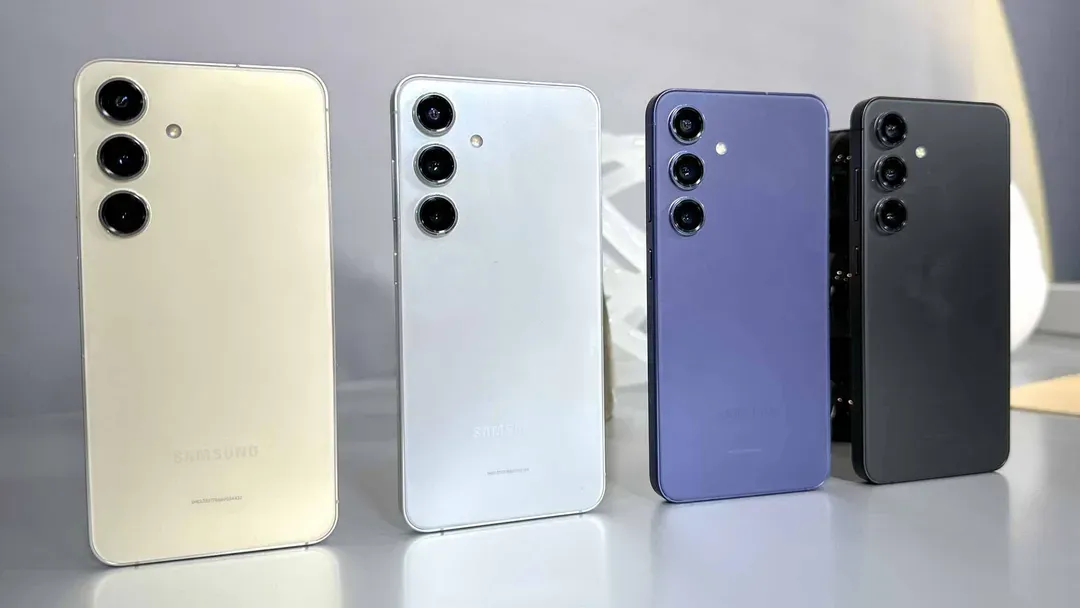
Samsung is recalibrating its Galaxy strategy as competition intensifies across the global smartphone and consumer electronics market. The South Korean technology giant is doubling down on premium innovation, artificial intelligence integration and ecosystem-driven growth to defend its leadership position. With the Galaxy lineup spanning flagship smartphones, foldables and connected devices, Samsung aims to balance cutting-edge features with mass-market appeal. Industry analysts view the company’s latest moves as a response to shifting consumer preferences, margin pressure and slowing global handset demand. The Galaxy brand remains central to Samsung’s broader ambition of anchoring users within a tightly integrated digital ecosystem.
A Strategic Push for the Galaxy Ecosystem
Samsung Electronics continues to position the Galaxy brand as the cornerstone of its consumer strategy. Rather than relying solely on hardware sales, the company is emphasizing ecosystem stickiness—linking smartphones with wearables, tablets, televisions and smart home devices.
Executives have highlighted that the Galaxy portfolio is no longer just a product range but a platform designed to deliver recurring value through services, software upgrades and cross-device functionality.
Innovation as a Competitive Moat
At the premium end, Samsung Galaxy devices are increasingly differentiated through advanced camera systems, custom processors and AI-driven features. Samsung has invested heavily in on-device artificial intelligence, positioning it as a privacy-focused alternative to cloud-dependent models.
Foldable smartphones remain a key pillar of this strategy. While still a niche segment, foldables allow Samsung to command higher average selling prices and reinforce its image as an innovation leader.
Navigating Market Pressures
The global smartphone market has shown signs of saturation, forcing manufacturers to compete on value rather than volume. Samsung faces pressure from both premium rivals and aggressive low-cost competitors in emerging markets.
To address this, the company has refined its mid-range Galaxy offerings, aiming to protect market share without eroding margins. Cost discipline, supply chain optimization and selective pricing adjustments are now central to Galaxy’s commercial roadmap.
Implications for Investors and Consumers
For investors, the Galaxy strategy reflects Samsung’s effort to stabilize earnings in a volatile consumer electronics cycle. A stronger focus on services and ecosystem integration could improve long-term profitability, even if near-term hardware growth remains modest.
Consumers, meanwhile, benefit from longer software support, deeper device integration and incremental innovation rather than disruptive but risky redesigns.
Outlook: Evolution Over Disruption
Samsung’s approach suggests that the next phase of the Galaxy story will be defined by evolution rather than radical change. By strengthening its ecosystem, embedding AI at the device level and defending its premium positioning, Samsung is signaling confidence in the Galaxy brand’s enduring relevance.
In a market where differentiation is increasingly difficult, Samsung is betting that consistency, scale and strategic patience will keep Galaxy at the center of the global consumer technology conversation.
Comments