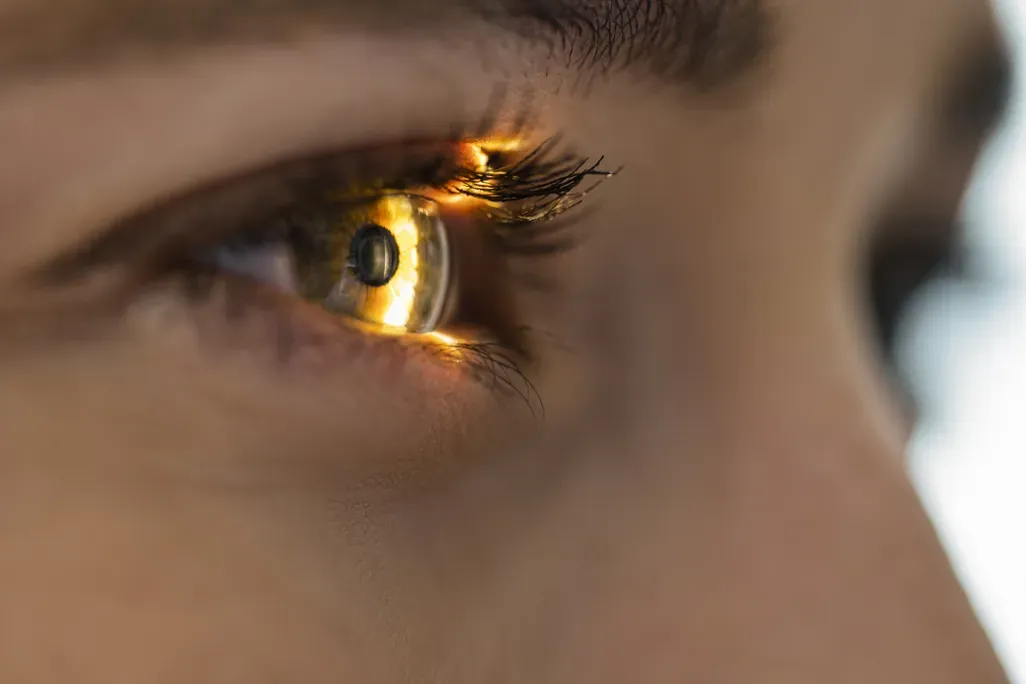
In a groundbreaking development, a new eye implant has enabled patients with advanced age-related macular degeneration (AMD), a leading cause of irreversible blindness, to regain functional vision. The implant, known as the PRIMA system, comprises a tiny wireless chip inserted beneath the retina and augmented-reality glasses equipped with a camera. This combination allows patients to perceive images by stimulating the retina, offering renewed independence and quality of life. Clinical trials have demonstrated significant improvements in vision, with many participants able to read letters and numbers again.
The PRIMA System: A Technological Marvel
The PRIMA system represents a significant advancement in retinal prosthetics. Developed by Science Corporation in collaboration with Stanford University, the system includes a microchip measuring just 2mm x 2mm, which is implanted under the retina. This chip receives visual information from a camera mounted on special augmented-reality glasses. The captured images are converted into electrical pulses that stimulate the retina, transmitting visual information to the brain. This innovative approach bypasses damaged photoreceptors, directly stimulating the remaining functional retinal cells.
Clinical Trial Successes
Recent clinical trials have showcased the efficacy of the PRIMA system. In a study involving 38 patients with dry AMD, 84% experienced significant improvements in their vision. Participants reported the ability to read letters, numbers, and words—activities previously unattainable due to their condition. The procedure, which involves a minimally invasive surgery lasting under two hours, was conducted across 17 European sites, including Moorfields Eye Hospital in London. Patients also underwent rehabilitation training to maximize the device's benefits.
Implications for the Future of Vision Restoration
The success of the PRIMA system marks a pivotal moment in the field of ophthalmology. It offers hope to millions affected by AMD, a condition that has long been considered untreatable. While the device does not restore normal vision, it provides a functional alternative that enhances quality of life. As research continues and technology advances, the potential for broader applications and improved outcomes remains promising.
Comments