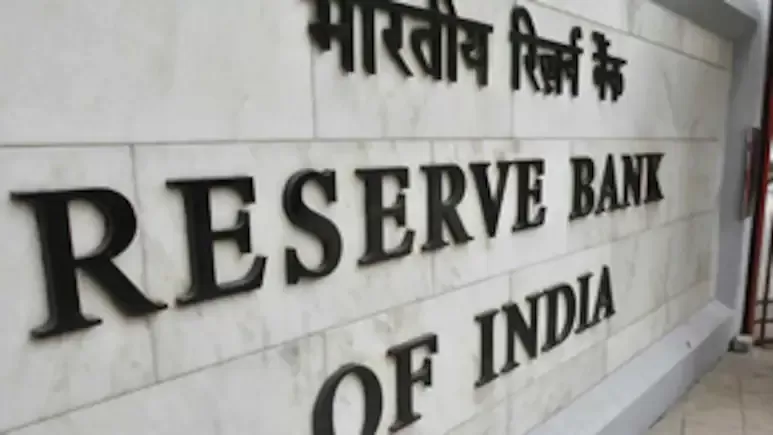
In a significant regulatory move, the Reserve Bank of India (RBI) has imposed financial penalties on five prominent lenders for failing to comply with key banking guidelines. ICICI Bank, Bank of Baroda, Axis Bank, IDBI Bank, and Bank of Maharashtra are the affected institutions. The penalties, ranging from Rs. 29.60 lakh to Rs. 97.80 lakh, highlight the banks’ deficiencies in areas including cybersecurity, customer service, KYC compliance, and the handling of agricultural loan schemes. These penalties underscore the ongoing regulatory scrutiny in India’s banking sector and the importance of adherence to compliance standards.
RBI’s Enforcement Action on Regulatory Non-Compliance
In a series of regulatory actions, the Reserve Bank of India (RBI) has levied monetary penalties on five major banks operating in the country. The move underscores the central bank's continued focus on ensuring that financial institutions maintain strict compliance with the regulatory frameworks governing cybersecurity, customer service, and anti-money laundering procedures. The penalties range from Rs. 29.60 lakh to Rs. 97.80 lakh, signaling RBI’s commitment to enforcing its compliance directives.
While these penalties reflect a tightening regulatory environment, the RBI made it clear that the fines were imposed based on deficiencies in compliance, not on the validity of any transactions or agreements made between the banks and their customers.
Breakdown of the Penalties
- ICICI Bank: Rs. 97.80 Lakh
ICICI Bank, one of India’s largest private-sector banks, faced a penalty of Rs. 97.80 lakh for non-compliance with the RBI’s directives on multiple fronts. The violations involved the "Cyber Security Framework in Banks," "Know Your Customer" (KYC) guidelines, and the "Issuance and Conduct of Credit and Debit Cards." These areas are crucial to maintaining customer security and preventing financial fraud, and the penalty highlights the need for banks to adhere to the RBI's cybersecurity and KYC standards to protect consumers. - Bank of Baroda: Rs. 61.40 Lakh
Bank of Baroda, another prominent player in India’s banking sector, was fined Rs. 61.40 lakh for failing to comply with RBI guidelines concerning “financial services provided by banks” and “customer service in banks.” These regulations are designed to enhance transparency, ensure fair treatment of customers, and improve the overall banking experience. The fine suggests deficiencies in the bank’s processes and its commitment to delivering customer-centric services. - IDBI Bank Ltd: Rs. 31.80 Lakh
IDBI Bank, which has been under the RBI’s radar in recent years, faced a Rs. 31.80 lakh penalty for not complying with the RBI’s directives on the "interest subvention scheme for short-term loans for agriculture and allied activities" availed through the Kisan Credit Card (KCC) scheme. This penalty indicates gaps in the bank’s adherence to agricultural loan schemes, which are vital to supporting rural development and farmer welfare. - Bank of Maharashtra: Rs. 31.80 Lakh
Bank of Maharashtra, which predominantly operates in the Maharashtra region, was also fined Rs. 31.80 lakh for non-compliance with KYC guidelines. KYC is a critical process for preventing money laundering and fraud in the banking sector. Non-compliance in this area can lead to severe risks, including the facilitation of illegal transactions, underscoring the importance of robust KYC protocols. - Axis Bank: Rs. 29.60 Lakh
Axis Bank, another leading private-sector lender, faced a fine of Rs. 29.60 lakh due to violations concerning the “unauthorized operation of internal/office accounts.” This penalty points to issues related to internal controls and oversight, areas that are critical for maintaining integrity and accountability within banking operations.
The Growing Focus on Compliance in India’s Banking Sector
The imposition of these penalties serves as a reminder that regulatory compliance remains a priority for the RBI in ensuring the stability and trustworthiness of India’s banking sector. Non-compliance with regulations related to cybersecurity, customer service, and KYC protocols can have far-reaching consequences, not only for the banks involved but also for the overall financial ecosystem.
RBI’s actions reflect its broader strategy of ensuring that banks operate transparently, uphold customer interests, and mitigate risks that could lead to financial instability. As India’s financial system becomes more integrated with global markets, the RBI’s role in enforcing strict compliance has never been more critical.
Impact on the Banks and the Broader Market
For the banks involved, the penalties may have reputational and financial consequences. While the fines themselves may not be substantial enough to impact their financial health significantly, the potential for customer mistrust and regulatory scrutiny could have a longer-term impact. Investors and market analysts will likely keep a close eye on how these penalties affect the banks’ operations, especially in the areas of compliance, cybersecurity, and customer service.
From a broader perspective, these regulatory actions may serve as a deterrent for other banks, urging them to invest more resources into compliance systems and internal audits. In the long run, this could lead to a more robust and secure banking environment in India, where regulatory oversight helps protect both consumers and financial institutions.
Conclusion
The penalties imposed by the RBI on ICICI Bank, Bank of Baroda, Axis Bank, IDBI Bank, and Bank of Maharashtra are indicative of the growing importance of regulatory compliance in India’s banking sector. As banks face increasing scrutiny, they must strengthen their adherence to guidelines governing cybersecurity, KYC, and customer service. These fines, while significant, also serve as a signal to the industry that non-compliance will no longer be tolerated, and financial institutions must prioritize regulatory adherence to maintain consumer trust and operational integrity.
Comments