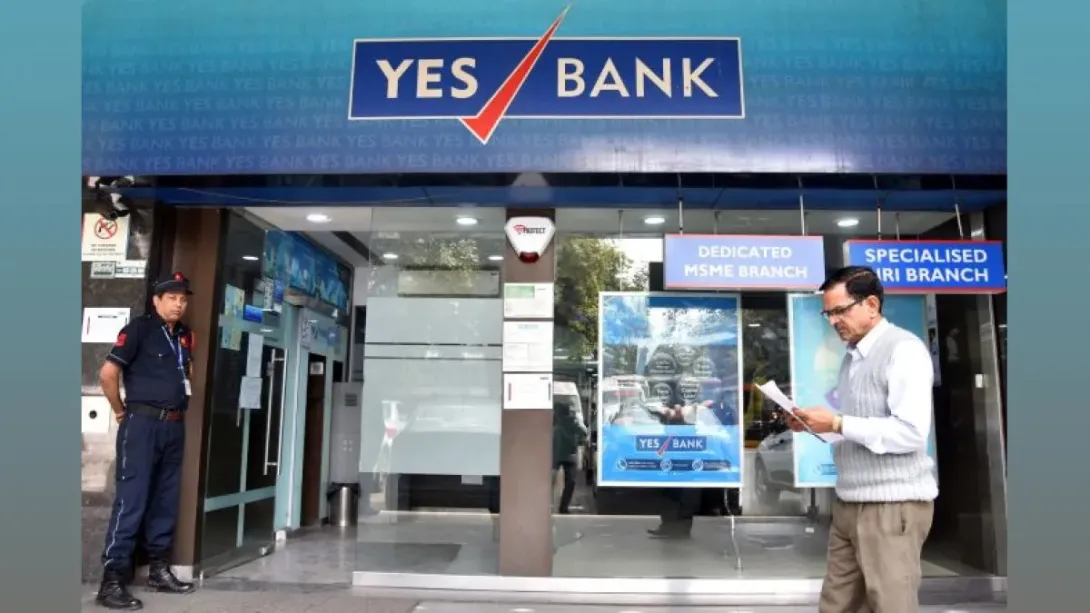
The Reserve Bank of India (RBI) has approved the reappointment of R. Gandhi as non-executive part-time chairman of Yes Bank, reinforcing continuity in the lender’s governance framework. Gandhi, a former deputy governor of the central bank, has been a critical figure in stabilizing the bank’s board and guiding it through regulatory reforms. His renewed term reflects RBI’s confidence in his stewardship, particularly at a time when the financial sector faces heightened scrutiny. The move underscores the regulator’s emphasis on experienced leadership to ensure compliance, strengthen corporate governance, and support Yes Bank’s strategic revival.
Regulatory Approval for Leadership Continuity
Yes Bank announced that the RBI has formally approved R. Gandhi’s reappointment as non-executive part-time chairman. This decision ensures leadership stability for the private lender, which has undergone significant restructuring since its bailout in 2020. Gandhi, known for his expertise in banking supervision, financial markets, and governance reforms, is expected to continue playing a pivotal role in strengthening the bank’s credibility with investors, regulators, and customers.
R. Gandhi’s Background and Role
A seasoned central banker, R. Gandhi served as deputy governor of the RBI between 2014 and 2017, overseeing crucial portfolios including currency management, payment systems, and financial market regulation. Since joining Yes Bank’s board, he has been instrumental in steering governance reforms and aligning the bank with regulatory expectations. His leadership has also been vital in enhancing transparency, improving compliance frameworks, and rebuilding stakeholder trust after the bank’s crisis period.
Significance for Yes Bank’s Strategic Roadmap
The reappointment comes at a crucial time for Yes Bank, which continues to strengthen its balance sheet, improve asset quality, and expand digital banking services. The bank’s turnaround strategy hinges on disciplined risk management and governance credibility. With Gandhi’s guidance, Yes Bank aims to further stabilize operations and position itself as a competitive player in India’s evolving financial ecosystem. Analysts view his continued presence as a signal of regulatory confidence and a positive factor for long-term investor sentiment.
Broader Context in Indian Banking
The RBI’s approval also reflects a broader emphasis on leadership continuity and strong oversight in the Indian banking sector. In recent years, the regulator has tightened norms around corporate governance and board accountability to prevent lapses that could destabilize financial institutions. By endorsing experienced leaders like Gandhi, the RBI is reinforcing the importance of seasoned oversight in ensuring sustainable growth and risk resilience for private sector banks.
Comments