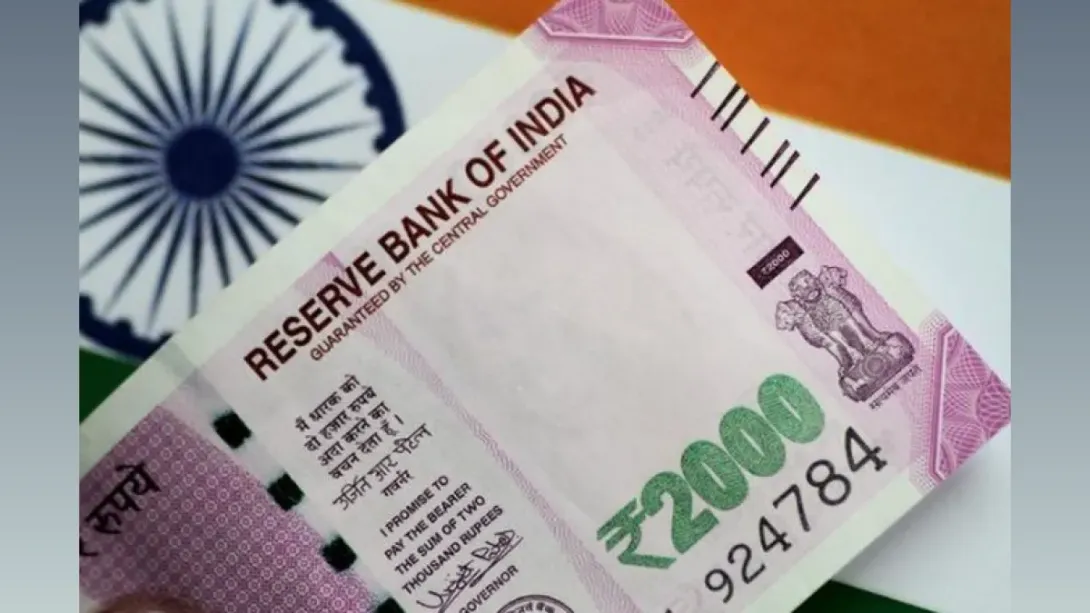
India’s central bank, Reserve Bank of India, has announced a large-scale open market operation (OMO) to purchase government securities worth Rs. 1 lakh crore. The initiative aims to enhance liquidity in the banking system and stabilize financial markets amid evolving macroeconomic conditions. By acquiring government bonds from the secondary market, the central bank seeks to ease funding pressures and support credit flow across the economy. Market participants view the move as a proactive monetary policy measure designed to manage bond yields and maintain orderly market functioning while reinforcing financial stability during periods of heightened economic uncertainty.
Central Bank Deploys Liquidity Support Measures
The Reserve Bank of India has unveiled plans to purchase government securities valued at Rs. 1 lakh crore through open market operations. OMOs are a key monetary policy tool used by central banks to regulate liquidity in the financial system.
Through this mechanism, the central bank buys government bonds from banks and other financial institutions, thereby injecting liquidity into the banking sector. The additional funds help improve credit availability and support broader economic activity.
The announcement reflects the central bank’s continued commitment to maintaining adequate liquidity conditions in the financial system.
Understanding the Role of Open Market Operations
Open market operations are widely used by central banks around the world to manage money supply and influence interest rates. When the Reserve Bank of India purchases government securities, it effectively increases the amount of money circulating within the financial system.
This liquidity injection can lower short-term borrowing costs for banks, enabling them to extend credit more efficiently to businesses and consumers. OMOs are particularly useful during periods of financial stress or when markets require additional stability.
By conducting large-scale bond purchases, the central bank also helps moderate volatility in government bond yields, which serve as a benchmark for various financial instruments across the economy.
Implications for Bond Markets and Investors
The announcement of a Rs. 1 lakh crore bond purchase program is expected to influence India’s government securities market significantly. Increased demand for government bonds typically leads to a moderation in yields, which in turn affects borrowing costs across the financial system.
Institutional investors, including banks and mutual funds, closely monitor such policy moves because they can influence portfolio strategies and investment decisions. Lower bond yields may encourage investors to explore alternative asset classes, including equities and corporate debt instruments.
Market analysts suggest that the RBI’s intervention could help maintain stability in the government bond market, especially during periods of heightened fiscal borrowing.
Supporting Economic Growth and Financial Stability
The central bank’s liquidity measures are often designed to support economic growth by ensuring that financial institutions have sufficient resources to lend. Adequate liquidity conditions can stimulate investment, consumption, and business expansion.
In addition, stable bond markets play a critical role in maintaining investor confidence and ensuring efficient functioning of financial systems. Government securities serve as benchmark instruments for pricing loans, mortgages, and corporate bonds.
By managing liquidity and bond yields, the RBI aims to maintain an environment conducive to sustainable economic development.
Outlook for Monetary Policy
The decision to conduct a large-scale OMO purchase reflects the central bank’s proactive approach to managing financial conditions. As global economic uncertainties and domestic fiscal requirements continue to evolve, liquidity management will remain a central component of monetary policy.
Market participants expect the Reserve Bank of India to closely monitor inflation trends, credit growth, and capital flows while calibrating its policy tools accordingly.
In the broader context of India’s financial system, the Rs. 1 lakh crore government securities purchase underscores the RBI’s role as a stabilizing force, ensuring that liquidity, market confidence, and economic momentum remain firmly supported.
Comments