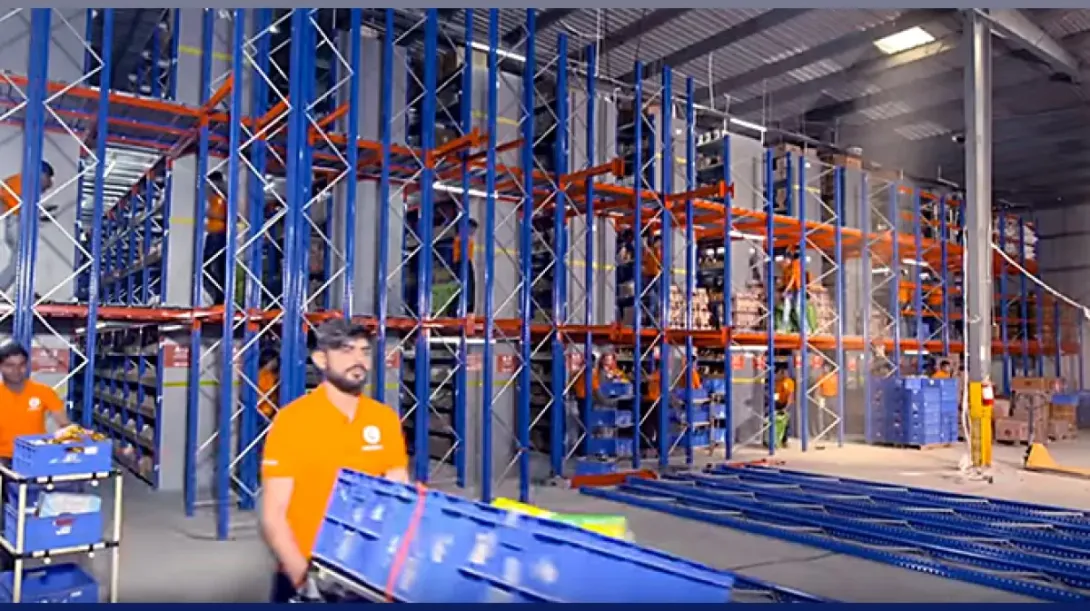
India’s quick commerce sector is primed for a dramatic expansion, with market value anticipated to reach nearly Rs. 2 lakh crore by fiscal year 2028. This surge reflects a compounded annual growth rate of approximately 45%, propelled by changing urban lifestyles, rising disposable incomes, and a burgeoning appetite for convenience-driven shopping. As consumers increasingly favor delivery windows under 30 minutes, quick commerce platforms are reimagining inventory management, last-mile logistics, and hyperlocal supply chains. The robust growth trajectory also signals new avenues for FMCG firms, local kiranas, and technology enablers, positioning quick commerce as a transformative force within India’s broader retail ecosystem.
Evolution of Quick Commerce in India
Quick commerce—typically defined by delivery timelines of under an hour—is rapidly altering India’s urban consumption habits. Unlike traditional e-commerce, which operates on next-day or two-day delivery models, quick commerce platforms promise essentials, groceries, and even indulgent categories like snacks and beverages at the consumer’s doorstep in 10 to 30 minutes.
This shift is largely fueled by India’s young, digitally savvy demographic that values time and instant gratification. The proliferation of smartphones, coupled with affordable data plans, has amplified adoption rates, encouraging even middle-income households to frequently opt for such services.
Market Potential and Growth Projections
According to industry estimates, the quick commerce market in India, valued at around Rs. 30,000 crore in FY23, is expected to balloon to approximately Rs. 2 lakh crore by FY28. This represents a compounded annual growth rate of about 45%, far outpacing many other segments within the broader retail space.
Factors driving this growth include improved urban infrastructure, a surge in working couples seeking time-saving solutions, and rising investments in cold chain and micro-fulfillment centers. Additionally, brands are increasingly tailoring their SKUs—smaller packs and combo offers—specifically for quick commerce channels, further reinforcing demand.
Competitive Landscape and Strategic Shifts
Major players in this space are investing heavily in dark stores, AI-driven inventory forecasting, and partnerships with local vendors to ensure consistent product availability. These hyperlocal fulfillment hubs allow platforms to keep popular items within a two- to three-kilometer radius of dense residential clusters, enabling swift delivery.
Simultaneously, strategic alliances are emerging between quick commerce firms and FMCG giants to launch exclusive products and promotions, leveraging consumer data insights to drive targeted campaigns. This has intensified competition, pushing players to innovate on delivery reliability, assortment breadth, and pricing strategies.
Implications for Stakeholders
The ripple effects of quick commerce extend beyond platform operators. Traditional kirana stores are integrating with these platforms as inventory partners, securing faster turnover and digital payments. FMCG companies are revisiting their supply chains to accommodate the unique demands of rapid restocking and smaller, high-velocity SKUs. Meanwhile, logistics tech startups are flourishing, offering route optimization and last-mile delivery solutions tailored to the quick commerce model.
Moreover, with employment generation through delivery partners and warehouse staff, quick commerce is subtly reshaping urban job markets, albeit with challenges around worker welfare and regulatory oversight that will require attention.
Conclusion
The exponential rise of quick commerce in India represents more than just a retail trend—it marks a fundamental shift in how urban consumers approach convenience and immediacy. As the market races toward the Rs. 2 lakh crore mark by FY28, the interplay between technology, consumer behavior, and micro-logistics will redefine competitive dynamics across India’s retail landscape. Companies that can seamlessly integrate operational agility with customer-centric innovations are likely to be the long-term winners in this fast-evolving space.
Comments