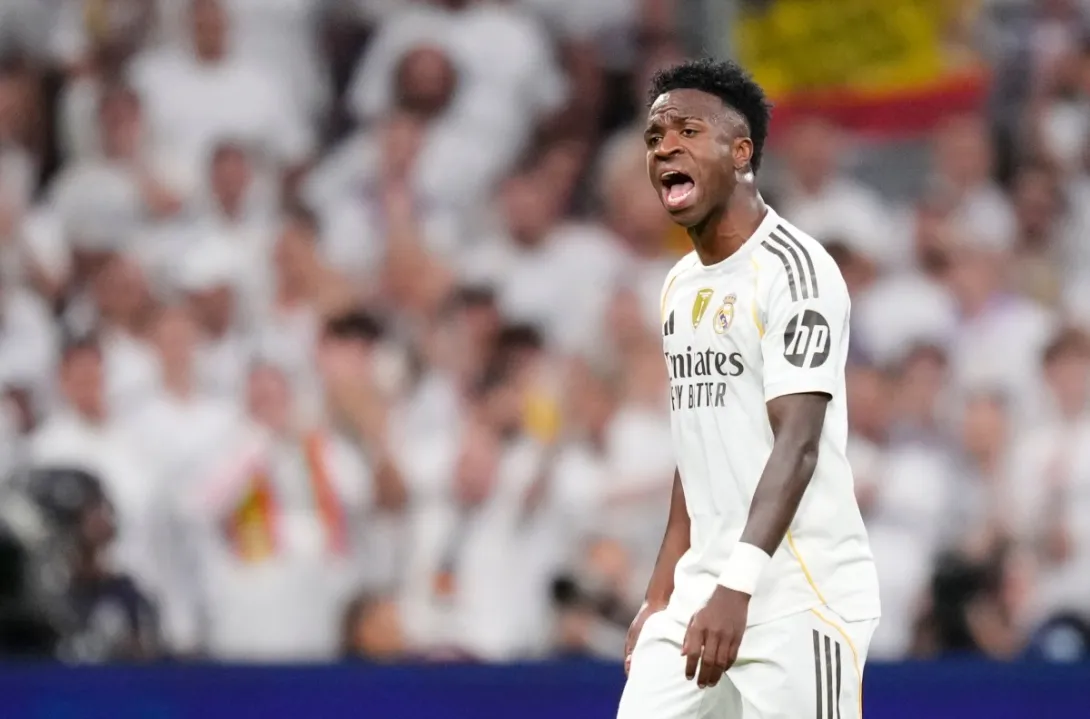
Following Real Madrid’s high-intensity El Clásico encounter against Barcelona, Brazilian forward Vinícius Júnior has publicly apologized for his emotional reaction after the match. The young star, known for his passion and fiery competitiveness, expressed remorse over his behavior, acknowledging that his actions did not reflect the sportsmanship expected at the top level of football. Vinícius’ apology came amid widespread media attention, with many fans and analysts debating the pressures faced by elite athletes in emotionally charged fixtures. His statement underscores the maturity of a player growing under global scrutiny while balancing immense expectations as one of Real Madrid’s brightest talents.
The Apology and Its Context
After Real Madrid’s defeat in the latest El Clásico, tensions ran high both on and off the pitch. Vinícius Júnior, visibly frustrated by the outcome and a few contentious refereeing decisions, was seen engaging in a heated exchange during and after the match. The incident quickly drew attention across the footballing world, prompting the player to issue a formal apology through his social media channels.
In his statement, Vinícius expressed regret for allowing emotions to get the better of him, acknowledging the importance of maintaining composure even in the most intense moments. He emphasized his respect for the opposition, his teammates, and the fans who look up to him.
Understanding the Pressure Behind the Passion
For many athletes, particularly those competing in fixtures as emotionally charged as El Clásico, the line between passion and frustration can be razor-thin. Vinícius, who has built his reputation on explosive energy and fearless creativity, has often faced both admiration and criticism for his expressive demeanor on the pitch.
This particular match carried even more weight, given Real Madrid’s ambitions in the ongoing season and the constant comparisons drawn between Vinícius and other global superstars. His apology reflects not only accountability but also the maturity of a young player learning to navigate the emotional demands of modern football under the microscope of global media.
Reactions from Fans and Teammates
The apology has been largely met with understanding from fans and support from within the club. Several of Vinícius’ teammates reportedly commended him for taking responsibility, while Real Madrid’s coaching staff emphasized the importance of learning from such experiences.
Supporters across social media platforms echoed a similar sentiment, describing the incident as a reflection of the intense emotions that come with representing one of football’s most iconic institutions. For many, Vinícius’ passion is what makes him an electrifying player to watch, and his apology reinforces his commitment to professionalism and growth.
A Pattern of Growth and Maturity
Vinícius’ career trajectory has been a blend of raw talent, emotional intensity, and gradual evolution. From his early days as a prodigious teenager in Brazil to becoming one of Real Madrid’s most decisive attackers, his journey has not been without challenges.
While his temper has occasionally drawn criticism, his willingness to acknowledge mistakes marks a notable step in his personal and professional development. Coaches and analysts have often highlighted that managing emotions is a skill as critical as tactical discipline in elite football—a lesson Vinícius appears to be embracing.
The Bigger Picture: Sportsmanship and Modern Football
The incident and its aftermath also reignite conversations around the emotional pressures faced by top athletes. Footballers today operate in an environment of relentless media scrutiny, where every gesture and reaction is magnified. Vinícius’ apology serves as a reminder of the human side of professional sport—where passion can sometimes overflow, but accountability and humility define character.
By owning up to his outburst, the Brazilian star has not only mended fences but also set an example for younger players who look to him as a role model. His decision to address the issue publicly aligns with the evolving expectations of transparency and integrity in global sport.
Moving Forward
As Real Madrid continues its campaign, the focus for Vinícius will undoubtedly shift back to performance. His talent remains undisputed—his speed, creativity, and goal-scoring instinct make him one of the most formidable forwards in world football.
However, as this incident demonstrates, leadership in modern football extends beyond skill. It also requires composure, discipline, and emotional intelligence—qualities Vinícius is steadily cultivating.
For Real Madrid and their fans, this moment is likely to be remembered not as a blemish but as a pivotal point in the young star’s growth—a sign that the fiery brilliance of Vinícius Júnior is now maturing into the poise of a true professional.
Final Thought:
In a sport defined as much by emotion as by skill, Vinícius Júnior’s apology stands as a reflection of self-awareness and resilience. El Clásico may have sparked frustration, but the player’s response afterward showed wisdom beyond his years—a reminder that even amidst the heat of competition, grace and accountability remain the hallmarks of greatness.
Comments