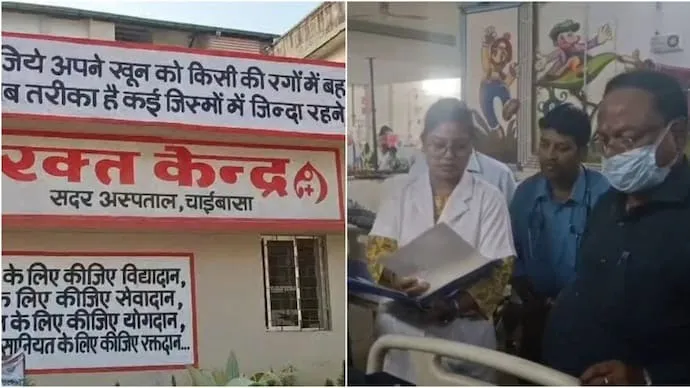
A disturbing case from Jharkhand has sent shockwaves through the state’s healthcare system after five children tested HIV-positive following blood transfusions at a government hospital. The incident has raised serious questions about blood screening protocols, administrative negligence, and overall public health safety. Authorities have launched an inquiry to determine how contaminated blood was supplied, while the hospital faces scrutiny for possible procedural violations. Public health experts have termed the case a “catastrophic failure of oversight,” urging urgent reform in blood bank management and accountability mechanisms to prevent such tragedies from recurring in India’s healthcare infrastructure.
---
A Tragic Healthcare Breach
In a deeply unsettling revelation, five children in Jharkhand were diagnosed with HIV after receiving blood transfusions at a state-run hospital. The children, all undergoing treatment for severe anemia and other chronic conditions, had been administered blood through the hospital’s transfusion unit—a process that should have been safeguarded by multiple screening layers.
Preliminary investigations suggest that lapses in blood testing and documentation may have allowed contaminated units to bypass safety checks. The tragedy has prompted outrage from families, activists, and health professionals alike, reigniting debate over India’s persistent gaps in medical infrastructure and regulatory enforcement.
---
Investigation Underway: Accountability in Question
Health authorities have ordered a comprehensive probe into the incident, forming a special committee to trace the origin of the contaminated blood. Early reports indicate that the infected blood may have come from external donors whose samples were not adequately screened for infectious diseases before transfusion.
Senior officials from the state health department have confirmed that samples from the blood bank, donors, and hospital staff are being examined to determine the chain of negligence. The hospital’s transfusion procedures, testing mechanisms, and recordkeeping are also under review to identify potential breaches in protocol.
The Civil Surgeon’s office has temporarily suspended the responsible laboratory technicians and administrative staff pending inquiry. Legal experts have suggested that criminal negligence charges could follow if human error or corruption is proven to have contributed to the contamination.
---
Systemic Failures in Blood Safety
This incident highlights long-standing systemic flaws in India’s public healthcare network—particularly in rural and semi-urban regions where infrastructure often lags behind national standards. According to medical safety guidelines, every blood sample must undergo mandatory testing for HIV, Hepatitis B, Hepatitis C, and syphilis before transfusion. However, inadequate manpower, outdated equipment, and poor supervision often compromise these critical procedures.
Healthcare analysts argue that while India has made progress in expanding access to safe blood, implementation gaps and accountability shortfalls remain severe. The Jharkhand case underscores the urgent need for modernized digital tracking systems and regular audits to ensure transparency and compliance in blood banks across the country.
---
Human Toll: Families Seek Justice
For the affected families, the consequences are devastating. Parents have expressed shock and anguish, demanding justice and immediate medical support for their children. The emotional and psychological trauma of such a diagnosis—especially among minors—is profound and lifelong.
Activists have called for comprehensive compensation packages and long-term medical assistance under state health schemes. Legal aid organizations are also stepping in to ensure that the victims’ families receive not only monetary relief but also continuous counseling and specialized care.
The State AIDS Control Society (SACS) has assured that antiretroviral treatment (ART) will be provided to the children free of cost and that their health will be monitored regularly under a dedicated medical supervision plan.
---
Expert Reactions: A Wake-Up Call for Public Health Reform
Medical experts and public health policy analysts have described the case as an avoidable tragedy that exposes deep-rooted vulnerabilities in healthcare governance. Dr. R. K. Sinha, a noted epidemiologist, stated that “blood transfusion safety is non-negotiable—it requires technological precision, human diligence, and institutional accountability.”
He added that such incidents could be prevented through automation in screening processes, better coordination between hospitals and certified blood banks, and regular third-party audits. Experts further emphasize that states must adopt real-time data systems to trace each unit of blood from donor to recipient, ensuring transparency at every step.
---
Government Response and Policy Implications
The Jharkhand government has promised swift action, directing district authorities to submit a detailed report within 72 hours. Officials are exploring the possibility of revising operational protocols across all government hospitals to prevent future lapses.
At the national level, the Union Health Ministry is expected to seek accountability reports from the state and reinforce existing blood safety guidelines. Policy analysts believe that the government must now prioritize digitalization and strict compliance audits to restore public confidence in the healthcare system.
The incident also highlights the urgent need for capacity-building initiatives—training technicians, improving testing infrastructure, and ensuring strict enforcement of medical ethics.
---
Conclusion: A Call for Accountability and Reform
The tragic case of the five HIV-positive children in Jharkhand is a grim reminder that healthcare safety cannot be compromised under any circumstance. While individual accountability is crucial, the larger failure lies in the systemic neglect of public health standards.
Ensuring that every drop of blood transfused in Indian hospitals is screened, tracked, and verified should be treated as a national priority, not an administrative formality. The victims’ suffering must serve as a catalyst for reform—one that demands transparency, modern technology, and unwavering oversight in every corner of the country’s healthcare system.
Until such accountability becomes institutionalized, India’s promise of “safe healthcare for all” will remain tragically out of reach.
Comments