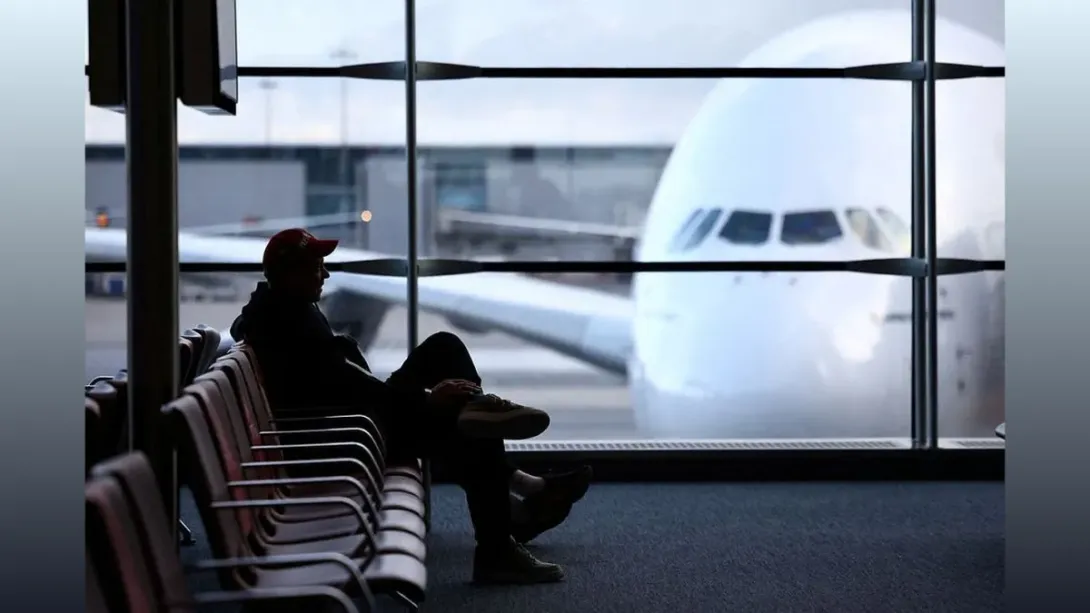
Air India announced the cancellation of a scheduled flight after a technical issue was detected on its Boeing Dreamliner aircraft, prioritizing passenger safety over operational schedules. Airlines and aviation experts emphasize that such proactive measures are crucial to maintaining airworthiness standards and ensuring public confidence. Passengers were promptly rebooked on alternate flights, and the airline is providing full support, including accommodations where necessary. Analysts note that while such disruptions are operationally challenging, they underscore the aviation sector’s stringent safety protocols and the importance of preemptive technical checks in modern aircraft management.
Details of the Incident
The affected flight, part of Air India’s domestic and international schedule, was grounded after routine pre-flight checks revealed a technical anomaly in the Dreamliner aircraft systems.
The airline immediately:
- Cancelled the flight to prevent operational risk
- Notified passengers and offered alternate arrangements
- Deployed engineering teams to inspect and resolve the issue
Officials emphasized that no safety compromise occurred, as the aircraft did not take off pending technical clearance.
Passenger Assistance and Compensation
Air India ensured passenger-centric solutions, including:
- Rebooking on the next available flights
- Accommodation and meal support for affected travelers
- Transparent communication through digital platforms and call centers
Customer service teams are actively addressing individual concerns, maintaining trust and minimizing inconvenience.
Operational and Technical Implications
Boeing Dreamliner aircraft, while technologically advanced, require high-precision monitoring and maintenance. Aviation analysts note that routine technical issues, when promptly addressed, prevent potential in-flight risks and strengthen regulatory compliance.
The incident reinforces the need for:
- Strict adherence to maintenance schedules
- Continuous monitoring of aircraft avionics and propulsion systems
- Coordination between operational and engineering teams
Industry Perspective
Experts highlight that such cancellations, though operationally disruptive, reflect mature safety protocols and risk management strategies in commercial aviation. Airlines worldwide routinely ground aircraft for preventive maintenance, ensuring that passenger safety remains the highest priority.
Moreover, transparency in communication and effective contingency planning help mitigate reputational impact while maintaining regulatory compliance.
Conclusion: Safety Over Schedule
Air India’s decision to cancel the Dreamliner flight demonstrates the primacy of safety in modern aviation operations. By swiftly addressing technical anomalies, the airline reinforces public confidence, upholds international safety standards, and ensures operational reliability.
While passengers experienced short-term inconvenience, the incident underscores the aviation sector’s commitment to risk management, preventive maintenance, and passenger-first operational policies.
Comments