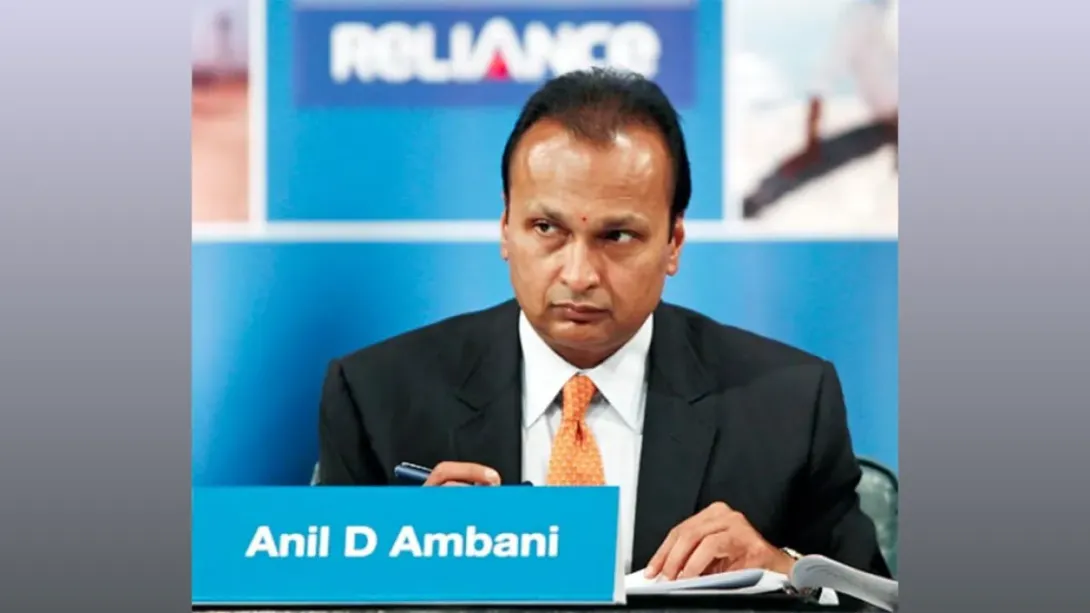
The High Court has dismissed Anil Ambani’s plea challenging the proceedings initiated by the State Bank of India (SBI) in a high-profile financial fraud case. The court’s decision marks a significant development in ongoing legal scrutiny over the Reliance Group’s financial dealings, reaffirming the banking regulator’s authority in pursuing recovery actions. Ambani, who has faced mounting financial and legal challenges, sought relief against alleged irregularities in loan disbursements and debt management. The ruling underscores the judiciary’s stringent stance on corporate financial accountability and reinforces the principle that corporate executives can be held personally answerable in complex banking disputes.
---
Legal Background and Case Overview
The case revolves around allegations of defaulted loans and financial irregularities linked to companies under the Reliance Group. SBI, India’s largest public sector bank, had initiated legal proceedings seeking recovery of dues amounting to several thousand crores of rupees. Anil Ambani approached the High Court to quash these proceedings, arguing procedural lapses and asserting his non-involvement in operational mismanagement. The court, after reviewing submissions from both parties, found no merit in the plea, thereby allowing SBI to continue with its recovery and legal actions unimpeded.
---
Implications for Corporate Governance
The dismissal sends a strong message about accountability in corporate governance. It reinforces the judiciary’s commitment to upholding financial regulations and ensuring that even high-profile corporate leaders are subject to scrutiny. Legal experts suggest that this ruling could influence similar cases, signaling that attempts to circumvent recovery processes or delay proceedings through judicial intervention are unlikely to succeed without substantial evidence.
---
Market and Investor Reactions
The financial markets and investors often watch developments in high-stake corporate litigation closely. While Ambani’s businesses have faced liquidity challenges in recent years, the court’s decision is likely to impact investor confidence and risk assessment frameworks for conglomerates with significant debt exposure. Analysts anticipate that banks and financial institutions may adopt stricter due diligence measures to safeguard against potential defaults, while corporate borrowers may need to enhance transparency in financial disclosures.
---
Conclusion
The High Court’s rejection of Anil Ambani’s plea represents a pivotal moment in India’s corporate legal landscape. It underscores the judiciary’s proactive role in enforcing financial accountability and reaffirms that legal avenues for challenging recovery processes are narrowly construed. For corporate India, the ruling serves as a reminder that financial prudence and adherence to regulatory norms remain non-negotiable, irrespective of an individual’s stature or influence.
Comments