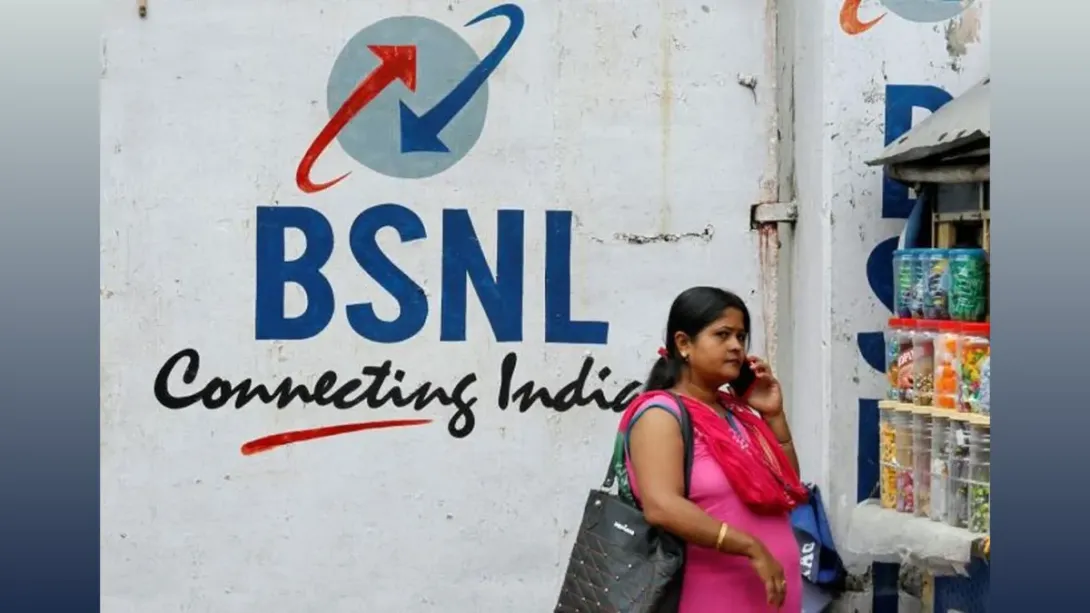
India has taken a decisive step toward strengthening its digital infrastructure with the official launch of BSNL’s 4G services by the Prime Minister. The long-awaited rollout is positioned as a cornerstone of the country’s ambition to become a global telecom hub while providing affordable and reliable connectivity across urban and rural landscapes. With this move, India seeks not only to bridge the digital divide but also to set the stage for an eventual 5G transition, reducing dependence on foreign technology and boosting indigenous innovation in the telecommunications sector.
Strengthening India’s Digital Backbone
The introduction of BSNL’s 4G services marks a turning point in India’s telecom journey. While private operators have dominated the 4G market for years, the entry of a state-owned player promises to level the field and widen access to underserved communities. By modernizing its network capabilities, BSNL is expected to reach millions of citizens in remote areas who have long struggled with limited connectivity.
The government has emphasized that this initiative is not merely about catching up with global peers but about creating a robust domestic telecom ecosystem. The deployment reflects a broader national strategy aimed at digital inclusion, ensuring that affordable internet access is treated as a fundamental driver of economic growth and social development.
Driving Indigenous Innovation
One of the most significant aspects of this rollout is the reliance on homegrown technology. Unlike earlier phases of India’s telecom expansion, BSNL’s 4G network is being developed with substantial contributions from indigenous firms. This shift reduces dependence on foreign vendors and enhances national security in a sector that has become critical for both economic and strategic reasons.
The adoption of domestic solutions also underscores the government’s “Atmanirbhar Bharat” vision, encouraging local innovation while supporting India’s burgeoning technology sector. Analysts believe that the success of this model could set a precedent for future 5G and 6G deployments, positioning India as not just a consumer but also a contributor in the global telecom landscape.
Economic and Social Implications
The expansion of affordable 4G connectivity carries broad economic implications. For rural India, enhanced mobile broadband is expected to unlock opportunities in e-commerce, telemedicine, online education, and financial inclusion. This, in turn, could drive new employment avenues, improve productivity, and empower local businesses to access broader markets.
From a macroeconomic perspective, the rollout strengthens India’s digital economy, which has become a central pillar of its growth trajectory. The move is also expected to enhance competitiveness in the global telecom league, aligning India with advanced digital economies while maintaining affordability for its vast population.
Preparing the Ground for 5G
Although the launch of 4G services may appear belated in an era where 5G is rapidly advancing worldwide, it serves as a critical preparatory step. BSNL’s strengthened 4G infrastructure will provide the foundation for future 5G deployments, ensuring a smoother transition and wider coverage.
Experts note that the true significance of this development lies not in matching global timelines but in ensuring sustainable, inclusive growth. By prioritizing domestic innovation and accessibility, India is charting a telecom path uniquely aligned with its demographic and economic realities.
Conclusion
The launch of BSNL 4G services is more than a technological milestone; it is a statement of intent. India is signaling its readiness to bridge the digital divide, empower its citizens, and play a meaningful role in shaping the future of global telecommunications. As the country continues its march toward a digitally connected society, BSNL’s revival could emerge as both a symbol of resilience and a catalyst for transformation in the nation’s telecom landscape.
Comments