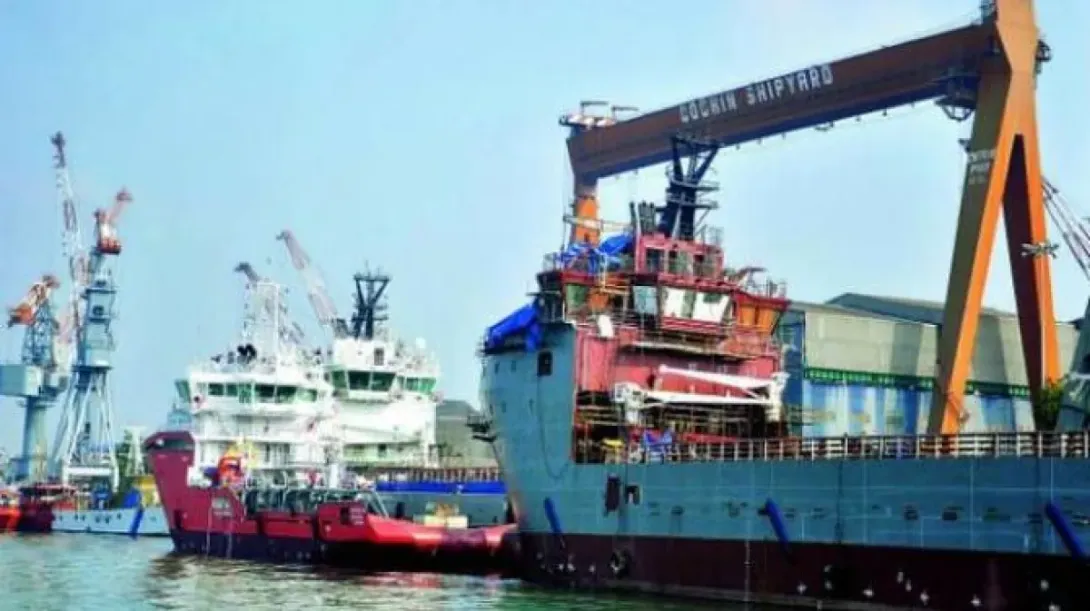
Cochin Shipyard Limited (CSL) is set to transform Tamil Nadu’s maritime landscape with a landmark investment of Rs 15,000 crore to establish a state-of-the-art shipyard. This strategic initiative aims to bolster domestic shipbuilding capabilities, enhance export potential, and generate substantial employment opportunities in the region. Positioned to cater to both commercial and defense sectors, the shipyard underscores India’s ambition to strengthen its maritime infrastructure and reduce reliance on imports. Beyond industrial growth, the project is expected to catalyze ancillary industries and promote skill development, marking a significant milestone in the nation’s broader Make-in-India and maritime self-reliance objectives.
Strategic Expansion to Tamil Nadu
CSL’s decision to invest Rs 15,000 crore in Tamil Nadu marks a critical step in India’s maritime ambitions. The new shipyard will be equipped with advanced shipbuilding technologies, enabling the construction of sophisticated vessels for both commercial shipping and defense applications. By strategically situating the facility on the east coast, CSL aims to improve logistics efficiency, optimize supply chains, and reduce turnaround times for ship production. The expansion also reflects the government’s push to develop regional maritime hubs, promoting economic decentralization and industrial growth outside traditional centers.
Economic and Employment Impact
The project is expected to create thousands of direct and indirect employment opportunities, spanning skilled labor, engineering, and ancillary services. Beyond job creation, the shipyard will stimulate local industries, including steel, electronics, and maritime equipment manufacturing, thereby generating a multiplier effect on the state’s economy. Skill development initiatives and training programs are anticipated to prepare the workforce for technologically advanced shipbuilding roles, contributing to human capital enhancement in Tamil Nadu.
Strengthening National Maritime Capability
CSL’s new facility aligns with India’s broader strategic objectives of maritime self-reliance. By expanding domestic shipbuilding capacity, the initiative reduces dependency on foreign suppliers, ensuring timely delivery of vessels crucial for defense and trade. The facility will likely support the construction of next-generation vessels, including cargo ships, tankers, and naval vessels, reinforcing India’s standing as a competitive player in the global shipbuilding sector.
Environmental and Technological Considerations
Modern shipbuilding demands adherence to stringent environmental norms. CSL plans to integrate sustainable practices and adopt cutting-edge green technologies in ship production. This approach includes energy-efficient processes, waste management systems, and emission reduction strategies, underscoring a commitment to eco-conscious industrial development. Additionally, the facility is expected to leverage automation and digital shipbuilding techniques, enhancing precision, reducing production timelines, and minimizing operational risks.
Future Outlook
The Tamil Nadu shipyard project represents a transformative investment in India’s maritime infrastructure, blending economic, strategic, and technological objectives. By combining large-scale industrial growth with employment generation and environmental responsibility, CSL is setting a benchmark for the future of Indian shipbuilding. The Rs 15,000 crore initiative not only strengthens the nation’s maritime self-sufficiency but also positions Tamil Nadu as a pivotal hub in the country’s maritime industrial landscape.
Comments