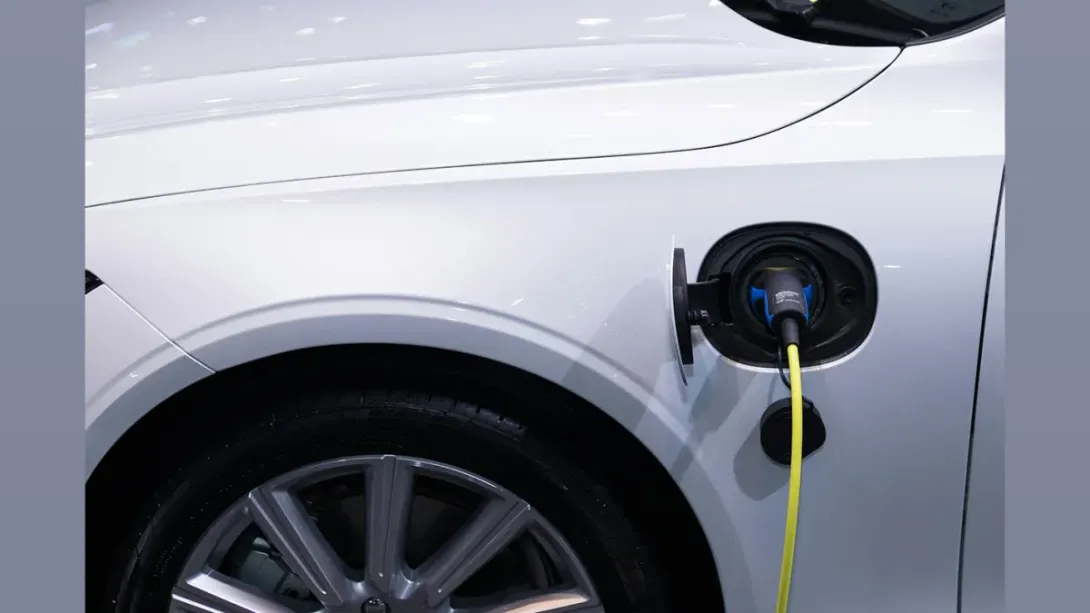
In a strategic push toward decarbonizing its logistics operations, Hindustan Zinc has announced the deployment of electric vehicles (EVs) and liquefied natural gas (LNG)-powered trucks across its value chain. This initiative marks a major step in the company's broader sustainability roadmap aimed at reducing carbon emissions and aligning with India's energy transition goals. By integrating cleaner fuels into its supply chain, the mining giant is positioning itself as a leader in sustainable logistics within the metals and mining industry. The move also reinforces its commitment to ESG (Environmental, Social, and Governance) principles and net-zero ambitions.
A Greener Shift in Industrial Logistics
Hindustan Zinc, one of India’s largest producers of zinc, lead, and silver, has rolled out a fleet of electric and LNG-powered trucks to transport raw materials and finished products. This marks a shift from conventional diesel logistics, which have long contributed to high carbon intensity in mining supply chains.
The company’s decision to transition toward cleaner fuel alternatives stems from both regulatory foresight and environmental responsibility. The initiative is expected to significantly reduce the carbon footprint associated with its inbound and outbound logistics operations.
Strategic Role of EVs and LNG in Emission Reduction
Electric vehicles will primarily be used for short-haul movements within plant premises and nearby routes, offering zero tailpipe emissions and minimal operational noise. These are especially useful in urban and semi-urban corridors where noise and air pollution are of growing concern.
Meanwhile, the introduction of LNG-powered trucks caters to long-haul transportation. LNG, known for producing lower emissions of carbon dioxide, sulfur oxides, and nitrogen oxides compared to diesel, represents a viable intermediate solution on the path toward full electrification of commercial freight.
Combined, these technologies are expected to cut down greenhouse gas emissions by a substantial margin while improving energy efficiency across the board.
Scaling Clean Transportation Through Partnerships
To operationalize the green fleet, Hindustan Zinc is collaborating with logistics partners and technology providers for the deployment of advanced vehicle systems and fueling infrastructure. The company is also leveraging telematics and real-time monitoring tools to track vehicle performance, fuel efficiency, and emissions data.
Such partnerships are essential in overcoming initial barriers, such as limited charging and refueling infrastructure, while enabling scale and replicability. The pilot phase is being closely monitored, with plans to gradually increase the share of low-emission vehicles in its fleet over the next several quarters.
Aligning with National and Global Climate Goals
This initiative aligns with India’s broader targets under the National Electric Mobility Mission and the roadmap to achieve net-zero emissions by 2070. For the mining and heavy industry sectors, which are typically energy-intensive, such a transition is crucial to remain aligned with global environmental benchmarks and investor expectations.
Hindustan Zinc’s move also supports the ambitions of its parent company to embed sustainability across all verticals—from sourcing to transportation and end-use. As ESG criteria increasingly influence capital allocation and market valuation, this proactive strategy may offer long-term business advantages.
Conclusion
By integrating EVs and LNG-powered trucks into its logistics framework, Hindustan Zinc is taking a forward-looking stance on sustainable supply chain management. This is more than a symbolic gesture—it’s a calculated step toward operational resilience, cost efficiency, and environmental stewardship. As climate consciousness becomes central to industrial strategy, such initiatives could well set the tone for the broader mining sector's transition to a greener future.
Comments