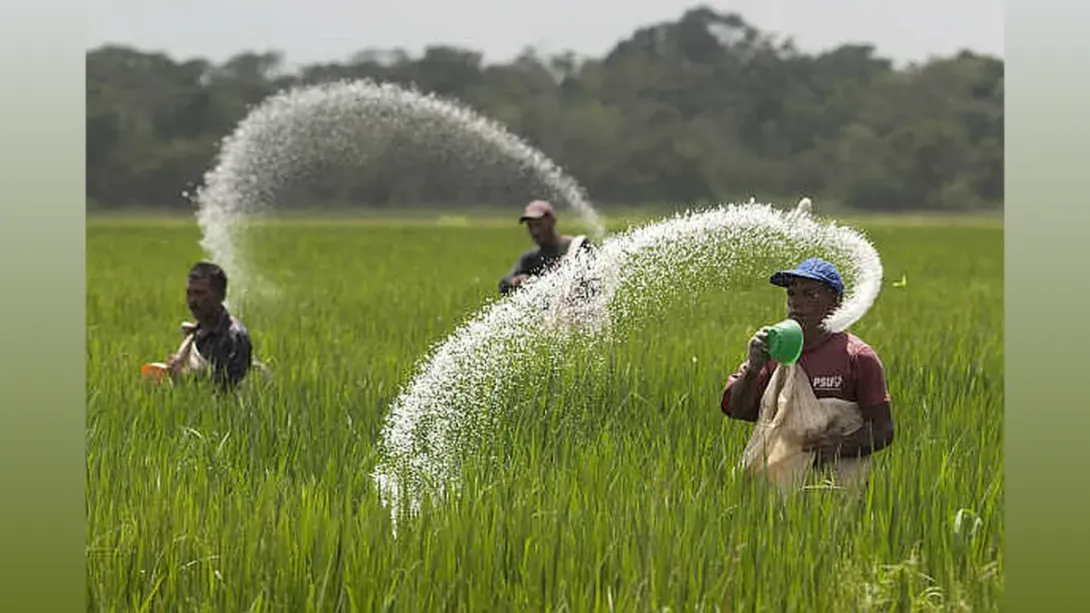
India is set to significantly ramp up its domestic production of nano urea, a next-generation fertilizer technology, by establishing three additional manufacturing facilities. The move aligns with the government's broader mission to promote sustainable agriculture, reduce the country’s dependence on conventional urea, and cut import costs. These upcoming units, spearheaded by Indian Farmers Fertiliser Cooperative (IFFCO), are expected to boost annual nano urea output, improve nutrient efficiency in crops, and support eco-friendly farming practices across the country. The expansion marks a pivotal step in India’s transition towards more efficient and environmentally responsible agricultural inputs.
A Strategic Shift Toward Nano Fertilizers
India’s agricultural policy is witnessing a major transformation with the introduction of new nano urea manufacturing plants. The three planned facilities are part of a concerted effort to scale up production of liquid nano urea—a high-efficiency, low-quantity fertilizer alternative to traditional granular urea.
This strategic shift supports India's goal of reducing chemical fertilizer usage while enhancing crop yield and farmer income. Nano urea, developed indigenously, offers an impressive nutrient delivery rate, with a single 500 ml bottle potentially replacing a full 45 kg bag of conventional urea. Its small molecular size allows for direct absorption by plant leaves, reducing soil degradation and nitrogen runoff.
Location and Production Capacity
The three new plants will join the ranks of existing nano urea production centers already operational in Gujarat and Uttar Pradesh. While the specific locations of the new units are yet to be disclosed, they are expected to be strategically distributed to serve different agricultural zones efficiently.
Each plant is likely to have a production capacity of approximately 6 crore bottles per year, collectively raising the national output to over 25 crore bottles annually. This scale-up will not only meet the growing domestic demand but also position India as a potential exporter of nano fertilizers in the future.
Economic and Environmental Impact
The expansion of nano urea production has profound economic and environmental implications. From a fiscal standpoint, it is projected to reduce India’s urea subsidy burden substantially. The government spends more than Rs. 1 lakh crore annually on fertilizer subsidies, with a large portion allocated to urea. By replacing bulkier and less efficient granular urea with nano alternatives, India stands to save thousands of crores in import bills and logistics costs.
Environmentally, the use of nano urea curbs over-application of nitrogen, a leading cause of soil pollution and greenhouse gas emissions. Its efficient uptake by plants minimizes leaching into water bodies, thus preserving aquatic ecosystems and improving overall soil health.
Adoption and Farmer Response
Since its commercial rollout in 2021, nano urea has witnessed growing acceptance among Indian farmers. Educational campaigns, field trials, and government-supported distribution channels have played a critical role in building trust in this novel product. Farmers report improved crop vigor, reduced fertilizer input costs, and minimal environmental harm, fueling wider adoption across multiple states.
The government continues to promote its usage through Krishi Vigyan Kendras (KVKs), cooperatives, and digital platforms, ensuring that nano urea reaches even the most remote agricultural regions.
Future Outlook
The decision to expand nano urea production signals India’s long-term commitment to transforming its agriculture sector. As climate concerns mount and the need for food security intensifies, the role of technology-driven, sustainable inputs becomes increasingly critical.
The new facilities will not only meet rising domestic demand but also serve as a springboard for India’s aspirations to become a global hub for green agricultural solutions. If successfully scaled and integrated, nano urea could become a model for other developing nations seeking to balance productivity with environmental stewardship.
Comments