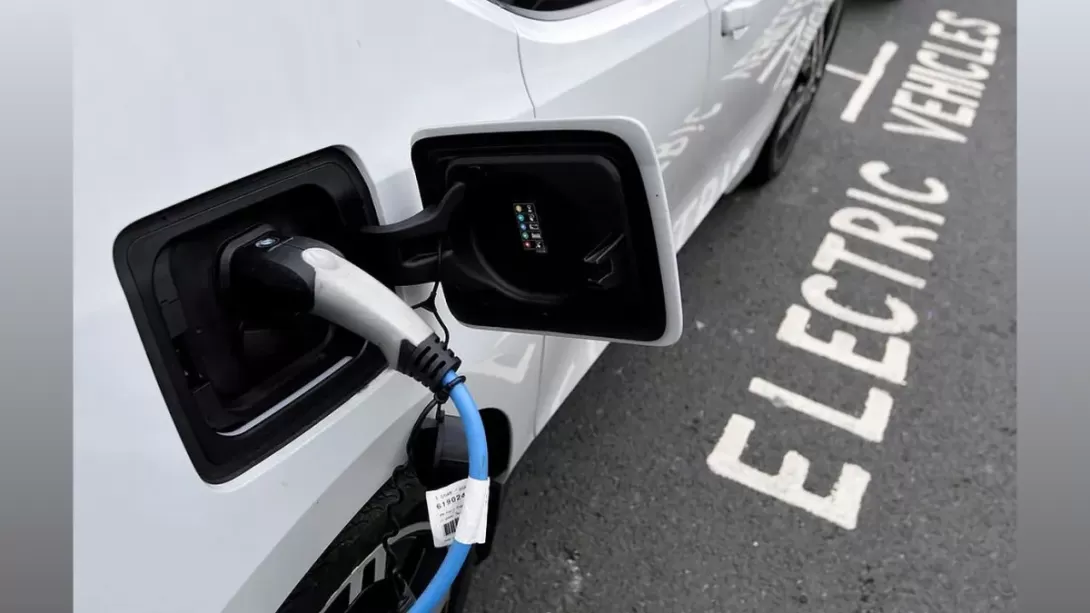
India’s diesel consumption growth has slowed to its lowest rate since the pandemic, reflecting the impact of a decelerating economy and a shift towards cleaner fuels. Diesel consumption in the 2024-25 fiscal year rose just 2% to 91.4 million tonnes, down significantly from previous years. While diesel still dominates the transportation sector, electric vehicles (EVs) are reshaping the demand dynamics, particularly in urban areas. The shift is also being driven by large logistics companies transitioning to electric fleets. As the economy and energy consumption patterns evolve, India’s petroleum consumption is showing a broader trend towards slower growth.
Slower Diesel Consumption Growth Reflects Broader Economic Trends
India’s diesel consumption growth, a key barometer of economic activity, has significantly decelerated, marking the slowest pace since the pandemic. For the fiscal year 2024-25 (April 2024 to March 2025), diesel consumption grew by only 2% to 91.4 million tonnes, according to provisional data from the Petroleum Planning and Analysis Cell (PPAC) of the Oil Ministry. This represents a sharp slowdown compared to the 4.3% growth in 2023-24 and a 12.1% increase in 2022-23.
The moderate demand growth is reflective of a broader economic slowdown in India, where growth has been slower than expected. Diesel is traditionally used to power key sectors such as road transport, agriculture, and logistics. While still accounting for around 40% of the country’s total oil consumption, the demand for diesel has faced pressures from both economic conditions and changing energy consumption trends, notably the rise of electric vehicles (EVs).
Electric Vehicles (EVs) Begin Reshaping the Diesel Market
One of the most significant factors contributing to the slowdown in diesel demand is the accelerating adoption of electric vehicles (EVs) across India. Diesel still powers a large share of the country's transport sector—about three-fourths—but the increasing shift to EVs is beginning to curb consumption, especially in urban areas. In major cities like Delhi and Mumbai, electric buses are being rapidly integrated into public transport fleets, and electric auto-rickshaws are taking over in many tier-2 and tier-3 cities. This shift directly reduces diesel use in urban mobility.
The logistics sector, a major consumer of diesel for delivery fleets, is also witnessing a similar transformation. E-commerce giants such as Amazon, Flipkart, and BigBasket are transitioning their delivery fleets to EVs. This move is cutting down diesel consumption, particularly in vans and light commercial vehicles (LCVs), which have traditionally been reliant on diesel.
The rapid growth of electric vehicles and their adoption in sectors previously dominated by diesel signifies a transformative shift in India’s energy and transport landscape. The growth of electric vehicles is expected to continue reshaping the demand for diesel, even as consumption remains high in certain areas.
Other Fuel Trends: Mixed Growth in Petroleum Products
While diesel’s growth has moderated, other petroleum products have seen notable increases. Petrol consumption, for example, rose by 7.5% to 40 million tonnes during the 2024-25 fiscal year, reflecting higher demand in the personal transport sector. Additionally, LPG demand rose by 5.6% to 31.32 million tonnes, driven by increased use in domestic cooking and commercial sectors.
The aviation sector showed a strong recovery, with jet fuel consumption jumping nearly 9% to 9 million tonnes, aligning with a surge in air travel as post-pandemic mobility rebounded. However, other petroleum products faced declining demand. Naphtha, used as an industrial fuel, saw a decrease of 4.8%, and fuel oil consumption dipped by almost 1%. Bitumen, used in road construction, also experienced a 5.4% reduction in consumption.
Slower Overall Petroleum Demand Growth
The overall petroleum consumption in India saw a 21% increase, totaling 239.171 million tonnes, though this growth rate was slower compared to previous years. In the 2023-24 fiscal year, India’s oil demand grew by 5%, and in 2022-23, it surged by 10.6%. The slower growth in 2024-25 indicates a broader trend of moderation in demand for petroleum products as both the Indian economy and energy consumption patterns evolve.
This marks the slowest oil demand growth in a decade, excluding the pandemic years of 2019-20 and 2020-21, during which consumption plummeted due to nationwide lockdowns.
Projections for 2025: A Modest Recovery Expected
Looking ahead, PPAC has projected a 5.7% growth in oil demand for the 2025-26 fiscal year, with total consumption expected to reach nearly 253 million tonnes. Diesel consumption is expected to rise by 3% to 94.1 million tonnes, while petrol demand is projected to increase by 6.5% to 42.63 million tonnes.
Despite the expected recovery, the trends suggest a continuing shift in India’s energy mix, driven by the growing adoption of EVs and more stringent environmental regulations. As the transportation sector continues its transition toward cleaner energy sources, the long-term outlook for diesel demand may be subdued, while other fuels like petrol and jet fuel may see continued growth.
Conclusion: The Future of India’s Energy Landscape
India’s energy consumption patterns are undergoing a significant transformation, with slower growth in diesel demand reflecting both economic slowdowns and shifts towards greener technologies. The rise of electric vehicles in both the public transport and logistics sectors is reshaping the energy landscape, heralding a new era of cleaner, more sustainable energy consumption.
The government and industry will need to closely monitor these shifts and invest in infrastructure and innovation to support the transition to cleaner energy sources while balancing the demand for conventional fuels. As the energy sector adapts to these new realities, India’s petroleum consumption will likely continue to evolve, marked by increasing efficiency, technological innovation, and a continued shift towards sustainability.
Comments