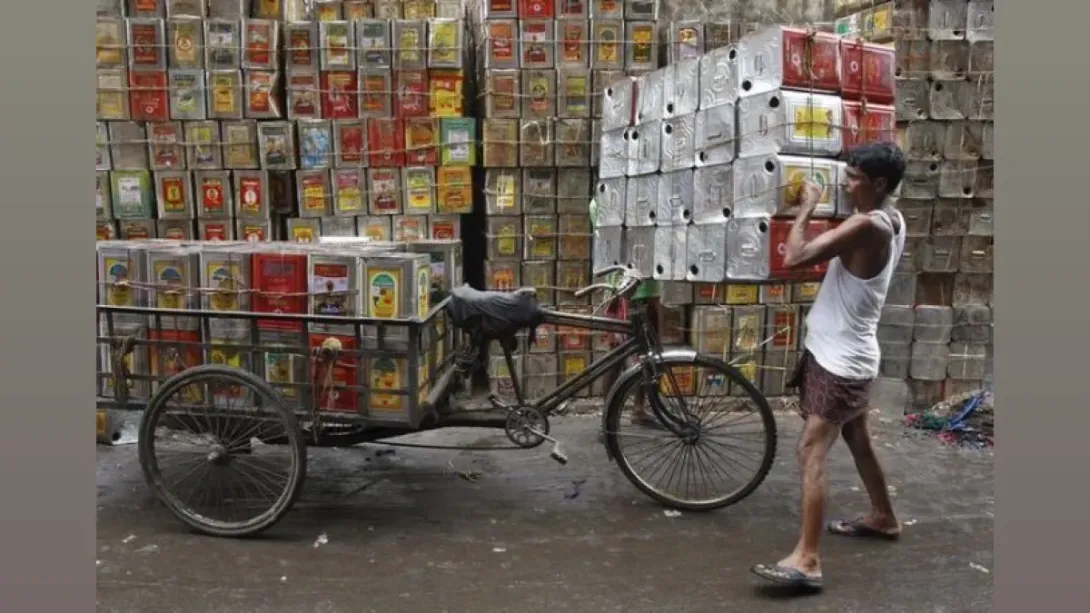
In response to mounting concerns over vessel congestion and delays in edible oil imports, Gujarat’s Kandla Port has committed to streamlining its operational infrastructure and enhancing coordination with industry stakeholders. The initiative follows a high-level meeting between the Indian Vegetable Oil Producers' Association (IVPA) and Kandla Port authorities, during which specific measures were outlined to ensure continuous, cost-efficient movement of palm and other edible oils. As one of India’s key entry points for vegetable oil imports, Kandla’s proactive response underscores the strategic importance of logistics agility in safeguarding national food security.
Strategic Intervention to Ease Vessel Bottlenecks
Kandla Port, one of India’s busiest maritime gateways for edible oil imports, has witnessed recurring vessel congestion in recent months, with ships—particularly those carrying crude palm oil from Indonesia—reportedly delayed in discharge due to infrastructure and procedural inefficiencies. In a recent meeting with IVPA representatives, Port Chairman Sushil Kumar Singh assured stakeholders of targeted infrastructure upgrades and policy continuity aimed at mitigating the crisis.
Instead of re-anchoring ships awaiting berths—a move that adds time and cost—Singh confirmed the port’s decision to maintain the current penalty-based system for delayed discharges. This approach incentivizes faster turnaround without incurring the logistical burden of repositioning vessels.
Infrastructure Enhancements and Pipeline Expansion
To address structural constraints, the port administration has committed to constructing new 14-inch pipelines dedicated to edible oil handling. Additionally, two more berths will soon be equipped to manage edible oil discharge through specialized pipeline systems. These upgrades are expected to significantly augment the port's capacity to handle large-scale imports more efficiently.
Such infrastructural developments are critical as India remains the world's largest importer of edible oils, with palm oil comprising a dominant share. Kandla Port alone handles a considerable portion of this traffic, making reliability in its operations vital to national supply chains.
Operational Coordination and Industry Collaboration
Singh also highlighted the importance of enhanced coordination between port authorities and importers. In particular, he urged vessel agents to preemptively report potential complications—either prior to vessel arrival or during daily berthing briefings—to ensure quicker resolution and minimal dwell time.
The port has extended a collaborative platform to stakeholders such as surveyors, terminal operators, and customs brokers, encouraging continuous feedback to refine discharge protocols. This inclusive approach is designed to foster real-time decision-making, reduce bottlenecks, and uphold transparency across the supply chain.
Implications for India’s Edible Oil Ecosystem
As a country heavily reliant on imported edible oils, any disruption at critical ports like Kandla could ripple through the food processing industry and ultimately affect consumer pricing. With rising global demand and fluctuating international freight conditions, ports must ensure seamless and cost-effective import handling.
By proactively investing in infrastructure and improving procedural responsiveness, Kandla Port positions itself as a resilient logistical node in India’s agri-import framework. This development could also set a precedent for other ports grappling with similar high-demand commodities.
Conclusion
Kandla Port’s swift measures to resolve congestion and bolster edible oil handling reflect a broader recognition of port infrastructure as a cornerstone of economic and food security. Through both hardware expansion and stakeholder engagement, the port aims not just to unclog its current traffic but to build a future-ready operational model that sustains India's growing consumption needs in a globally competitive environment.
Comments