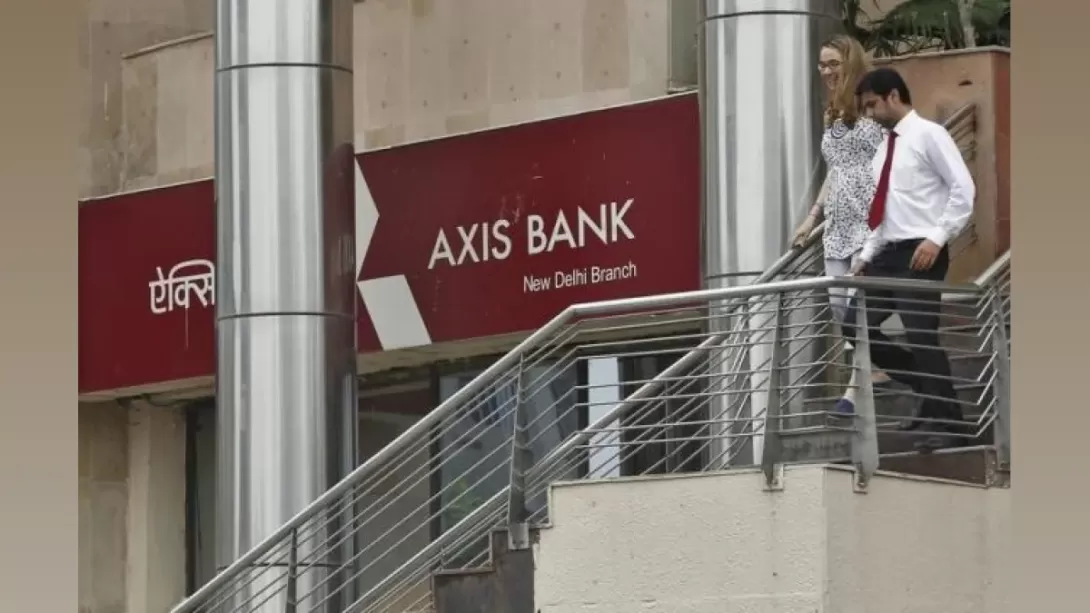
Major Indian banks and global card networks, including ICICI Bank, Axis Bank, and Mastercard, are re-evaluating their partnership with DreamFolks Services Ltd—a leading aggregator of airport lounge services—following a service disruption in September 2024 that left thousands of travelers stranded at airports. The event, which affected lounge access at over 30 Indian airports, has prompted banks to explore direct collaborations with airport operators. While DreamFolks still claims a dominant market share in the lounge aggregation space, increasing competition and questions around reliability may now challenge its position in the high-value travel services sector.
Background: The Disruption That Sparked a Strategic Shift
On September 22, 2024, a significant system failure disrupted DreamFolks Services Ltd's operations across multiple Indian airports, leading to the temporary suspension of lounge access for a vast number of debit and credit card users. According to industry estimates, at least 49 lounges across 34 airports were affected. Although services resumed the following day, the impact on consumer confidence and client relationships was profound.
Travel Food and Services (TFS), which operates lounges in Kolkata and Chennai, reportedly considered legal action, underscoring the severity of the fallout. Adani Group, which manages seven airports, publicly accused DreamFolks of violating its service agreements—a rare move that further highlighted tensions in the sector.
Banks and Card Networks Chart a New Course
In the aftermath of the disruption, prominent institutions such as ICICI Bank, Axis Bank, and Mastercard began exploring alternatives. Sources close to the matter suggest that these companies are now favoring direct agreements with lounge operators, bypassing third-party aggregators like DreamFolks. Some, including American Express, have already shifted to Adani Digital for managing lounge access at airports operated by Adani.
The growing sentiment among banking stakeholders is that direct control over customer experience—especially for premium travel services—is too critical to delegate without robust safeguards.
DreamFolks’ Market Dominance Faces Pressure
DreamFolks has long been the dominant player in India’s airport lounge aggregation space, claiming a 90% market share in domestic access for credit and debit cardholders. The company’s platform bridges banks, card networks, and airlines with service providers across airports, offering a bundled package that includes lounges, spa services, meet-and-assist, and airport transfers.
While its positioning has been pivotal in the past, the events of September 2024 have cast a shadow over its reliability. The fact that key stakeholders are now actively seeking to bypass the aggregator model may signal a long-term threat to DreamFolks' core business.
Financial Performance and Strategic Realignment
For the fiscal year 2024–25, DreamFolks reported a 14% year-on-year revenue growth, reaching Rs. 1,292 crore. However, the company's net profit slipped by 5% to Rs. 65 crore, hinting at rising operational challenges and potentially thinning margins.
In response, the company has stated its intent to diversify revenue streams by expanding into non-lounge services, including airport F&B, spa and wellness, concierge assistance, and transportation services. While diversification is a prudent move, retaining its core clientele—banks and card networks—will be crucial to stabilizing growth.
Industry Outlook: A Changing Competitive Landscape
Airport lounge services, once considered a commoditized offering, are fast becoming a battleground for customer experience and loyalty among financial institutions. As more banks pivot toward bespoke partnerships with airport operators, aggregators like DreamFolks may need to adopt a hybrid model that offers both scale and accountability.
At the same time, digital platforms operated by infrastructure giants like Adani and GMR may increasingly attract banks seeking transparency, control, and seamless integration.
The lounge aggregation business is no longer simply about access; it is about trust, brand alignment, and technological resilience. DreamFolks’ future in this space will hinge on its ability to modernize its systems, fortify its service commitments, and rebuild institutional confidence.
Final Thoughts:
The shift away from DreamFolks is more than a response to a single disruption—it is a reflection of evolving expectations in customer experience, driven by premium clientele and digitally mature financial institutions. As India’s airport infrastructure and consumer demands continue to grow, the players who can marry convenience with consistency will command the loyalty of both banks and travelers.
Comments