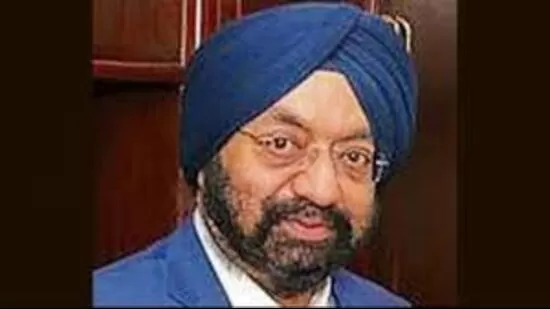
In a significant move toward repairing bilateral relations, India and Canada have agreed to reinstate diplomatic representation by appointing new high commissioners, signaling a fresh chapter in their engagement. The development was welcomed by Rajya Sabha member Vikramjit Singh Sahney, who highlighted its potential to alleviate challenges faced by Indian citizens abroad, particularly Non-Resident Indians (NRIs) struggling with visa delays. Beyond the diplomatic symbolism, the renewed dialogue could invigorate economic ties, with bilateral trade having reached over Rs. 68,000 crore ($8.2 billion) in 2024 and Canadian investments in India surpassing Rs. 4.6 lakh crore ($55 billion).
Diplomatic Restoration: A Strategic Reset
The announcement of restored diplomatic ties between New Delhi and Ottawa marks a critical inflection point in India-Canada relations, which had experienced a period of notable strain. The appointment of new high commissioners by both Prime Minister Narendra Modi and his Canadian counterpart Mark Carney underscores a mutual willingness to reset and reengage through institutional diplomacy.
The move aims to restore regular dialogue and ease bureaucratic challenges for cross-border engagement, particularly in consular services. Sahney, reflecting the sentiments of many in the diaspora, described this as a “moment of much-needed reset,” noting that Indian nationals have been grappling with restricted access to consular and visa services for months.
Easing the Burden on the Indian Diaspora
One of the immediate benefits of the diplomatic thaw is expected to be the resumption of normal visa processing for Indian citizens and NRIs. Delays and disruptions in recent months have caused widespread concern among families separated by visa backlogs and travel constraints.
Sahney emphasized that restored diplomatic staffing would be pivotal in ensuring timely service delivery for those seeking to visit relatives, attend family events, or manage affairs in India. With a large Punjabi and broader Indian community residing in Canada, particularly in provinces like British Columbia and Ontario, the reopening of full-scale consular operations holds personal and practical significance.
Strengthening Economic Ties: Untapped Potential
While diplomacy is being mended, the economic undercurrents between the two nations remain strong and potentially transformative. India-Canada bilateral trade reached Rs. 68,000 crore ($8.2 billion) in 2024, a figure poised for further growth given improved political rapport. Canadian investments in India, which currently exceed Rs. 4.6 lakh crore ($55 billion), span sectors such as infrastructure, clean energy, education, and financial services.
Sahney noted that this renewed engagement provides an opportunity to deepen cooperation in sectors critical to both economies—particularly technology, agri-business, and sustainability. The agreement also creates a platform for reinitiating discussions on the long-pending Comprehensive Economic Partnership Agreement (CEPA), which could further liberalize trade and investment flows.
A Cautious but Optimistic Road Ahead
While the decision to reinstate diplomatic presence is a welcome first step, rebuilding trust will require sustained engagement and resolution of underlying tensions. Mutual respect for sovereignty, legal norms, and internal political concerns will likely shape the contours of future negotiations.
Nonetheless, the consensus to reappoint high commissioners sets a positive tone for a pragmatic and mutually beneficial partnership. With a significant Indian diaspora in Canada and complementary economic interests, the relationship—once defined by mistrust—has the opportunity to mature into a model of cross-cultural and economic collaboration.
Conclusion
The decision to restore full diplomatic representation between India and Canada is more than a symbolic gesture—it marks the beginning of a renewed effort to bridge political divides and unlock economic potential. As policymakers on both sides move forward with cautious optimism, stakeholders ranging from business leaders to ordinary citizens stand to benefit from this long-overdue diplomatic détente.
Comments