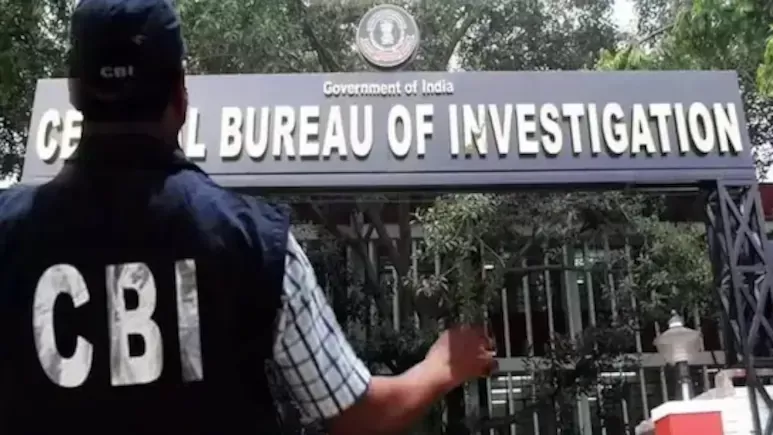
The Central Bureau of Investigation (CBI) has launched an extensive inquiry into allegations of corruption involving a senior executive from Shapoorji Pallonji Infrastructure Gujarat Private Ltd and a top Income Tax official. The case centers on an alleged Rs. 1.20 crore bribe demand, of which Rs. 85 lakh was reportedly paid to influence a tax appeal ruling. With multiple arrests already made—including that of the Commissioner of Income Tax and intermediaries—the CBI is now turning its attention to the corporate hierarchy to identify who authorized the payments and assess the broader implications of the scheme.
Corporate Executive, Tax Official Arrested in Widening Bribery Case
The CBI has detained Viral Kantilal Mehta, Deputy General Manager (Taxation) at Shapoorji Pallonji Infrastructure Gujarat Private Ltd, for allegedly facilitating a bribe to secure a favorable verdict in a taxation appeal. Mehta is accused of paying Rs. 85 lakh in two tranches—Rs. 15 lakh initially, followed by a second payment of Rs. 70 lakh on May 9—to middlemen acting on behalf of Jeevan Lal Lavidiya, a senior Income Tax Commissioner.
Lavidiya, a 2004-batch Indian Revenue Service officer, was arrested alongside Mehta and four others, including alleged intermediaries and collaborators involved in the transaction.
Allegations Point to Senior-Level Sanction Within the Company
According to the First Information Report (FIR) filed by the CBI, Mehta explicitly sought managerial approval before disbursing the alleged bribe. The FIR quotes an internal source who claimed that the company’s management granted Mehta permission to pay the remaining Rs. 70 lakh to Lavidiya. This critical detail has prompted investigators to widen their probe and examine the involvement of senior company officials who may have authorized or enabled the transaction.
Officials said, “It needs to be examined who cleared the payment of such a large amount. The role of everyone involved in the conspiracy will be scrutinized.”
Corporate Response and Internal Probe
Following the arrests, Shapoorji Pallonji Group issued a formal statement distancing itself from the alleged misconduct. The company emphasized that the accused employee acted without organizational approval and that the incident contradicts its ethical standards. "The alleged conduct was not with the knowledge of the Group, nor was it sanctioned by it," the company said.
In addition, the conglomerate has initiated an internal investigation to assess the incident and has pledged full cooperation with the authorities.
Broader Pattern of Corruption Under Investigation
The case appears to be part of a larger web of corruption allegedly orchestrated by Lavidiya during his tenure as Commissioner of Income Tax (Exemption), Hyderabad, while holding additional responsibilities in appellate units. The FIR suggests Lavidiya may have accepted various forms of illicit gratification from multiple companies.
Among the more serious allegations is that Lavidiya accepted a Mumbai flat worth Rs. 2.5 crore—registered under a frontman—as a bribe from NDW Development Corporation LLP. In other cases, the officer allegedly secured bribes of Rs. 20 lakh and Rs. 15 lakh from Ventura Securities Ltd. and another Mumbai-based entity, respectively.
The bribes were often routed through hawala operators, with payments laundered via bank accounts of close associates to obscure the money trail.
Implications and Legal Ramifications
This case underscores persistent systemic vulnerabilities in India’s tax adjudication framework, particularly concerning the appeals process. If proven, the allegations not only tarnish the reputations of those directly involved but could also prompt broader regulatory and compliance overhauls across corporate India.
The investigation is ongoing, and further interrogations, particularly of Shapoorji Pallonji Infrastructure's senior leadership, are expected in the days ahead. The outcome could have significant implications for both public trust in tax authorities and corporate governance standards within India’s leading infrastructure conglomerates.
Conclusion
The unfolding investigation involving Shapoorji Pallonji Infrastructure Gujarat and a high-ranking tax official highlights the gravity of corruption in corporate-tax authority interactions. With the CBI intensifying its scrutiny and corporate compliance under the lens, the case could serve as a pivotal moment for reinforcing transparency and accountability in India’s institutional and business ecosystems.
Comments