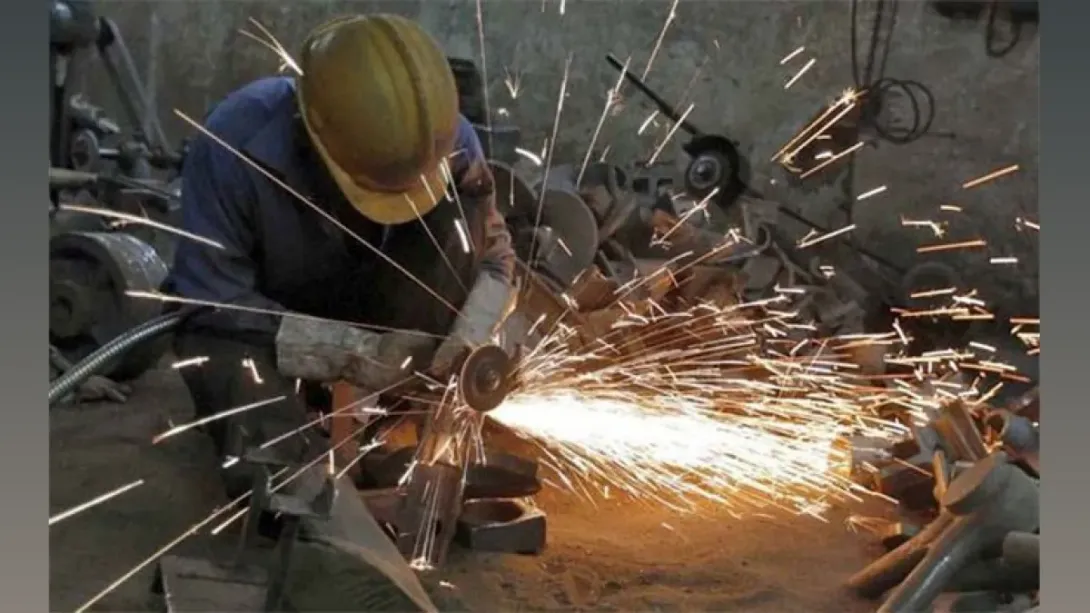
India’s Directorate General of Training has joined hands with Bajaj Auto to strengthen skill development initiatives in the automotive manufacturing sector. The collaboration aims to equip young professionals with industry-relevant technical capabilities through specialized training programs. By combining government-led vocational education frameworks with corporate manufacturing expertise, the partnership seeks to address the growing demand for skilled labor in India’s expanding automobile industry. Analysts believe such collaborations can play a pivotal role in bridging the skill gap, enhancing employability, and supporting the country’s broader manufacturing ambitions as automotive technology continues to evolve rapidly.
Strategic Collaboration for Workforce Development
The Directorate General of Training (DGT), operating under India’s Ministry of Skill Development and Entrepreneurship, has entered into a collaboration with Bajaj Auto to advance technical training in automotive manufacturing.
The partnership focuses on providing structured training programs designed to prepare students and trainees for modern manufacturing environments. With the automotive industry increasingly adopting advanced production technologies, the initiative aims to ensure that the workforce is equipped with the practical and technical skills needed to meet industry demands.
Government officials and industry leaders have emphasized that such partnerships represent a crucial step toward strengthening India’s vocational education ecosystem.
Addressing the Skill Gap in Manufacturing
India’s manufacturing sector continues to expand, driven by rising domestic demand, export opportunities, and government initiatives aimed at boosting industrial production. However, the industry has long faced challenges related to workforce readiness and skill development.
Automotive manufacturing, in particular, requires a diverse range of competencies, including mechanical engineering expertise, electronics integration, quality control, and advanced production techniques.
By collaborating with Bajaj Auto, the Directorate General of Training seeks to align vocational training programs more closely with real-world industrial requirements. The partnership is expected to help trainees develop hands-on experience and practical knowledge essential for employment in the automotive sector.
Industry Participation in Vocational Education
Corporate participation has increasingly become an important component of India’s skill development strategy. Companies bring valuable insights into emerging technologies, production practices, and operational standards.
Through its involvement in training initiatives, Bajaj Auto can contribute technical expertise and industry knowledge that helps shape curriculum design and training methodologies. Such engagement ensures that training programs remain relevant to the evolving needs of the manufacturing industry.
Industry experts suggest that collaboration between public institutions and private enterprises can significantly improve the quality and effectiveness of vocational training.
Preparing the Workforce for Technological Transformation
The automotive sector is undergoing rapid transformation, driven by advancements in automation, digital manufacturing systems, and the transition toward electric mobility. These developments require workers who possess not only traditional mechanical skills but also an understanding of electronics, software integration, and modern production technologies.
Skill development programs introduced through the DGT–Bajaj Auto partnership are expected to reflect these technological shifts. By preparing trainees for next-generation manufacturing environments, the initiative aims to strengthen India’s competitiveness in the global automotive supply chain.
Long-Term Implications for India’s Manufacturing Vision
India has set ambitious goals to expand its manufacturing capabilities and increase the sector’s contribution to the national economy. Achieving these objectives will require a skilled workforce capable of supporting complex industrial operations.
Partnerships between government training bodies and leading manufacturers play a crucial role in building this talent pipeline. As companies like Bajaj Auto contribute their expertise to training programs, India’s workforce development framework becomes better aligned with global industry standards.
In the long run, such initiatives are expected to enhance employability, improve productivity, and reinforce the country’s position as a major hub for automotive manufacturing and industrial innovation.
Comments