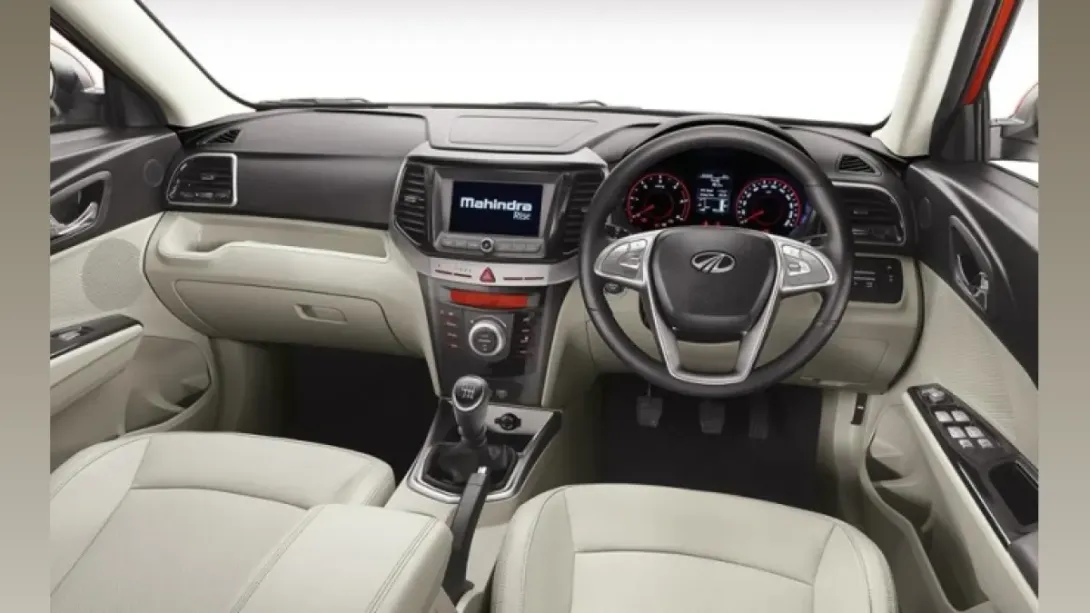
Mahindra & Mahindra recorded an 18% year-on-year increase in vehicle sales in February 2026, reinforcing its strong position in India’s fast-growing utility vehicle market. The growth was driven primarily by sustained demand for SUVs and steady performance in the commercial vehicle segment. The company’s expanding product portfolio, improved production capacity, and robust rural and semi-urban traction contributed to the uptick. February’s numbers reflect broader resilience in the domestic automotive industry, supported by infrastructure activity and aspirational consumption. Analysts view the performance as a sign of structural demand strength rather than a short-term spike.
Strong February Performance Signals Momentum
Mahindra & Mahindra reported an 18% increase in total auto sales in February 2026 compared with the same period last year, underscoring sustained consumer appetite for its vehicles.
The company’s utility vehicle portfolio remained the principal growth driver, with strong booking momentum across flagship models. Higher dispatches to dealers, coupled with improved supply chain efficiency, enabled Mahindra to meet pent-up demand more effectively than in previous quarters.
The February performance places the automaker among the stronger performers in India’s passenger and commercial vehicle segments.
SUVs Continue to Anchor Growth
Sport utility vehicles remain central to Mahindra’s growth strategy. Consumer preferences in India have steadily shifted toward SUVs, driven by lifestyle aspirations, enhanced safety features, and improved road infrastructure.
Mahindra’s established reputation in rugged and premium SUV categories has enabled it to capture a meaningful share of incremental demand. Analysts note that waiting periods for select models have narrowed, reflecting production ramp-ups and easing component shortages.
The SUV-led momentum also supports higher average realization per vehicle, strengthening revenue growth alongside volume expansion.
Commercial Vehicles Add Stability
Beyond passenger vehicles, Mahindra’s commercial vehicle segment contributed to February’s performance. Demand in this category has been buoyed by infrastructure spending, rural transportation needs, and logistics expansion.
Industry experts observe that commercial vehicle sales often serve as a proxy for broader economic activity. Continued traction in this segment signals stable business sentiment and ongoing investment in goods movement.
Industry Landscape and Cost Dynamics
India’s automotive sector has benefited from improved semiconductor availability and greater production predictability. However, manufacturers continue to manage cost pressures stemming from raw materials and regulatory compliance requirements.
Competitive intensity has intensified, particularly in the mid-size SUV category. Automakers are investing heavily in product refreshes, technology integration, and marketing to differentiate offerings.
Mahindra’s February growth suggests effective alignment between product strategy and evolving consumer preferences.
Outlook for Fiscal Year-End
With the fiscal year nearing its conclusion, February’s double-digit growth provides a positive lead-in to March, traditionally a strong sales month due to year-end purchasing decisions.
Analysts anticipate that sustained demand for SUVs and stable rural sentiment could help Mahindra maintain its growth trajectory. However, macroeconomic variables — including fuel prices and interest rate trends — will remain key watchpoints.
For Mahindra & Mahindra, the 18% increase in February 2026 auto sales is more than a statistical milestone. It reflects a broader transformation within India’s automotive market — one increasingly defined by premiumization, infrastructure expansion, and resilient consumer confidence.
Comments