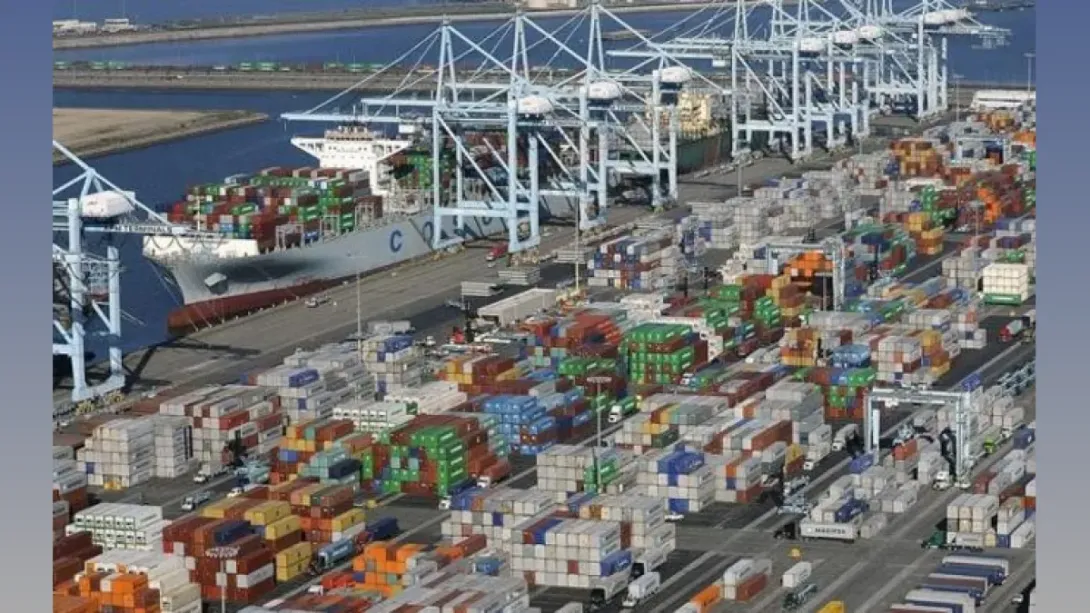
Kerala has taken a significant step toward strengthening its maritime and logistics ecosystem with the signing of a Rs. 2,000 crore memorandum of understanding linked to the Vizhinjam International Seaport. The agreement aims to develop an integrated logistics and industrial framework around the port, positioning Vizhinjam as a critical transshipment and trade hub on global shipping routes. The initiative reflects the state’s strategy to leverage port-led development, attract private capital, and generate employment, while enhancing supply-chain efficiency and boosting Kerala’s role in international maritime commerce.
Strategic MoU to Anchor Port-Led Growth
The Rs. 2,000 crore MoU outlines plans to build logistics parks, warehousing facilities, and allied infrastructure in the Vizhinjam region. Officials said the agreement aligns with Kerala’s broader objective of creating a modern, multimodal logistics ecosystem anchored by the deepwater port. By clustering value-added services near the seaport, the state aims to reduce turnaround times and improve cargo handling efficiency.
Vizhinjam’s Growing Importance in Global Trade
Vizhinjam’s natural depth and proximity to major east–west shipping lanes have made it one of India’s most strategically located ports. As operations scale up, the port is expected to attract transshipment traffic that currently moves through foreign hubs. The logistics plan is designed to complement port operations, enabling seamless movement of containers and bulk cargo across road, rail, and sea networks.
Investment, Employment, and Economic Impact
The proposed investments, denominated in Rs., are expected to be rolled out in phases, with private participation playing a central role. State officials estimate that the project could generate substantial direct and indirect employment while stimulating ancillary industries such as transport, cold storage, and manufacturing. Economists view the initiative as a catalyst for regional development, particularly in southern Kerala.
Long-Term Outlook and Policy Signal
Beyond immediate economic gains, the MoU sends a strong policy signal about Kerala’s intent to compete in port-led industrialization. Analysts note that successful execution will depend on timely clearances, infrastructure connectivity, and coordination between stakeholders. If implemented effectively, the Vizhinjam logistics plan could reshape the state’s trade profile and reinforce India’s position in global maritime supply chains.
Comments