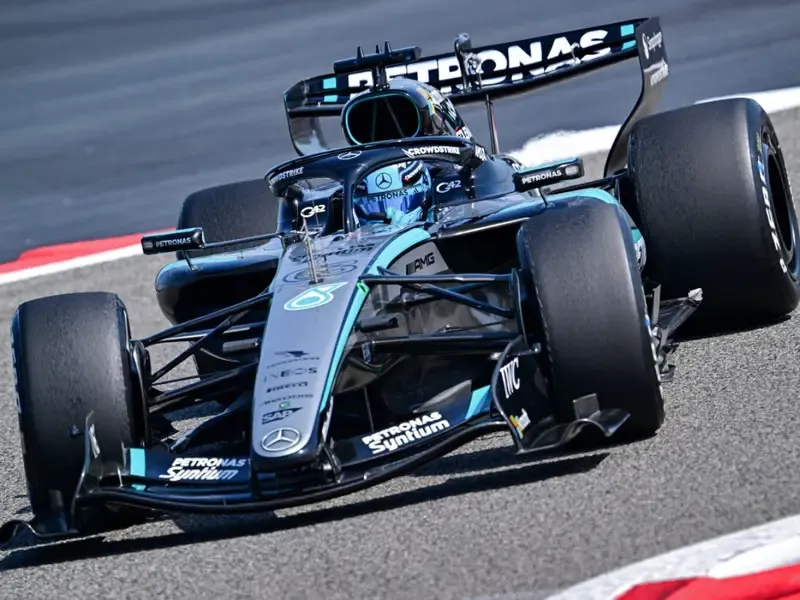
Toto Wolff, the influential head of Mercedes’ Formula One program, has publicly addressed growing debate surrounding engine compression ratios, a topic that has stirred technical and regulatory discussion across the paddock. While rival teams and analysts have speculated about potential performance advantages, Wolff emphasized regulatory compliance and engineering transparency. The episode underscores the razor-thin margins in elite motorsport, where incremental gains can provoke outsized controversy. Beyond racing, the issue highlights how advanced engineering, governance, and reputational risk intersect in a multibillion-rupee global sporting enterprise.
Context Behind the Compression Ratio Debate
Formula One’s hybrid power units operate under some of the most tightly regulated technical frameworks in global sport. Recent speculation around compression ratios—an engineering variable that influences combustion efficiency and power delivery—has drawn attention to whether teams are pushing regulatory boundaries. Mercedes, long regarded as a benchmark in power unit innovation, found itself at the center of this debate.
Wolff’s Response: Compliance Over Confrontation
Addressing the issue, Wolff dismissed suggestions of impropriety, reiterating that Mercedes’ engineering philosophy is rooted in strict adherence to Fédération Internationale de l’Automobile regulations. He noted that innovation within defined limits is not only permitted but essential to Formula One’s competitive ecosystem. According to Wolff, scrutiny is an inevitable byproduct of sustained success.
Engineering Margins and Competitive Pressure
Compression ratios may sound esoteric, but in modern Formula One, marginal efficiency gains can translate into decisive on-track advantages. Teams invest hundreds of crores of rupees annually in research and development, making technical interpretation as critical as driver skill. Such investments also raise the stakes for governance and transparency.
Broader Implications for the Sport
The episode reflects Formula One’s evolving challenge: balancing innovation with regulatory clarity. As power units become increasingly complex and costly, controversies like this are likely to persist. For Mercedes, the focus remains unchanged—performance through precision, and credibility through compliance.
Comments