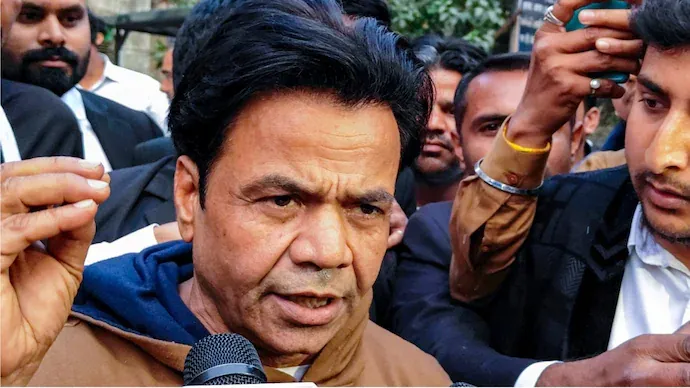
Indian film actor Rajpal Yadav, widely known for his comic performances on the big screen, has once again found himself in legal turmoil. A Delhi court sentenced the actor to jail in connection with a long-running financial dispute involving unpaid loans and breach of trust. The case, rooted in a failed film production venture, underscores the financial risks inherent in the entertainment industry and the legal accountability that accompanies commercial transactions. The ruling not only impacts Yadav’s personal and professional standing but also serves as a cautionary tale for investors and artists navigating India’s volatile film financing ecosystem.
Legal Setback for Rajpal Yadav
Rajpal Yadav, a prominent figure in Hindi cinema celebrated for his distinctive comic timing, has been sentenced to imprisonment following a court verdict in a financial misconduct case. The judgment stems from a complaint related to an unpaid loan tied to a film production project that failed to materialize as planned.
According to court findings, Yadav and his associates had secured funds for a film venture but allegedly defaulted on repayment obligations. The complainant pursued legal recourse after repeated attempts to recover the outstanding dues proved unsuccessful. The court ultimately ruled that the actor had violated financial commitments, resulting in a custodial sentence.
The Financial Dispute Explained
The origins of the dispute trace back to a production venture undertaken by Yadav’s company. Funds amounting to several crores were reportedly borrowed to finance a film project. However, delays and financial setbacks led to mounting liabilities. When repayments were not honored, legal notices were issued.
The case progressed through multiple hearings over the years. Despite opportunities to settle the dues, the court determined that the repayment terms had not been fulfilled within the stipulated time frame. The judicial ruling emphasized that financial agreements—particularly those formalized through promissory instruments—carry binding legal consequences.
From a financial governance perspective, the case highlights the importance of structured borrowing, risk mitigation, and transparent accounting practices in the entertainment industry, where informal funding arrangements are still prevalent.
Impact on Career and Reputation
Yadav’s sentencing has significant implications for his professional trajectory. With a career spanning decades and appearances in numerous commercially successful films, he has cultivated a recognizable brand in Bollywood. Legal complications of this magnitude, however, can disrupt ongoing projects, endorsement agreements, and production commitments.
In India’s entertainment ecosystem, reputation capital often translates directly into commercial viability. Producers and financiers tend to exercise caution when associating with individuals entangled in legal controversies. While the final duration and terms of imprisonment remain subject to procedural developments, the reputational cost is immediate.
Broader Lessons for the Film Industry
The case serves as a broader reminder of the financial vulnerabilities embedded within film production. Movie financing in India frequently relies on private lenders, informal networks, and high-risk capital. When projects falter, repayment disputes can escalate into criminal litigation.
Industry analysts note that stronger contractual enforcement mechanisms, escrow safeguards, and institutional financing channels could mitigate such disputes. As Bollywood continues to professionalize, greater regulatory compliance and financial transparency will likely become central to sustainable growth.
Legal Accountability in Commercial Ventures
At its core, the ruling reinforces a fundamental principle: celebrity status does not exempt individuals from contractual obligations. Courts have consistently underscored that financial misconduct, including loan default and cheque dishonor, invites strict legal scrutiny.
For investors and entrepreneurs alike, the message is clear. Due diligence, documented agreements, and prudent financial management are not optional safeguards—they are essential pillars of commercial integrity.
As Rajpal Yadav confronts the consequences of this verdict, the episode stands as a cautionary chapter in the intersection of fame, finance, and legal responsibility.
Comments