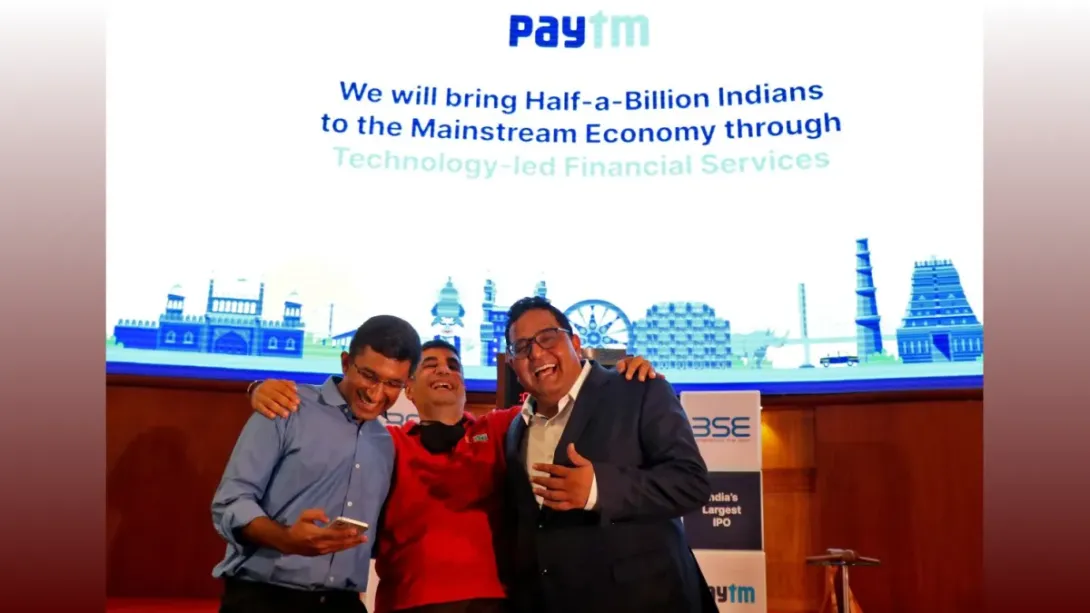
The ownership structure of Paytm’s founder has come under renewed focus, with market participants interpreting it as a signal of long-term commitment at a time when the fintech major faces heightened regulatory and competitive pressures. Founder shareholding remains a closely watched indicator of strategic intent, governance stability and alignment with minority investors. In Paytm’s case, the current ownership profile suggests a continued personal stake in the company’s future, even as the business navigates operational recalibration and profitability challenges. The discussion highlights how promoter commitment can influence market confidence in new-age listed companies.
Founder Ownership Under the Market Lens
In listed technology companies, promoter shareholding is often viewed as a barometer of confidence in the business. For Paytm, founder ownership has gained attention as investors seek reassurance on leadership continuity and long-term vision.
Unlike traditional promoter-led firms, many digital-first companies have diluted founder stakes over multiple funding rounds. Against this backdrop, the extent to which Paytm’s founder retains ownership is being read as an implicit vote of confidence in the company’s strategic direction.
Why Ownership Matters for Investor Confidence
Founder skin in the game is widely regarded as a positive governance signal, particularly during periods of transition. It suggests alignment between management decisions and shareholder interests, reducing concerns around short-termism.
For Paytm, which is working to recalibrate its business model amid regulatory changes and tighter margins, stable founder ownership can provide strategic consistency. Investors often view such commitment as essential for executing long-term turnaround or consolidation strategies.
Balancing Control and Capital Market Expectations
While meaningful ownership can reassure markets, it also raises questions about balance. Public investors typically favor strong governance frameworks that ensure accountability and independent oversight alongside founder influence.
Paytm’s evolving ownership dynamics reflect the broader challenge facing new-age companies: retaining entrepreneurial vision while adapting to the discipline of public markets. The founder’s role, both as a shareholder and a strategic leader, will remain central to this balance.
Broader Implications for New-Age Listings
The scrutiny of Paytm’s founder ownership underscores a wider shift in investor expectations. Markets are increasingly rewarding transparency, commitment and execution clarity over growth narratives alone.
As Paytm works to strengthen its financial fundamentals, sustained founder ownership may help anchor investor confidence. Ultimately, however, ownership signals must be reinforced by measurable progress toward profitability and regulatory compliance to translate into durable market trust.
Comments