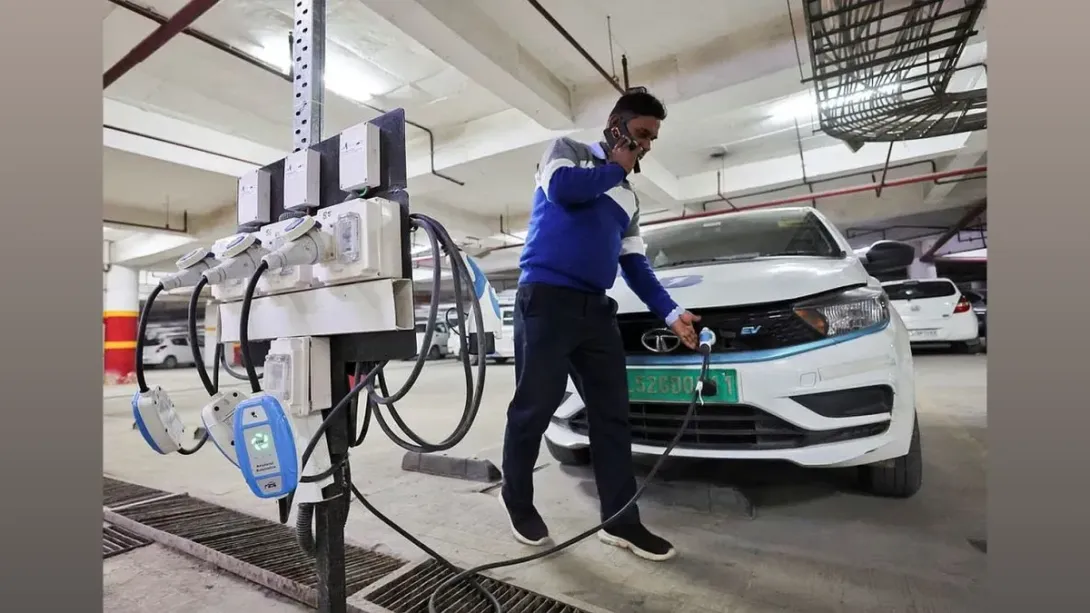
The transition to electric vehicles is critical for India to achieve its long-term net-zero emissions目标, Union Minister H.D. Kumaraswamy said, underscoring the government’s focus on clean mobility as a cornerstone of climate strategy. Electrification of transport, he noted, can significantly cut carbon emissions, reduce dependence on imported fossil fuels, and stimulate domestic manufacturing. Policymakers and industry leaders view EV adoption as both an environmental imperative and an economic opportunity, capable of catalyzing innovation across batteries, charging infrastructure, and supply chains. The remarks reinforce India’s intent to align industrial growth with sustainability targets.
EVs at the Heart of Climate Strategy
Electric mobility is emerging as a central pillar of India’s pathway to net-zero emissions. According to Kumaraswamy, the transport sector offers one of the largest opportunities for decarbonization, given its heavy reliance on fossil fuels. Accelerating EV adoption across passenger vehicles, two-wheelers, and commercial fleets could materially lower emissions while improving urban air quality.
Policy Support and Industrial Opportunity
Government initiatives aimed at promoting EVs are designed to spur both demand and domestic production. Incentives for manufacturers, support for battery localization, and investments in charging infrastructure are intended to create a self-sustaining ecosystem. Analysts say this approach positions India to reduce import dependence while building globally competitive clean-technology industries.
Infrastructure and Adoption Challenges
Despite momentum, challenges remain. Charging availability, battery costs, and consumer confidence continue to influence adoption rates. Kumaraswamy emphasized the need for coordinated action among central and state governments, utilities, and private players to expand charging networks and ensure reliable power supply. Addressing these bottlenecks will be crucial to scaling EV penetration.
Economic and Environmental Payoff
Beyond emissions reduction, EV adoption carries broader economic benefits. Lower fuel imports can strengthen the trade balance, while new manufacturing and services can generate employment. Industry experts believe that sustained policy clarity will unlock private investment across the EV value chain, from raw materials to recycling.
Outlook and Way Forward
India’s net-zero ambition hinges on decisive progress in clean mobility. As technology costs decline and infrastructure improves, EVs are expected to gain share across segments. Kumaraswamy’s remarks signal continued policy emphasis on electrification as a practical, high-impact lever in India’s climate and industrial strategy.
Conclusion:
Positioning electric vehicles at the center of its net-zero roadmap, India is betting on clean mobility to deliver environmental gains alongside economic growth. With supportive policy, infrastructure build-out, and industry participation, EV adoption could become a defining driver of the country’s sustainable future.
Comments