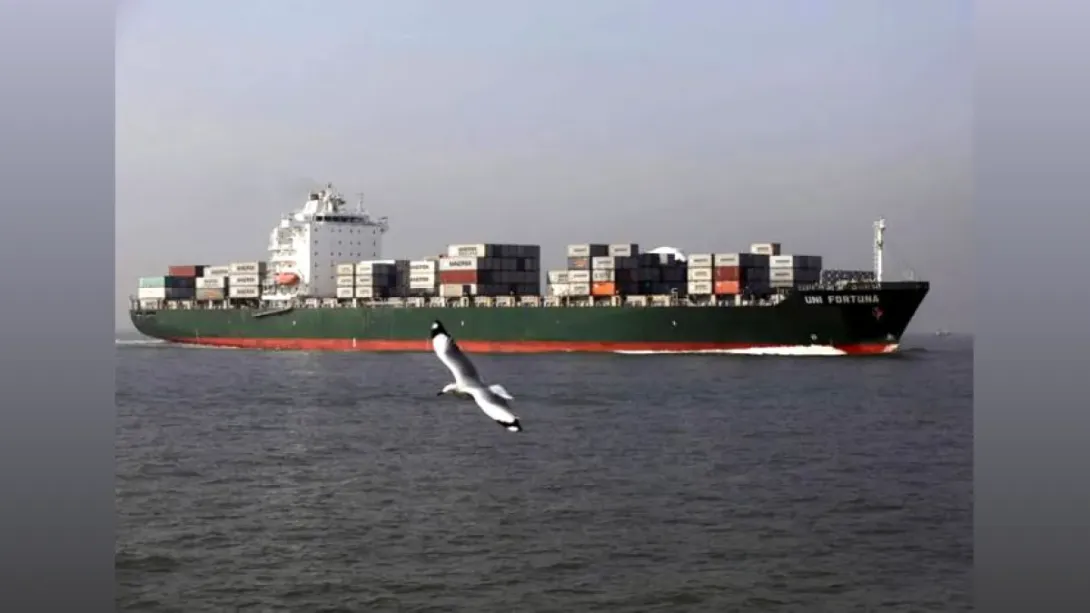
India’s maritime sector is poised for a sweeping transformation, with investments worth nearly Rs. 80 lakh crore projected over the coming decades. The planned capital infusion spans ports, shipping, inland waterways, logistics, and shipbuilding, positioning the sector as a cornerstone of India’s long-term economic strategy. Driven by policy reforms, private sector participation, and rising global trade integration, the maritime economy is emerging as a key growth engine. The scale of projected investment reflects both domestic ambition and international confidence, underscoring India’s intent to become a global maritime hub while strengthening supply chains and trade competitiveness.
A Strategic Push Toward a Blue Economy
India’s renewed focus on the maritime sector aligns with its broader vision of building a resilient blue economy. With a coastline stretching over 7,500 kilometers and strategic access to major global shipping routes, the country is leveraging its geographic advantage to unlock economic value across trade, energy, and logistics.
Policy frameworks now emphasize port-led development, multimodal connectivity, and efficiency-driven reforms aimed at reducing logistics costs and improving turnaround times.
Investment Across Ports, Shipping, and Logistics
The projected Rs. 80 lakh crore investment encompasses greenfield and brownfield port development, modernization of existing terminals, and expansion of shipping capacity. Inland waterways and coastal shipping are also expected to attract substantial capital as alternatives to road and rail freight.
Private investors, infrastructure funds, and global maritime players are increasingly participating through public-private partnerships, encouraged by regulatory clarity and long-term revenue visibility.
Economic Impact and Trade Competitiveness
From a macroeconomic perspective, enhanced maritime infrastructure is critical to India’s export ambitions. Efficient ports and integrated logistics networks reduce transaction costs, improve supply chain reliability, and support manufacturing-led growth.
Industry estimates suggest that logistics efficiency gains could significantly boost India’s competitiveness in global trade while generating large-scale employment across coastal regions.
Technology, Sustainability, and Future Readiness
The investment roadmap also prioritizes digitalization, automation, and sustainability. Smart ports, green shipping corridors, and alternative fuels are central to future planning, reflecting global shifts toward decarbonization.
These initiatives not only align India with international environmental standards but also future-proof the sector against regulatory and climate-related risks.
A Long-Term Growth Engine
The scale and ambition of the Rs. 80 lakh crore maritime investment underscore the sector’s strategic importance to India’s economic trajectory. If executed effectively, the maritime economy could emerge as a powerful catalyst for trade expansion, industrial growth, and global integration in the decades ahead.
Comments