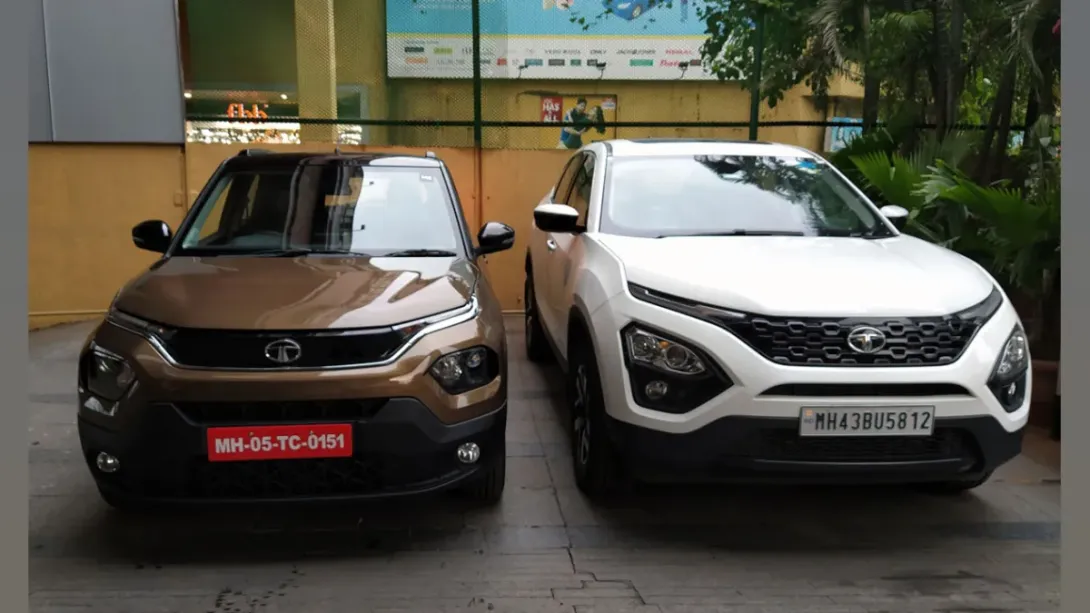
Tata Motors has reported double-digit sales growth in 2026, propelled primarily by robust demand for its SUV portfolio. The company’s strategic focus on SUVs, including both compact and premium models, has resonated with urban and semi-urban buyers seeking performance, style, and safety features. Positive consumer sentiment, backed by competitive financing and expanding dealership networks, further supported the momentum. Analysts note that Tata Motors’ SUV-led strategy not only enhances revenue but also strengthens brand positioning in India’s fast-growing utility vehicle segment. The growth underscores the company’s ability to capitalize on evolving preferences in India’s automotive market.
SUV Portfolio Driving Growth
Tata Motors’ SUV range has emerged as the primary growth engine, with models such as the Harrier, Safari, and Nexon seeing strong consumer uptake. The company’s focus on modern design, advanced safety features, and fuel-efficient powertrains has helped attract buyers across multiple segments.
By emphasizing both compact SUVs for urban markets and larger premium SUVs for aspirational buyers, Tata Motors has captured a wider consumer base, contributing to its double-digit sales increase.
Market Strategy and Dealer Expansion
Key to Tata Motors’ performance has been the expansion of its dealership and service network, improving accessibility and after-sales support. Coupled with aggressive marketing campaigns and attractive financing options, these measures have reinforced buyer confidence, helping convert interest into actual sales.
Analysts highlight that a well-structured distribution network is particularly critical in Tier 2 and Tier 3 cities, where SUV demand is rising steadily.
Consumer Preferences and Urban Demand
Rising consumer preference for SUVs reflects broader trends in India’s automotive market. Urban and semi-urban buyers increasingly value high ground clearance, safety, and in-car technology—features prominently offered in Tata Motors’ lineup.
This shift has also encouraged other manufacturers to introduce competitive SUV models, intensifying market competition and emphasizing the segment’s strategic importance.
Financial and Strategic Implications
The double-digit growth strengthens Tata Motors’ financial outlook, enhancing revenue, margins, and market share. By focusing on SUVs, the company not only taps into high-margin segments but also establishes a clear brand identity as a leading utility vehicle manufacturer.
Industry observers note that consistent product refreshes, technological upgrades, and market-aligned pricing will be critical for sustaining momentum.
Outlook for the Automotive Segment
With SUVs driving growth, Tata Motors is well-positioned to benefit from India’s expanding vehicle market and rising consumer aspirations. Analysts anticipate continued demand for both compact and premium SUVs, supported by urbanization, rising incomes, and financing availability.
If the company maintains its strategic focus and delivery efficiency, it is likely to consolidate its leadership in India’s SUV segment while reinforcing profitability and long-term market resilience.
Comments