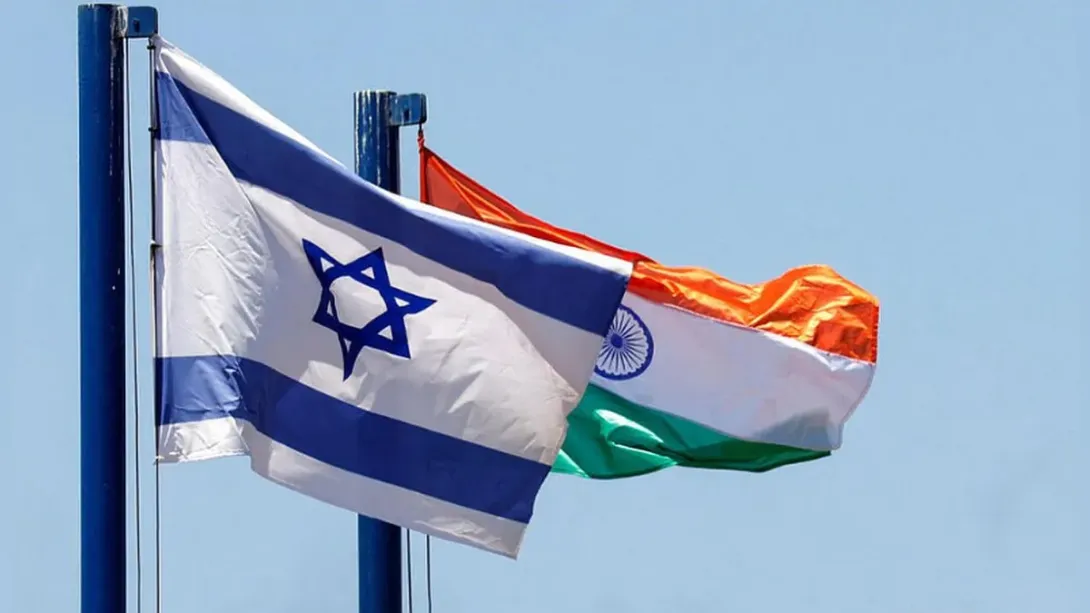
India and Israel are expected to resume negotiations on a long-pending Free Trade Agreement as early as next month, signaling renewed momentum in bilateral economic relations. The talks aim to deepen trade integration, reduce tariff barriers and unlock new opportunities across sectors such as technology, agriculture, defense and pharmaceuticals. With bilateral trade already showing steady growth, policymakers on both sides see the agreement as a strategic lever to expand market access and strengthen supply chains. Analysts say the renewed dialogue reflects shared economic interests and a broader push by India to diversify its trade partnerships amid global uncertainty.
Talks Set to Restart After Prolonged Pause
Officials familiar with the matter indicate that formal discussions on the India-Israel Free Trade Agreement are likely to resume next month, following an extended hiatus. The negotiations had slowed amid shifting global priorities and domestic policy considerations in both countries.
The renewed engagement underscores a mutual intent to conclude a comprehensive pact that addresses goods, services and investment flows.
Strategic Importance of the Proposed Agreement
A potential FTA is viewed as a cornerstone for elevating economic ties between the two nations. Israel is a key partner for India in areas such as innovation, defense technology and water management, while India offers a vast consumer market and manufacturing base.
By lowering tariffs and easing regulatory barriers, the agreement could significantly enhance bilateral trade volumes and encourage cross-border investments.
Key Sectors in Focus
Negotiators are expected to focus on sectors where complementarities are strongest. These include pharmaceuticals, chemicals, agriculture, diamonds, and high-technology services. Enhanced cooperation in research-driven industries and start-ups is also likely to feature prominently in the discussions.
Trade experts note that services and intellectual property rights could emerge as complex but crucial elements of the talks.
Broader Trade Policy Context
The resumption of talks with Israel aligns with India’s broader strategy to pursue selective trade agreements that support export growth and supply-chain resilience. In recent years, New Delhi has adopted a more calibrated approach to trade negotiations, prioritizing strategic and economic alignment.
For Israel, the agreement would deepen its economic footprint in Asia and strengthen ties with one of the world’s fastest-growing major economies.
Outlook and Next Steps
While optimism surrounds the expected restart of negotiations, analysts caution that the path to a final agreement will require careful balancing of domestic interests on both sides. Still, the renewed dialogue marks a constructive step forward.
Comments