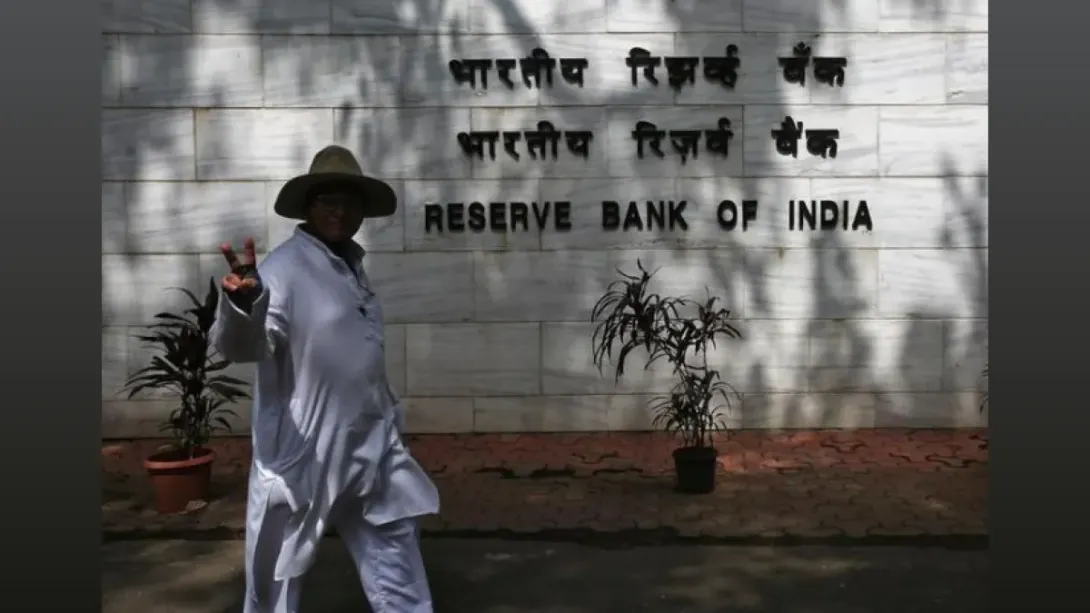
The Reserve Bank of India has taken fresh steps to improve system liquidity by announcing open market operations and USD/INR swap transactions, signaling a proactive approach to managing monetary conditions. The measures are aimed at ensuring adequate rupee liquidity amid evolving market dynamics and seasonal cash pressures. By deploying both bond purchases and forex swap tools, the central bank is seeking to maintain orderly market functioning without altering policy rates. The move reflects RBI’s calibrated strategy to balance growth support with financial stability, particularly as global monetary conditions remain uncertain.
Open Market Operations to Inject Rupee Liquidity
The RBI has announced open market operation purchases of government securities to infuse durable liquidity into the banking system. Such operations are designed to ease funding conditions for banks and support credit flow to the broader economy.
Market participants view OMO purchases as a signal that the central bank is attentive to tightening liquidity conditions and is prepared to act decisively to prevent disruptions in money markets.
USD/INR Swap as a Complementary Tool
Alongside OMOs, the RBI has opted to conduct USD/INR swap transactions, a mechanism that allows it to inject rupee liquidity while absorbing foreign currency. The tool helps manage short-term liquidity mismatches and supports currency market stability.
By using swaps, the RBI can address liquidity needs without permanently expanding its balance sheet, offering greater operational flexibility.
Rationale Behind the Liquidity Measures
The twin measures come at a time when liquidity conditions have tightened due to factors such as government cash balances, tax outflows, and global financial volatility. Adequate liquidity is essential for smooth transmission of monetary policy and for maintaining stable interest rates in the overnight and short-term funding markets.
The RBI’s intervention aims to ensure that temporary liquidity pressures do not translate into broader financial stress.
Market Reaction and Policy Signaling
Bond markets have generally responded positively to the announcement, with yields easing on expectations of sustained liquidity support. The steps also reinforce the RBI’s stance of remaining data-dependent while using non-rate tools to manage conditions.
Analysts interpret the move as a continuation of the central bank’s preference for liquidity management over abrupt policy shifts.
Outlook for Monetary Conditions
The RBI’s use of OMOs and USD/INR swaps highlights its evolving toolkit in navigating complex domestic and global conditions. While policy rates remain unchanged, liquidity management will likely remain an active lever in the coming months.
For investors and businesses, the measures offer reassurance that the central bank is committed to maintaining financial stability and supporting economic activity through targeted and flexible interventions.
Comments