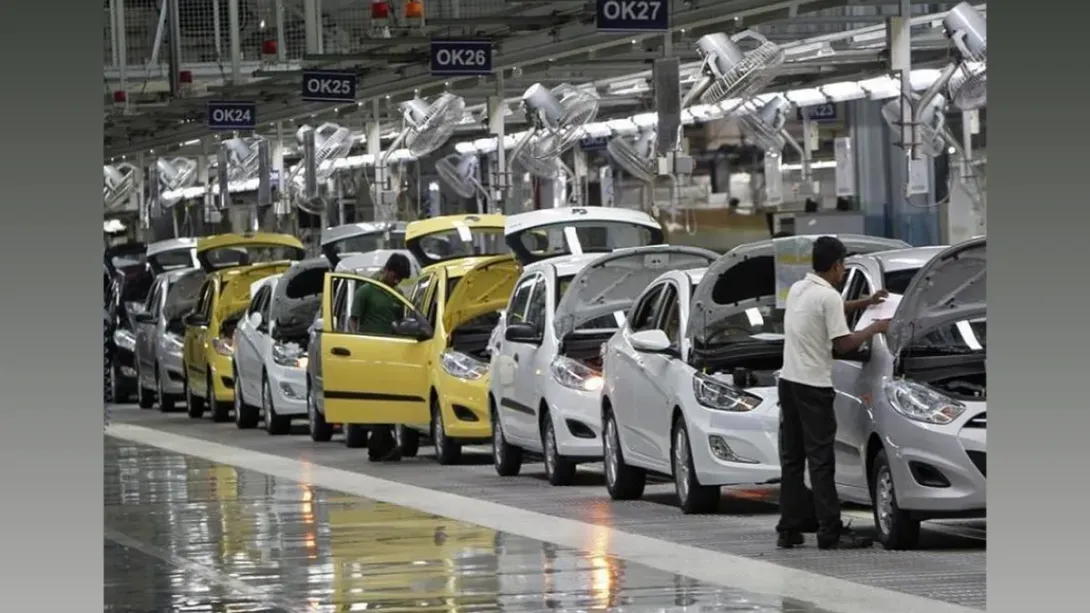
India’s automobile retail market sustained its upward trajectory in November, buoyed by festive-season demand, improved consumer sentiment, and continued traction across key vehicle categories. Passenger vehicles, two-wheelers, and commercial fleets all contributed to the sector’s resilience, supported by easing supply constraints and stronger rural consumption. While some segments moderated after the festive surge, the industry overall displayed consistent momentum, underscoring the sector’s role as a bellwether for economic activity. As dealerships report stable footfall and robust bookings, industry analysts remain cautiously optimistic about retail performance heading into the final quarter, despite lingering risks tied to financing costs and inventory cycles.
Festive Demand Drives Retail Performance
India’s auto retailers reported steady sales in November as the momentum from the festive season carried into the month. Dealers across major markets noted that customer enquiries remained strong, benefiting from Diwali-season promotions and improved delivery timelines. Renewed consumer confidence, coupled with expanding credit availability, supported purchase decisions across urban and semi-urban regions.
While the peak festive rush tapered slightly, retail volumes remained higher than earlier months, indicating that buyer sentiment continues to hold firm. Industry executives observed that promotional offers, extended warranty packages, and finance-linked benefits further stimulated showroom conversions.
Passenger Vehicle Sales Maintain Stability
The passenger vehicle (PV) segment recorded a stable month, supported by the availability of popular models and sustained demand for SUVs. Strong product pipelines, including new launches in premium and mid-range categories, helped dealerships maintain balanced inventory levels.
However, analysts caution that elevated inventory days may pressure dealers if demand cools in coming weeks. With a growing preference for feature-rich vehicles, the PV segment remains competitive, pushing manufacturers to refine pricing strategies and enhance customer engagement.
Two-Wheeler Market Gains From Rural Recovery
Two-wheeler sales displayed healthy momentum, reflecting improved rural sentiment and a gradual recovery in agricultural-income cycles. Motorcycles led the charge, particularly in entry-level and commuter categories, which benefited from stable pricing and attractive financing schemes.
Dealers reported that festive buys were followed by steady replacement and first-time purchases. Urban centres also saw an uptick in demand for scooters, driven by daily-use convenience and expanding last-mile mobility trends.
Commercial Vehicles Show Resilience
The commercial vehicle (CV) category demonstrated resilience, supported by ongoing infrastructure projects, higher freight movement, and pre-budget capital expenditure by logistics operators. Light commercial vehicles performed particularly well, benefiting from e-commerce demand and improved fleet-utilization rates.
Despite lingering caution around interest-rate sensitivity and cost of ownership, fleet operators remained active buyers as transport activity stayed elevated across industrial corridors.
Electric Vehicles Continue Expanding Their Footprint
Electric vehicle (EV) adoption grew steadily, driven by rising awareness, supportive state incentives, and expanding charging infrastructure. Two-wheeler EVs gained traction due to lower operating costs, while electric passenger vehicles continued their gradual penetration into urban markets.
Industry insiders expect the EV segment to strengthen further as price parity approaches and new models enter the market in 2025.
Outlook: Cautious Optimism Amid Market Shifts
As the auto retail sector moves into the final quarter of the financial year, stakeholders maintain a cautiously optimistic view. Sustained economic activity, growing financing options, and an improving supply chain provide a favourable backdrop for continued growth.
However, potential headwinds — including persistent interest-rate pressures, fluctuating input costs, and high inventory in some PV sub-segments — could temper future momentum. Retailers are therefore adjusting strategies to balance stock levels and align offerings with evolving demand patterns.
Comments