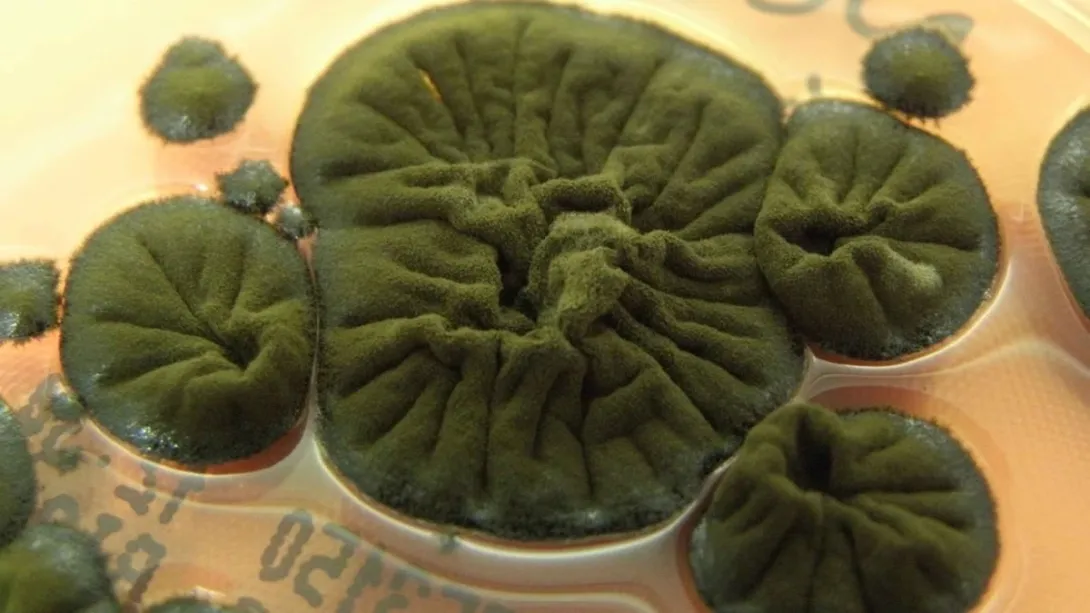
Scientists have identified a melanin-producing fungus thriving in the highly radioactive environment of the Chernobyl nuclear plant, providing a remarkable example of extremophile adaptation. This fungus leverages melanin to absorb and convert ionizing radiation into chemical energy, effectively harnessing radioactive energy to sustain its growth. The discovery has profound implications for bioremediation, space exploration, and understanding radiation-resistant life forms. By studying these fungi, researchers aim to develop innovative radiation-shielding materials and explore the potential for bioengineered organisms capable of surviving in extreme environments, from nuclear disaster zones to outer space habitats.
Survival in Extreme Radiation
- Radiotrophic Mechanism: The fungus exhibits radiotrophic behavior, converting gamma radiation into usable energy through melanin pigments, a process analogous to photosynthesis in plants.
- Environmental Adaptation: Found in areas with extremely high radiation levels, this organism demonstrates how life can adapt and thrive in conditions lethal to most forms of life.
- Potential Models: Studying these fungi could inform strategies for protecting biological systems from radiation exposure.
Implications for Science and Industry
- Bioremediation: Melanin-producing fungi could be employed in cleaning up radioactive waste and stabilizing contaminated environments.
- Space Exploration: The fungi’s resilience suggests applications in space travel and extraterrestrial habitats, where radiation exposure is a major challenge.
- Material Science: Insights into melanin’s protective properties may inspire new radiation-resistant materials for medical, industrial, and aerospace uses.
Expert Commentary
- Dr. Helena Petrova, Microbiologist: “The ability of these fungi to harness radiation for growth challenges our understanding of energy metabolism. They provide a unique window into extremophile survival strategies.”
- Broader Significance: This discovery enhances our knowledge of life’s adaptability and informs future research into synthetic biology and bioengineering for extreme conditions.
Future Research Directions
- Genetic Analysis: Scientists plan to sequence the genome of the fungus to understand the genetic basis of its radiation tolerance.
- Practical Applications: Collaborative research could lead to engineered organisms for radioactive waste management or radiation-shielded human habitats in space and hazardous environments.
- Understanding Life in Extremes: These fungi may serve as model organisms for studying the boundaries of life under extreme stress.
Comments