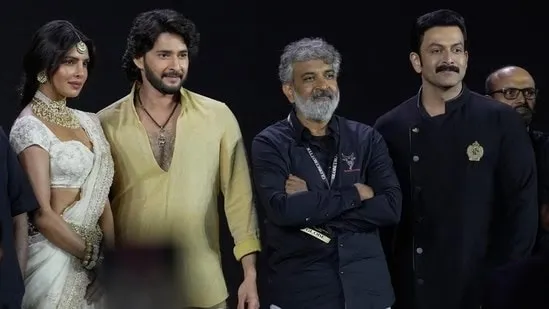
Acclaimed filmmaker SS Rajamouli has become the center of a growing controversy after an FIR was filed against him over alleged remarks about God during a recent event in Varanasi. The complaint, lodged by a local resident, accuses the director of hurting religious sentiments and making statements considered inappropriate by certain groups. The incident has sparked debate across the country, drawing attention to the ongoing tension between artistic expression and cultural sensitivity. As authorities begin their inquiry, the development raises broader questions about the limits of free speech, the interpretation of faith-based commentary, and the heightened scrutiny faced by public figures.
Complaint Filed Over Alleged Remarks
A formal police complaint has been registered against filmmaker SS Rajamouli following comments he reportedly made during a public program in Varanasi. According to the complainant, the director’s statement about God was offensive and amounted to an insult to religious beliefs. The FIR includes charges related to hurting religious sentiments and promoting disharmony—sections often invoked in cases involving sensitive cultural and spiritual subjects.
Officials have acknowledged that the matter is under preliminary investigation. Statements will be collected from witnesses present at the event, and video evidence is expected to play a key role in determining the legal trajectory of the case.
Public Reaction and Rising Debate
The controversy has triggered intense discussions, with opinions sharply divided. Supporters of Rajamouli argue that his comments were misinterpreted and taken out of context, maintaining that he has previously expressed deep respect for cultural and mythological narratives. Critics, however, believe the remarks crossed a line and demand accountability from influential figures whose words can reach millions.
Social and political observers note that issues involving religion often escalate quickly, particularly when public personalities are involved. The case has added yet another layer to the ongoing national conversation about freedom of expression and the responsibilities that accompany celebrity status.
Context: Sensitivity Surrounding Religious Commentary
India’s sociocultural landscape is deeply interwoven with religious identity, making discussions around faith inherently sensitive. Filmmakers, writers, and artists frequently navigate a fragile balance between creative liberty and public reception. Rajamouli, known for bringing mythological and historical themes to global audiences, has often emphasized nuanced storytelling rooted in tradition.
This latest controversy highlights the growing scrutiny on public discourse, especially in an era where digital platforms amplify reactions rapidly. Even brief comments made during live events can spark widespread discussions, legal action, and political interpretation within hours.
Legal Implications and Next Steps
Authorities will now review the complaint and examine available recordings to assess whether the filmmaker’s remarks constitute an offense under the law. Depending on the findings, Rajamouli may be asked to provide a formal statement or clarification.
Legal experts suggest that cases involving alleged religious insult often hinge on context, intention, and the interpretation of verbal expression. If the comments are deemed non-malicious or misrepresented, the FIR may not progress beyond the initial inquiry. Conversely, if officials determine that the statements violated legal provisions, further action could follow.
Impact on the Film Industry and Creative Community
The incident has resonated within the entertainment sector, where similar controversies have previously influenced filmmaking choices and public engagement strategies. Industry observers say such cases may encourage creators to exercise increased caution when addressing spiritual or cultural themes in public forums.
Yet, others argue that excessive self-censorship could limit artistic exploration and undermine India’s long-standing tradition of open philosophical dialogue. The outcome of this case may influence how public figures navigate personal expression in the future.
Comments