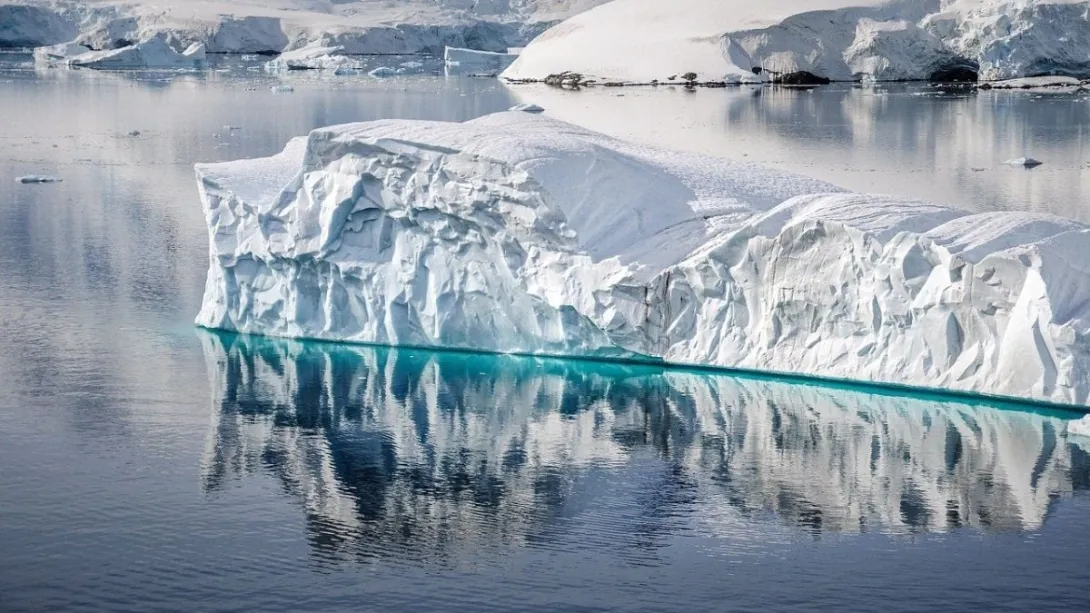
In a stark warning for the planet, climate scientists have revealed that Antarctica is nearing an irreversible tipping point, where rising global temperatures could permanently destabilize the continent’s ice sheets. The acceleration of ice melt threatens to raise global sea levels by several meters over the coming centuries, endangering coastal cities and ecosystems worldwide. New data indicates that continued greenhouse gas emissions and warming ocean currents are eroding Antarctica’s stability faster than previously anticipated. Experts emphasize that immediate, coordinated international action is crucial to mitigate this unfolding environmental catastrophe.
---
Antarctica’s Fragile Balance Under Threat
For decades, Antarctica has served as the Earth’s natural thermostat, reflecting solar radiation and regulating planetary temperatures. However, recent studies have shown alarming signs of accelerated ice loss due to the combined effects of atmospheric and oceanic warming. The West Antarctic Ice Sheet, in particular, is melting at an unprecedented pace, with certain glaciers — including the Thwaites and Pine Island glaciers — now showing signs of irreversible retreat.
Scientists caution that once this melting process crosses a critical threshold, no amount of emission reduction may reverse the collapse. This would set off a chain reaction leading to significant global sea level rise, altering coastlines, displacing millions, and reshaping economies dependent on maritime stability.
---
Scientific Evidence and Global Implications
The latest climate models reveal that Antarctica has warmed nearly three times faster than the global average over the past half-century. Ocean currents carrying warmer water beneath the ice shelves have intensified melting from below, while rising air temperatures compound surface melting. As a result, Antarctica is losing over 150 billion tons of ice annually, a figure that continues to climb each year.
If this trajectory continues, experts project a sea level rise of up to 3 meters by the end of this century — enough to submerge low-lying nations, flood major urban centers, and disrupt agricultural zones. The economic cost could reach trillions of dollars globally, with developing nations bearing the brunt of the impact.
---
The Role of Human Activity and Policy Failure
Human-induced climate change remains the primary catalyst behind Antarctica’s destabilization. The persistent reliance on fossil fuels, deforestation, and industrial emissions has pushed global temperatures beyond the 1.5°C safety threshold envisioned under the Paris Agreement. Despite international pledges, emission reduction targets remain insufficient, and global carbon output continues to rise.
Environmental policy experts warn that inaction now will limit future generations’ ability to respond. They advocate for a decisive global shift toward renewable energy, stricter carbon regulation, and large-scale reforestation initiatives to absorb atmospheric carbon dioxide.
---
A Call for Immediate Global Cooperation
Climate scientists stress that while the window for prevention is narrowing, it is not yet closed. Comprehensive cooperation between world powers, scientific institutions, and private industries could still slow the rate of Antarctic ice melt and buy crucial time for adaptation. Investments in green technology, sustainable infrastructure, and international carbon trading systems are central to this effort.
Furthermore, experts underscore the importance of public awareness and political accountability. Governments must prioritize climate adaptation policies — from coastal defense planning to relocation strategies — to minimize human and economic losses in the decades ahead.
---
Conclusion: The World at a Crossroads
The looming Antarctic tipping point is not merely a regional concern but a planetary emergency. What happens in the icy expanse of the South Pole will ripple across every continent, influencing global weather, food systems, and economic stability. Humanity now stands at a critical juncture: either act decisively to curb emissions and safeguard Earth’s most vulnerable ecosystems, or face irreversible consequences that will redefine life on the planet.
Antarctica’s silent warning carries an unmistakable message — the time for half-measures is over. The world must act, together, now.
Comments