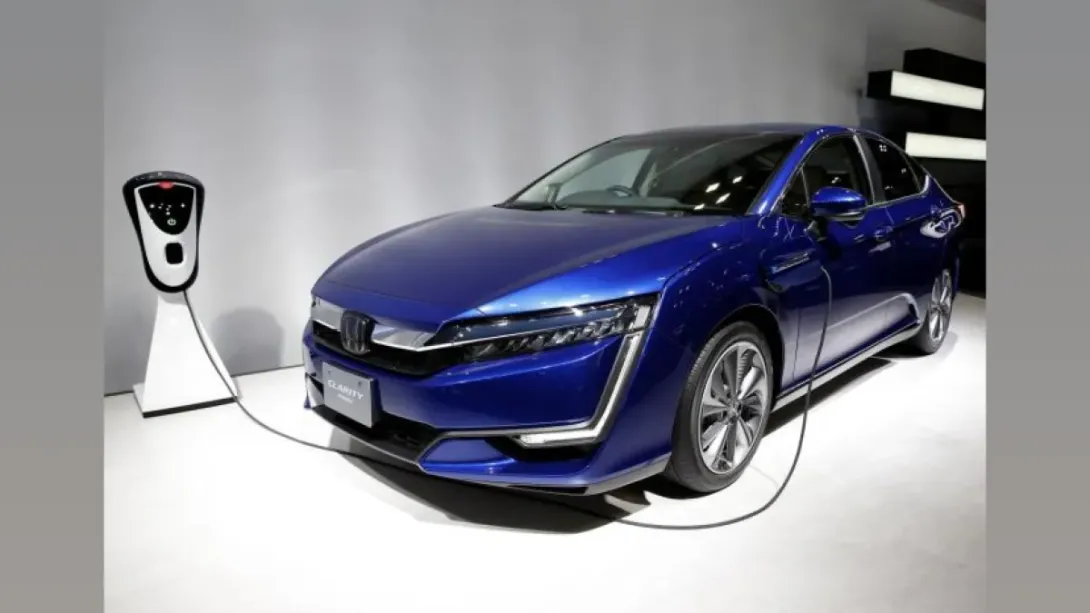
A new report by NITI Aayog outlines a roadmap for achieving net-zero carbon emissions in India’s transport sector by 2070, emphasizing sustainable mobility, clean energy adoption, and technological innovation. The study highlights critical measures including the transition to electric vehicles, development of low-carbon fuels, and integration of public transport systems with smart infrastructure. Policy interventions, regulatory reforms, and strategic investments are identified as essential to drive decarbonization without compromising economic growth. Analysts suggest that timely implementation could position India as a global leader in sustainable transportation while supporting climate commitments and long-term energy security.
Strategic Vision for Decarbonizing Transport
NITI Aayog’s report underscores that India’s transport sector, responsible for a significant share of national greenhouse gas emissions, must undergo transformative changes to meet climate goals. The roadmap envisions a phased transition to electric vehicles (EVs), biofuels, and hydrogen-powered transport while optimizing urban mobility and freight systems. By prioritizing cleaner energy sources and innovative technologies, India aims to reduce carbon intensity while supporting economic development in transport-dependent sectors.
Key Recommendations and Policy Measures
The report outlines comprehensive strategies to achieve net-zero transport emissions:
- Electrification of Vehicles: Accelerating adoption of EVs across personal, commercial, and public transport segments.
- Renewable Energy Integration: Expanding solar, wind, and green hydrogen for vehicle charging and fuel production.
- Public Transport Optimization: Promoting mass transit systems and non-motorized transport to reduce dependency on private vehicles.
- Infrastructure Investment: Developing charging networks, smart grids, and logistics hubs to support low-carbon mobility.
- Regulatory Reforms: Implementing emission standards, incentives, and carbon pricing mechanisms to drive adoption of clean technologies.
Analysts note that successful execution will require coordination between central and state authorities, private sector participation, and robust financing mechanisms.
Economic and Environmental Implications
Transitioning India’s transport sector to net-zero emissions presents both challenges and opportunities. While upfront investment requirements are substantial—estimated in the range of Rs. 10–12 lakh crore over several decades—the potential economic benefits include reduced fuel imports, job creation in clean technology sectors, and enhanced energy security. Environmentally, widespread adoption of EVs and low-carbon fuels could significantly reduce urban air pollution, improve public health outcomes, and contribute to India’s nationally determined contributions under the Paris Agreement.
Technological Innovation and Industry Role
The NITI Aayog report emphasizes the critical role of research, innovation, and industrial collaboration. Advancements in battery technology, hydrogen fuel cells, and smart logistics platforms are expected to drive efficiency gains. Public-private partnerships, venture capital investments in clean mobility startups, and incentives for domestic manufacturing are highlighted as key enablers. Industry stakeholders recognize that aligning business strategy with government policy will be crucial for scaling sustainable transport solutions.
Path Ahead and Strategic Outlook
Achieving net-zero transport emissions by 2070 is an ambitious target that requires long-term planning, regulatory rigor, and continuous technological evolution. Experts suggest that incremental adoption of EVs, strategic investment in alternative fuels, and the integration of digital transport solutions will be essential milestones. India’s proactive engagement in decarbonizing transport can set a global benchmark, enhancing competitiveness, attracting green investment, and fulfilling climate commitments while fostering economic growth.
Comments