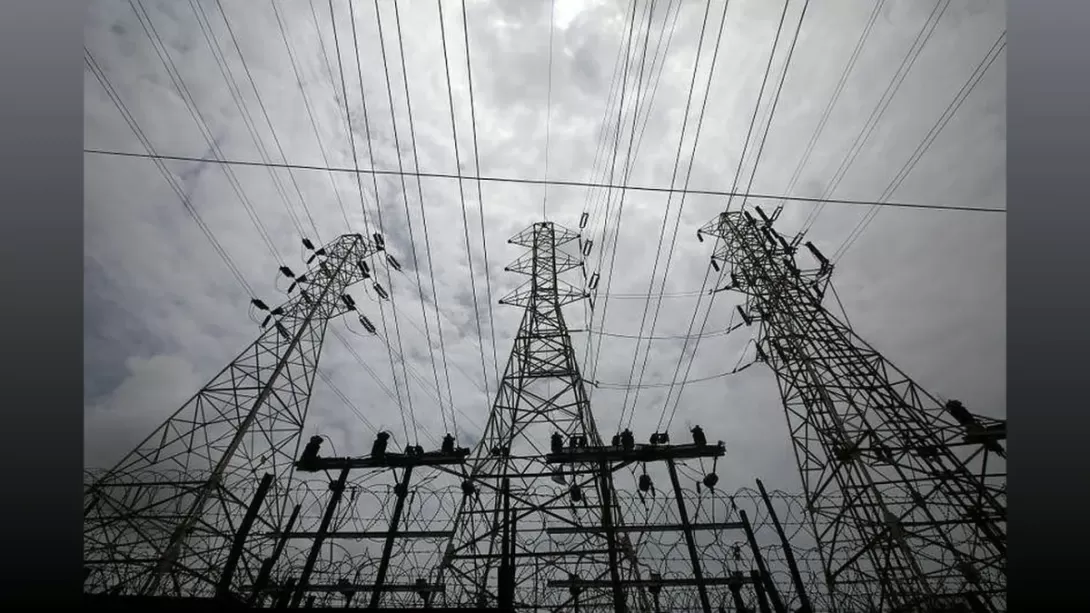
India’s largest under-construction hydroelectric project—the 2,000 MW Subansiri Lower Hydro Electric Project—has encountered fresh delays, with its completion now pushed to May 2026, extending an already protracted timeline by over a decade. The project, located on the Assam-Arunachal Pradesh border, also suffered minor damages to its spillway during the recent monsoon, although NHPC has assured there is no structural threat to the dam. Originally scheduled for commissioning in 2012, the project’s cost has ballooned from Rs. 6,285 crore to an estimated Rs. 26,075 crore. Despite the setbacks, NHPC maintains confidence in the project’s safety and eventual completion.
Minor Damages, No Structural Threat
Following heavy monsoon rains, the Subansiri hydroelectric facility sustained what NHPC described as “minor damages” to the spillway lip section, a component exposed to the elements. However, the core dam structure, standing 116 metres above the riverbed, remains unaffected. NHPC emphasized that these damages were neither unusual nor alarming and are common in hydro projects operating in high-silt, log-carrying river systems during monsoon seasons.
“Rolling boulders and wooden debris cause superficial wear on the upper surface of the spillway glacis and lip, but the dam's integrity is uncompromised,” the company said in a statement. Restoration work will commence post-monsoon as part of standard maintenance.
Project Delays Stretch to Over a Decade
The Subansiri project has experienced an extraordinary series of delays. Initially slated for commissioning in December 2012, it now carries a projected completion timeline of May 2026—marking a 14-year lag. While over 90 percent of the construction was completed by June 2023, remaining technical and environmental hurdles have led to repeated postponements.
The delays are attributed to a range of challenges including protests over environmental safety, legal hurdles, and logistical issues. Construction was entirely stalled between December 2011 and October 2019, primarily due to protests by local communities and civil society groups concerned about ecological and seismic risks.
Cost Escalation: From Rs. 6,285 Crore to Rs. 26,075 Crore
The financial implications of the delays are significant. The project’s estimated cost has quadrupled to Rs. 26,075.54 crore, up from its original budget of Rs. 6,285.33 crore in 2002. As per NHPC’s January 2020 estimate, the cost had already reached Rs. 20,000 crore—reflecting ongoing inflation, construction setbacks, and legal expenditures.
This level of cost escalation has wide-ranging implications for NHPC’s balance sheet, investor expectations, and tariff structures post-commissioning. Experts suggest that unless project delays are checked and governance strengthened, such escalations could set back the broader hydropower expansion in India.
Power Generation and Strategic Importance
Despite the setbacks, the Subansiri Lower Project remains a cornerstone of India’s renewable energy ambitions in the Northeast. Designed as a run-of-the-river scheme, it will house eight Francis turbines of 250 MW each and generate approximately 7,500 million units annually in a "90 percent dependable year."
Given its scale and output, the project is seen as vital for stabilizing the regional power grid, reducing dependence on fossil fuels, and promoting economic development across northeastern states.
Chronology of Missed Deadlines
The shifting timelines of the project underscore its troubled history:
- December 2002: Initial cost estimation at Rs. 6,285 crore.
- January 2005: Construction began following forest clearance.
- December 2011–October 2019: Construction halted amid public protests.
- December 2020: NHPC targets March 2022 for commissioning.
- March 2022: Assam government indicates partial commissioning by August 2022.
- June 2023: NHPC revises commissioning target to end of FY 2023–24.
- Current: Commissioning now delayed to May 2026.
Each postponement reflects the complexity of managing large-scale hydro projects in environmentally sensitive and politically contentious regions.
Looking Ahead: Between Resilience and Risk
While NHPC assures stakeholders of the project's structural soundness and eventual delivery, the Subansiri saga reflects deeper systemic challenges. From community resistance and regulatory ambiguity to climate variability and logistical hurdles, India’s hydro sector continues to grapple with multifaceted risks.
Still, the project’s eventual commissioning could prove pivotal—not just for regional energy needs, but as a test case for the future of India’s large-scale renewable infrastructure ambitions.
Comments